check
check
check

check
check
check
check
check

check

check
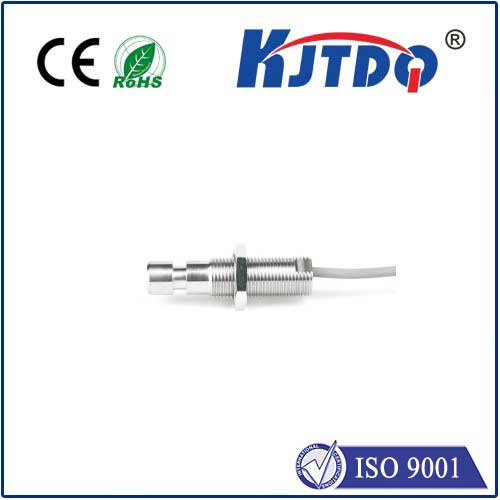
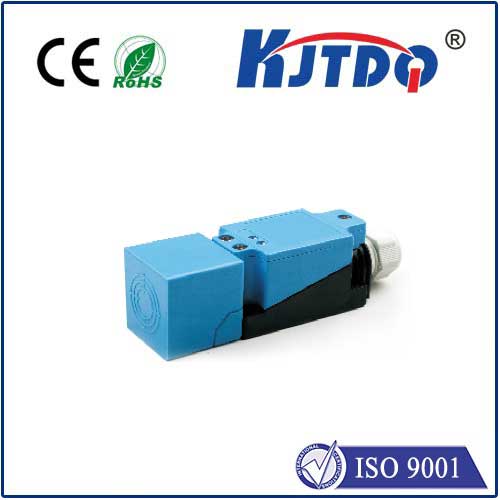
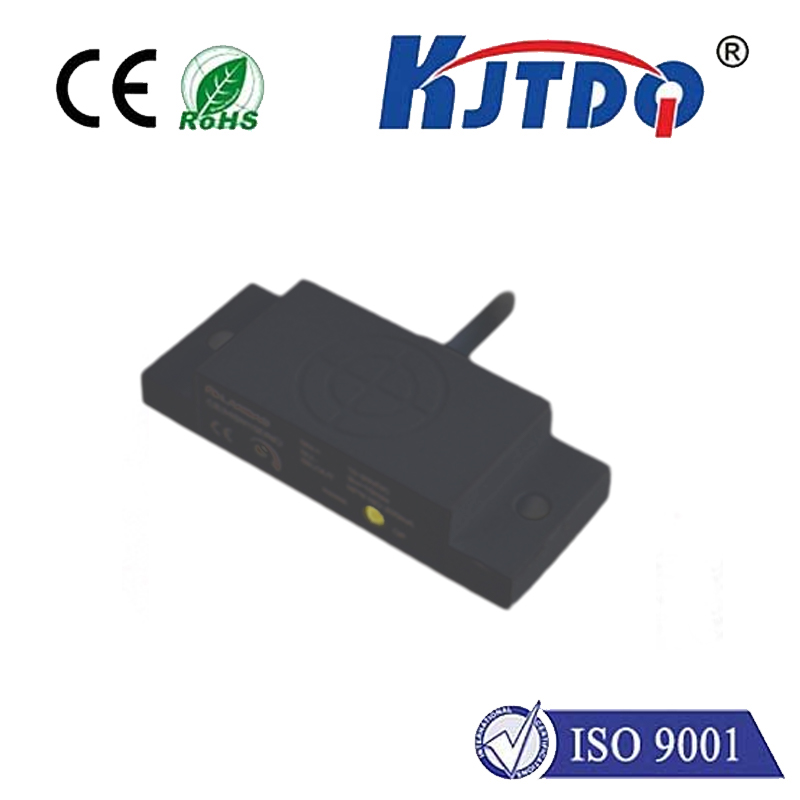
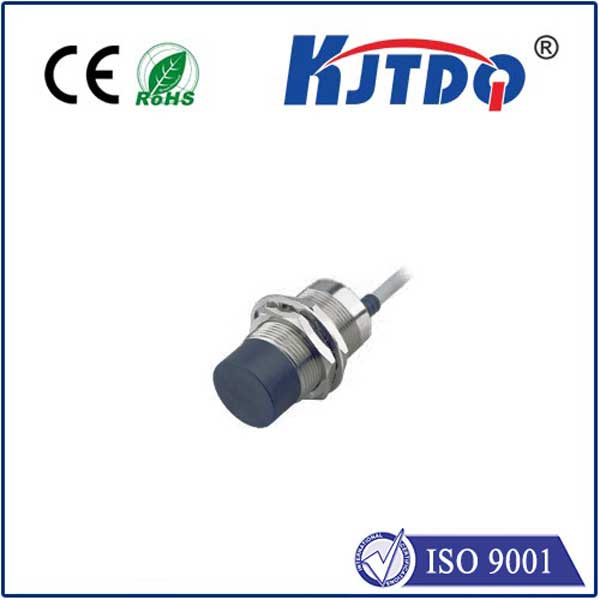
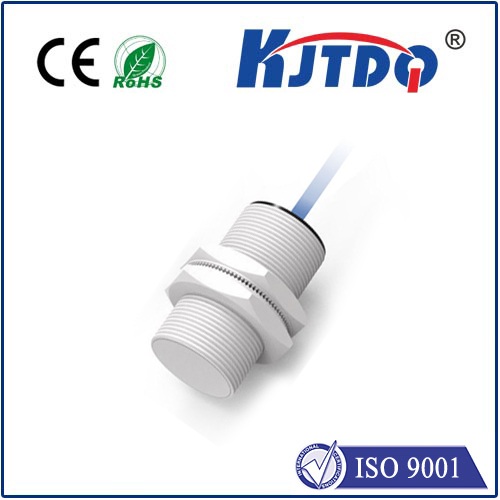
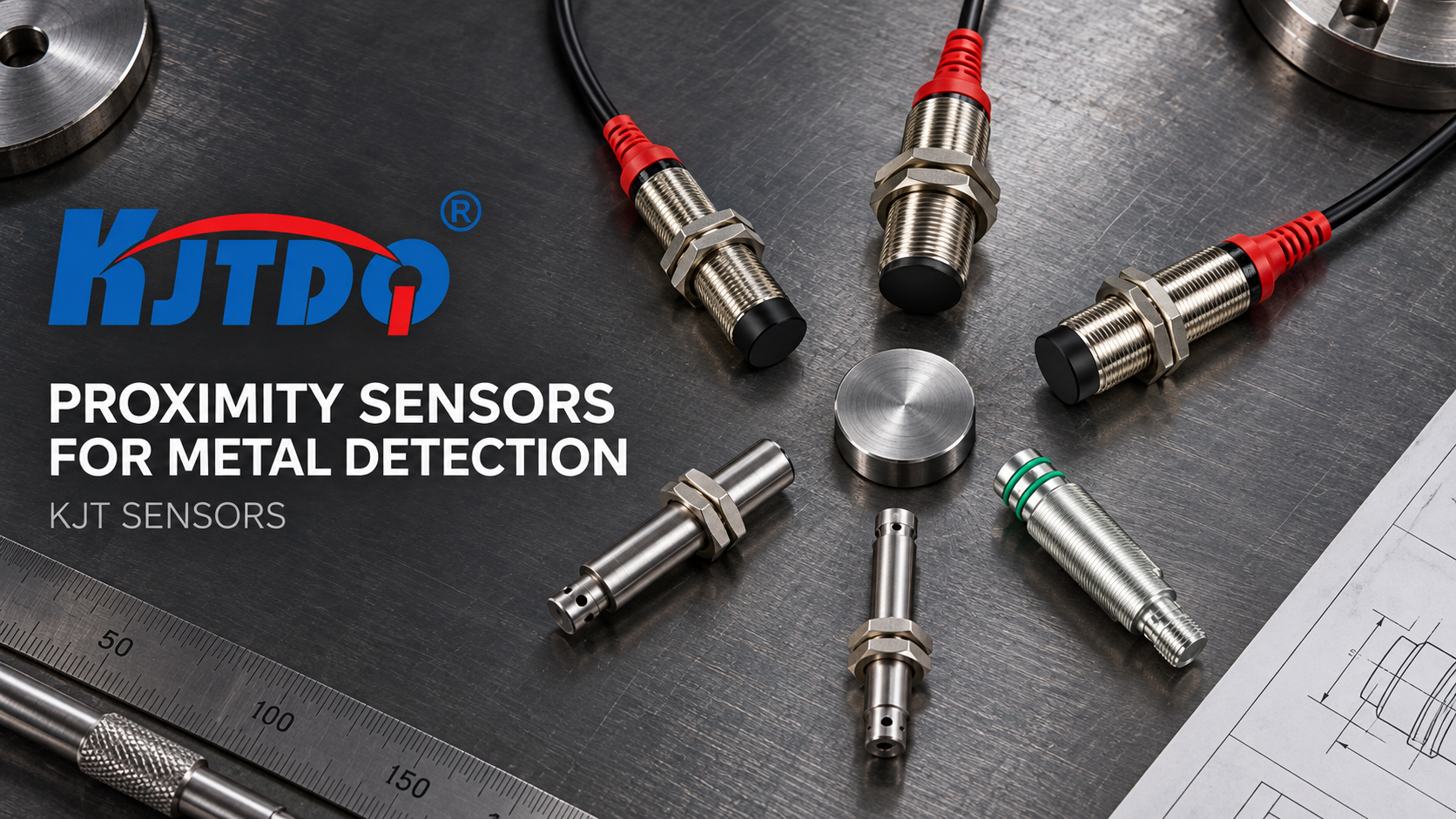
Imagine a factory floor where machines consistently miss detecting the presence of a critical component, causing costly jams and downtime. Or a robotic arm imprecisely locating parts, leading to assembly errors. Such scenarios underscore the vital importance of reliable object detection. Enter the BES03ZJ Proximity Sensor – a robust, industrial-grade solution designed to deliver precision and dependability in countless automation tasks. This unassuming device stands as a silent guardian, ensuring smooth operations by detecting the presence or absence of metallic objects without physical contact.
Proximity sensors are the unheralded heroes of modern automation. They provide the essential binary input – “object present” or “object absent” – that control systems rely on for sequencing, positioning, counting, and safety interlocks. Unlike mechanical limit switches, which require physical force and can wear out, proximity sensors operate contactlessly, using electromagnetic fields. The BES03ZJ exemplifies this technology, offering a blend of durability, accuracy, and ease of installation tailored for demanding industrial environments.
At the heart of the BES03ZJ lies its inductive sensing principle. When energized, the sensor’s oscillator generates a high-frequency electromagnetic field emanating from its active face. When a ferrous (iron-based) or non-ferrous (like aluminum, brass, copper) metal target enters this field, eddy currents are induced within the target. These eddy currents draw energy from the sensor’s oscillator circuit, causing a measurable change – typically, a drop in oscillation amplitude. The sensor’s integrated electronics detect this change and trigger its output signal. This fundamental principle enables the BES03ZJ to detect metallic objects with remarkable consistency and speed.

Why choose the BES03ZJ proximity sensor over alternatives? Several key advantages define its value proposition in industrial settings:
Understanding its specifications is crucial for optimal application. Key parameters relevant to the BES03ZJ include:
The versatility of the BES03ZJ proximity sensor makes it indispensable across numerous sectors:
For engineers and maintenance personnel, ensuring optimal performance of the BES03ZJ involves simple practices. Mounting the sensor securely and aligned correctly relative to the target path is fundamental. Always verify the sensing distance under actual operating conditions, considering the specific target material and size. Select the appropriate DC voltage supply and ensure wiring adheres to the sensor’s designated output type and polarity. Periodically check the sensor face for accumulated metallic debris or excessive build-up that could potentially interfere with the sensing field.
In the intricate dance of industrial automation, where precision, speed, and reliability are non-negotiable, the BES03ZJ proximity sensor delivers a trusted performance. Its robust design, contactless operation, resilience in harsh environments, and straightforward integration make it a cornerstone component for achieving efficiency and minimizing downtime. Whether ensuring a robotic arm picks up the correct part, confirming a safety guard is in place, or accurately counting thousands of items per hour, this sensor provides the critical ‘yes’ or ‘no’ that keeps modern industry moving forward reliably. Implementing the right sensor technology, like the proven BES03ZJ, is an intelligent investment in operational stability.