check

check

check

check
check
check
check
check

check

check
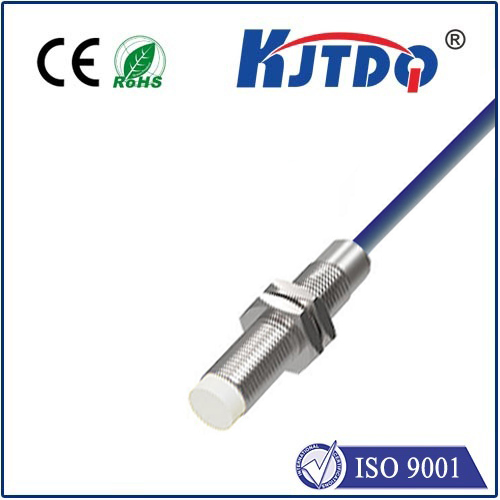
Imagine a massive hydraulic press forging steel components, or a high-pressure water jet slicing through metal. Within these intense industrial settings, reliable sensing isn’t just convenient – it’s absolutely critical for safety, precision, and preventing costly downtime. Standard proximity sensors falter under extreme pressure, risking failure and inaccurate feedback. This is where purpose-built components like the BES014M High Pressure Proximity Sensor step in, offering robust sensing precisely where pressures soar.
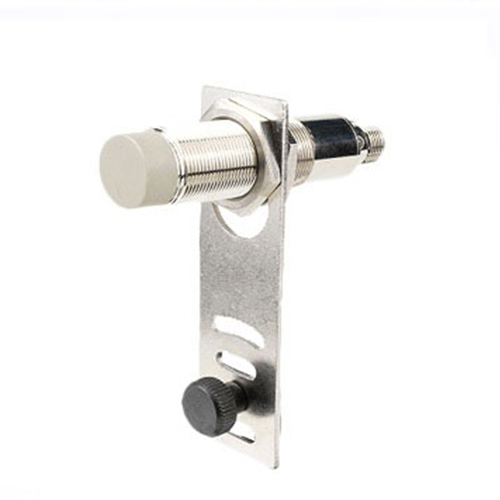
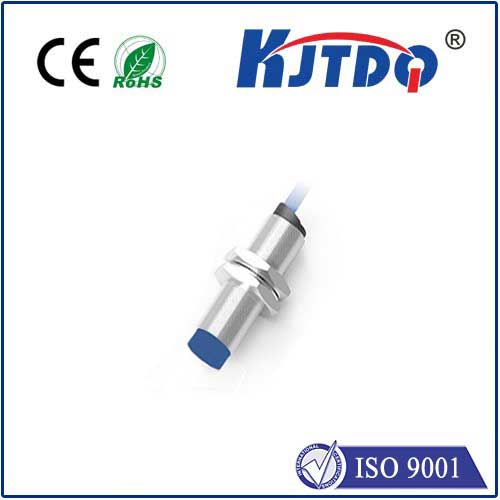
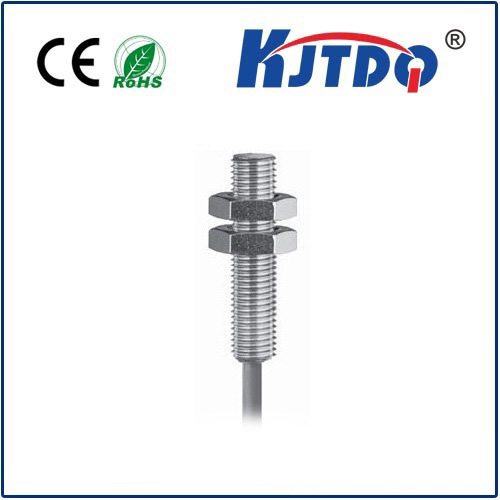
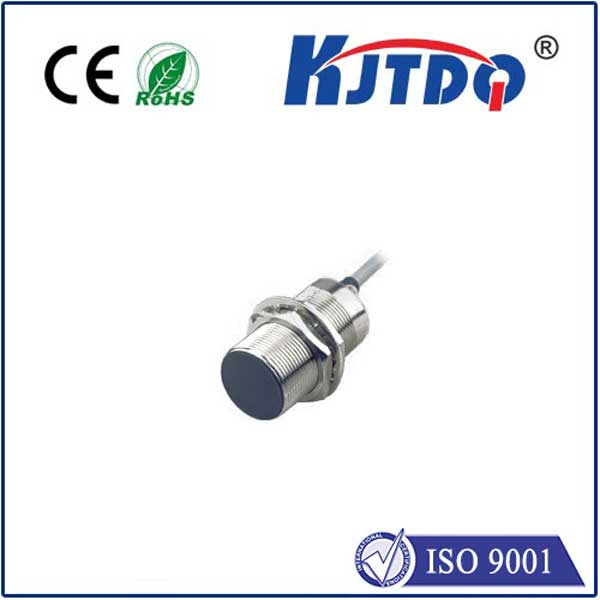
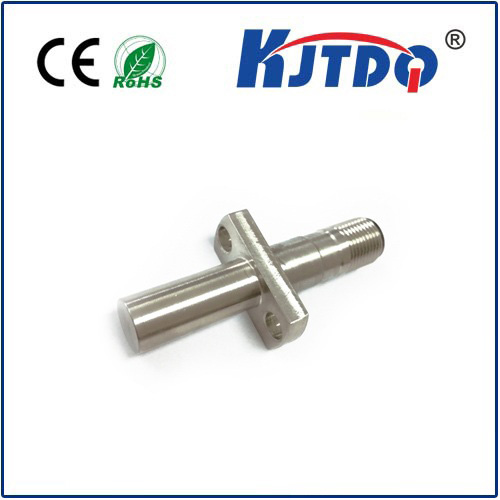
Modern industrial automation demands sensors capable of thriving in punishing conditions. The BES014M exemplifies this engineering ethos, specifically designed as an inductive proximity sensor optimized for applications submerged in hydraulic fluids or exposed to exceptionally high ambient pressures. It transcends the limitations of standard sensors, delivering consistent and dependable detection performance where others cannot.
Understanding the Core Technology: Inductive Sensing Under Pressure
At its heart, the BES014M operates on the principle of inductive proximity sensing. It generates a high-frequency electromagnetic field emanating from its sensing face. When a metallic target (typically ferrous or non-ferrous metals like steel, aluminium, or brass) enters this field, eddy currents are induced within the target. These eddy currents absorb energy from the sensor’s electromagnetic field. The sensor continuously monitors this energy change. Once the disturbance caused by the target surpasses a predefined threshold, the sensor’s internal electronic circuit triggers a switch – solid-state outputs (PNP or NPN, depending on model variant) change state to signal the presence or absence of the target.
This fundamental inductive technology is renowned for its contactless operation, longevity (no moving parts), and high switching frequencies. However, the high pressure capability is what truly distinguishes the BES014M. Standard inductive sensors can experience housing deformation, seal failure, or erratic signal behavior when subjected to significant external pressure differentials.
Engineered Resilience: Conquering High-Pressure Environments
The BES014M tackles this challenge head-on through meticulous design and robust construction:
Where the BES014M Proves Indispensable: Core Applications
This combination of high-pressure tolerance and reliable inductive sensing makes the BES014M the sensor of choice in numerous challenging scenarios:
Key Performance Parameters and Selection Considerations
When specifying the BES014M or similar high-pressure proximity sensors, several critical factors must be evaluated:
The Investment in Reliability
Choosing a sensor like the BES014M High Pressure Proximity Sensor goes beyond simple component selection; it’s an investment in operational resilience and dependability. While the initial cost may be higher than a standard sensor, its ability to prevent unexpected failures, costly production stoppages, potential damage to machinery, and safety hazards in high-pressure zones quickly offsets this. The precision, longevity, and immunity to challenging pressure environments make it an indispensable component for engineers designing and maintaining robust hydraulic and high-pressure fluid systems. Its performance under duress ensures critical machine functions operate as intended, cycle after demanding cycle.
Incorporating sensors explicitly designed for high-pressure tolerance, such as the BES014M, is fundamental for optimizing performance and minimizing risks in the most demanding industrial landscapes. Its specialized construction guarantees that position detection remains steadfast, even when surrounded by the immense forces found within modern hydraulic power and fluid control systems.