check

check

check

check
check
check
check
check

check
check
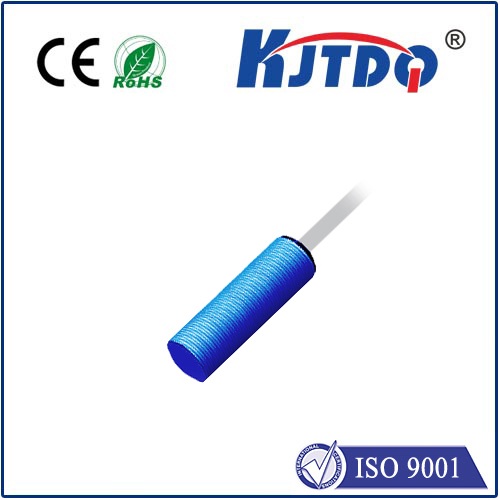
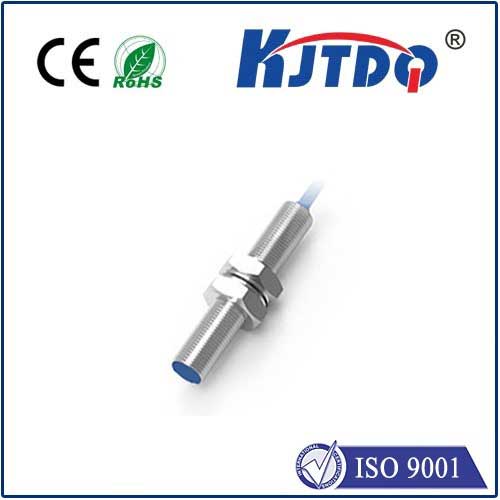
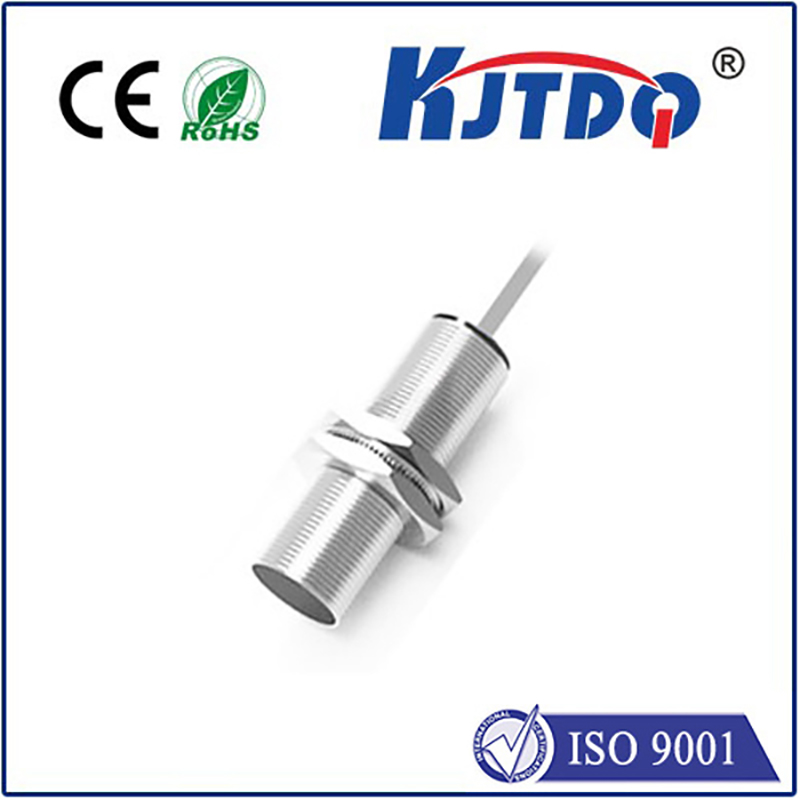
Open a car door, start your dishwasher, or watch a high-speed production line – chances are, a magnetic proximity sensor is silently making it happen. These unassuming yet crucial components are the invisible workhorses of countless applications, providing reliable, non-contact detection of the presence or absence of ferromagnetic objects. Understanding their operation, strengths, and diverse applications reveals why they are indispensable in today’s automated world.
How Does a Magnetic Proximity Sensor Work? Unveiling the Principle
At its heart, a magnetic proximity sensor relies on a fundamental principle: the interaction between a permanent magnet and a sensing element triggered by changes in a magnetic field. Unlike inductive sensors that generate their own electromagnetic field to detect metallic objects, magnetic prox sensors utilize an externally generated magnetic field, typically from a separate magnet (often called a “target”) attached to the object being monitored.
Here’s the core operation:
Key Characteristics and Advantages: Why Choose Magnetic Prox?
Magnetic proximity sensors offer a compelling set of features:
Diverse Applications: Where Magnetic Prox Sensors Shine

Their unique blend of robustness and non-contact detection makes them ideal for a vast array of scenarios:
Reed Switch vs. Hall Effect: Choosing the Right Tool
Selecting between the two primary types hinges on application requirements:
Reed Switch Sensors:
Pros: Extremely simple, low cost, low power consumption (can be used passively in some circuits), bidirectional (detects either pole), high voltage/current handling possible, galvanic isolation.
Cons: Mechanical contacts subject to wear (finite life, though often millions of cycles), limited switching speed compared to solid-state, potentially lower shock/vibration resistance than Hall, susceptible to strong external magnetic fields interfering with operation.
Best For: Low-cost applications, slower switching speeds, very low power scenarios, simple presence/absence detection where external magnetic fields are controlled.
Hall Effect Sensors:
Pros: Solid-state reliability (no moving parts), very high switching speeds, precise position detection possible (especially latching types), excellent shock/vibration resistance, potentially longer sensing ranges, can be designed to be highly immune to external magnetic fields, directional sensing possible (identify N/S pole).
Cons: Generally require a power supply, typically more expensive than basic reed switches (though prices are competitive), complex electronics potentially more sensitive to electrical noise or extreme voltages.
Best For: High-speed applications, environments with significant vibration/shock, applications demanding millions of operations, precise positional needs, applications requiring immunity to stray fields.
Considerations for Implementation: Maximizing Performance
To ensure reliable operation:
The Ubiquitous Workhorse
From ensuring our car doors are securely closed to enabling precision control in million-dollar manufacturing lines, magnetic proximity sensors are omnipresent yet invisible facilitators of modern life. Their elegant combination of non-contact operation, inherent ruggedness against harsh environments, and relative simplicity makes them a fundamental sensing solution across countless industries. Whether leveraging the simplicity of a reed switch or the precision and speed of Hall Effect technology, magnetic prox sensors continue to be the silent, reliable detectives detecting motion and position where it matters most. Understanding their core principles and advantages empowers engineers and designers to select the optimal sensor, unlocking the full potential of this versatile technology in driving efficiency and reliability within automated systems.