check
check

check

check
check
check
check
check

check

check
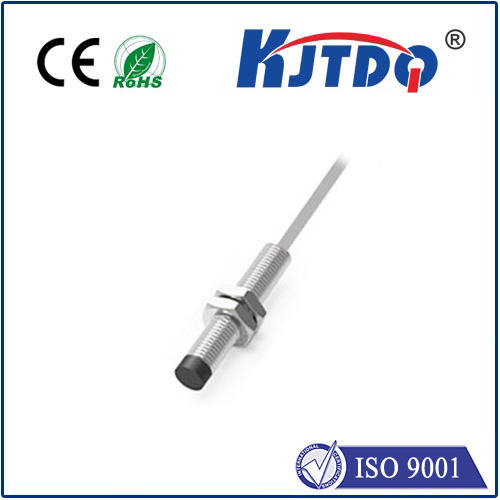
They work silently, unseen, often buried within complex machinery or nestled on production lines. Yet, inductive sensors are fundamental building blocks of modern automation, manufacturing, and countless industrial processes. These remarkable devices detect the presence, absence, or position of metallic objects without physical contact, offering reliability, longevity, and precision where it matters most. Understanding how inductive sensors work and where they excel reveals why they remain indispensable in a world increasingly driven by automation.
The Magic of Electromagnetic Fields
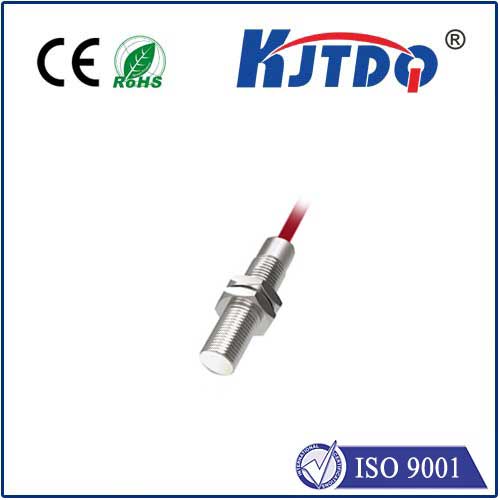
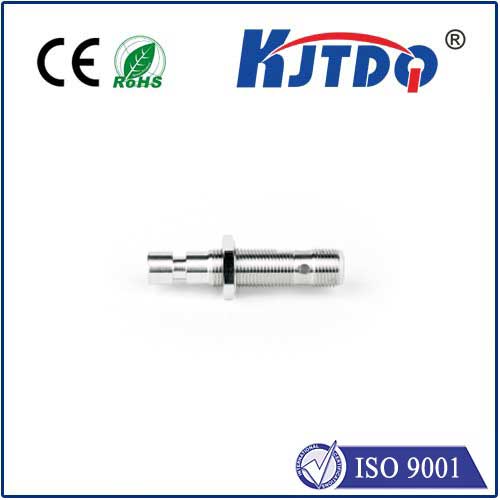
At its core, an inductive proximity sensor operates on the principle of electromagnetic induction. Imagine a tiny electromagnet within the sensor – its core element is a coil wound around a ferrite core. When this coil is energized with an alternating current (AC), it generates a rapidly oscillating electromagnetic field that radiates from the front of the sensor (the sensing face).
Here’s the crucial interaction: When a metallic object (the “target”) enters this active field, something fascinating happens. Eddy currents are induced on the surface of the target material. These are small circulating electrical currents generated within the conductor itself by the changing magnetic field. The creation of these eddy currents absorbs energy from the sensor’s oscillating field.
Detecting the Shift
The sensor’s integrated electronics constantly monitor the state of this electromagnetic field. The energy loss caused by the eddy currents dampens or weakens the oscillator’s amplitude. Sophisticated circuitry within the sensor detects this specific change – the attenuation of the oscillating field. Once this attenuation exceeds a predetermined threshold (indicating a target is definitely within the sensing range), the sensor triggers an electronic switch. This switch changes the state of its output signal (typically switching from “Off” to “On,” or vice-versa), providing a clear, binary signal to a control system like a PLC (Programmable Logic Controller).
Why Inductive Sensors Reign Supreme in Industrial Settings
The fundamental operating principle of inductive sensing bestows several critical advantages that make them the go-to choice for harsh industrial environments:
Where the Unseen Guardians Work: Ubiquitous Applications
The versatility of inductive proximity sensors makes them ubiquitous across diverse sectors:
Choosing the Right Sensor: Key Considerations
Selecting the optimal inductive sensor involves evaluating several factors:
Beyond Simple Presence: Metal Detection & Position Sensing
While presence detection is their most common role, inductive sensors excel in other critical functions:
Conclusionless Commitment
From ensuring a bottle cap is sealed correctly to guaranteeing a robot welds in precisely the right spot, inductive proximity sensors perform vital, often invisible, tasks. Their robust, non-contact nature, immunity to harsh conditions, high reliability, and precise detection capabilities solidify their place as essential components in the backbone of modern industry. Whether simply confirming presence or enabling complex positional control, these electromagnetic workhorses continue to drive efficiency and safety in an automated world.