check

check

check

check
check
check
check
check

check

check
Title: Sensor SN04-N Demystified: Your Guide to Reliable Proximity Sensing
Imagine an invisible field guarding your machinery, detecting objects without a single touch, or silently counting items on a high-speed production line. This isn’t science fiction; it’s the everyday reality powered by sensors like the SN04-N inductive proximity sensor. In a world increasingly driven by automation and precise control, understanding and utilizing such essential components is key. Let’s delve into the SN04-N, exploring its workings, capabilities, and the critical roles it plays across diverse sectors.
Unveiling the SN04-N: Core Principles
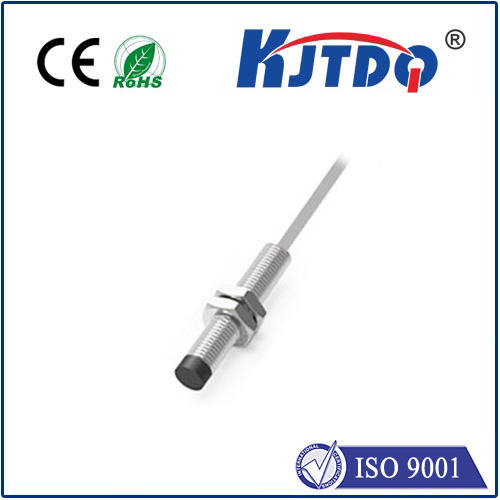
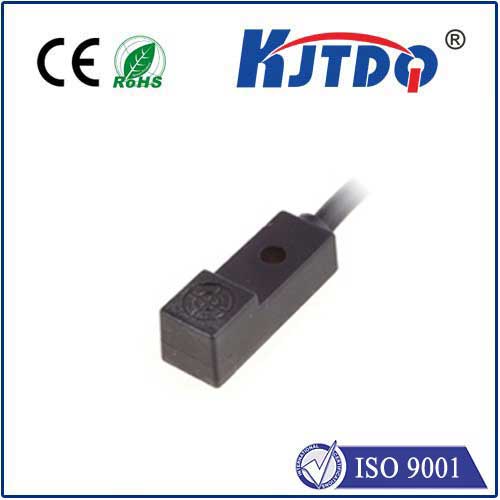
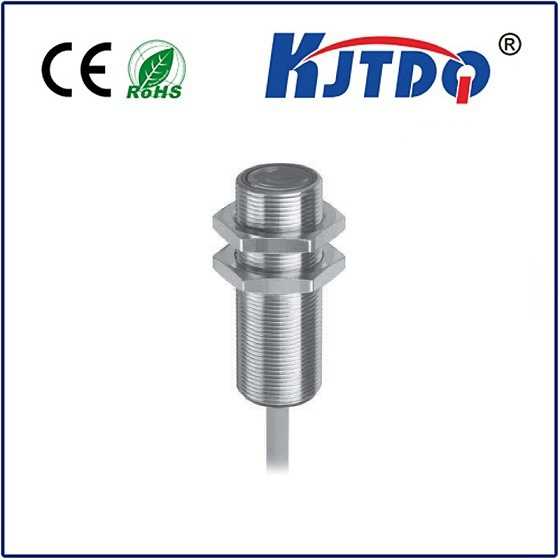
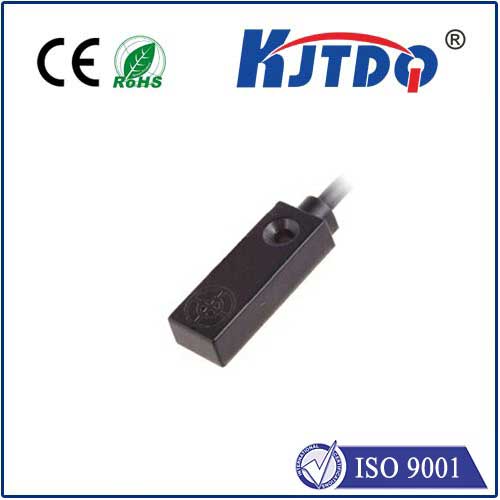
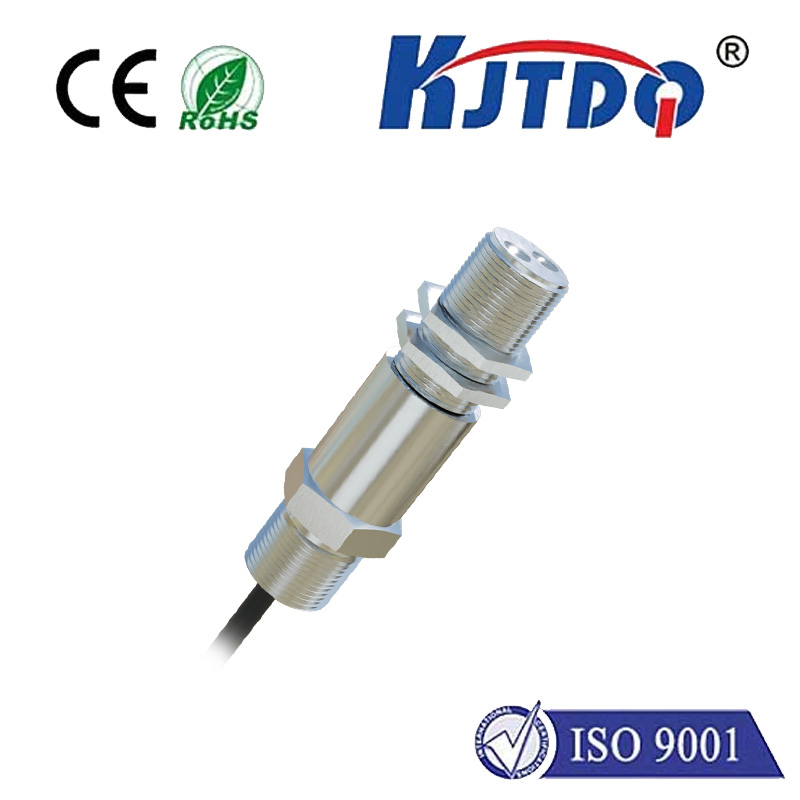
At its heart, the SN04-N sensor is an inductive proximity sensor. It operates on a fundamental principle of electromagnetism. The sensor contains an internal oscillator circuit generating a high-frequency alternating magnetic field radiating from its sensing face. When a metallic object (typically ferrous metals like iron or steel, though some models detect non-ferrous metals like aluminum or copper) enters this field, it induces small electrical currents known as eddy currents within the target material. These eddy currents cause a measurable energy loss in the sensor’s internal oscillator circuit. Sophisticated circuitry within the SN04-N detects this change in oscillation amplitude and triggers a solid-state electronic switch – essentially turning its output signal on or off.
This non-contact detection method is the cornerstone of the SN04-N sensor’s appeal. It means there’s no physical wear and tear from touching objects, leading to exceptional longevity and reliability. Furthermore, its resilience to dirt, dust, oil, and vibration makes it an ideal solution for demanding industrial settings.
Key Specifications and Capabilities

While specific parameters can vary slightly between manufacturers, the SN04-N family typically shares common core specifications crucial for integration:
Where the SN04-N Sensor Excels: Vital Applications
The SN04-N sensor’s blend of robustness, reliability, and simple integration makes it indispensable in countless scenarios:
Material Handling & Packaging: Ensuring smooth flow and preventing jams by detecting metal rollers, guides, or product carriers.
Automotive Manufacturing: Used extensively in robotic welding cells, part positioning systems, press lines, and engine assembly where metallic components are omnipresent.
Consumer Goods Production: Detecting metal components in appliances, machinery assembly, and food processing equipment (where stainless steel is common).
DIY & Prototyping: Its standardized form factor and simple wiring (usually Brown = +V, Blue = GND, Black = Output) make the SN04-N a popular choice for hobbyists and makers building automated projects or robots requiring reliable metallic object detection.
Installation and Optimization Best Practices
Maximizing the SN04-N sensor’s performance hinges on proper setup:
Troubleshooting Common Issues
Even robust sensors like the SN04-N can face challenges. Common symptoms and potential fixes include:
The SN04-N Advantage: Reliability in a Compact Package
The sensor SN04-N exemplifies the power of inductive proximity technology. Its simplicity, ruggedness, and proven performance have cemented its place as a go-to solution for engineers and technicians worldwide. By understanding its working principles, key specifications, ideal applications