check
check

check

check
check
check
check
check

check

check
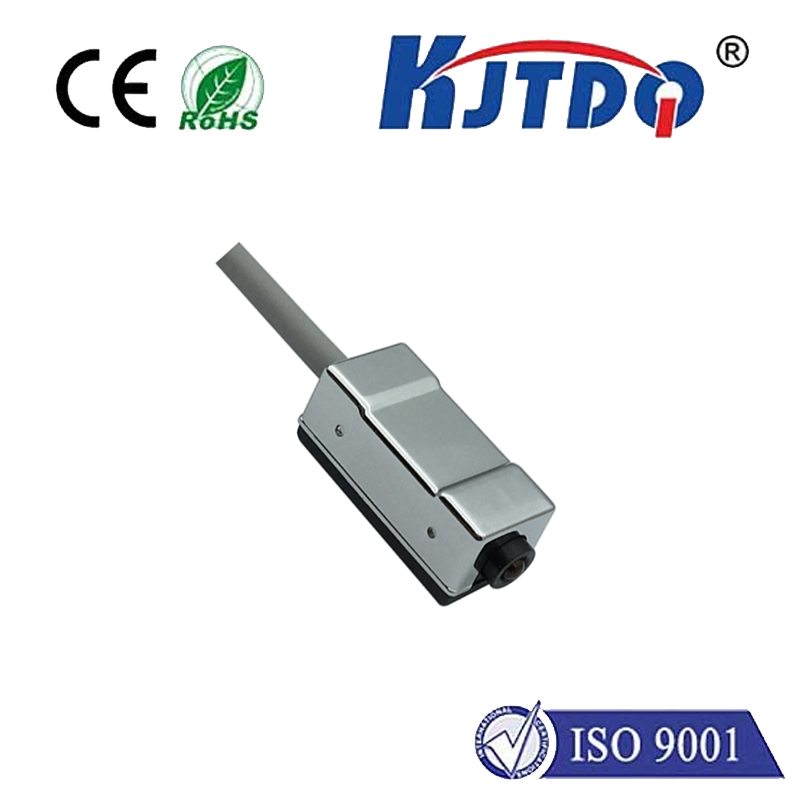
Proximity detection is the unsung hero of industrial efficiency, quietly preventing collisions, optimizing processes, and safeguarding machinery. Among the most reliable solutions in this domain are Hall-effect proximity sensors—often abbreviated as HTM sensors—which leverage magnetism to deliver non-contact precision. This article demystifies their operation, applications, and unique advantages.
Hall-effect sensors rely on Edwin Hall’s 1879 discovery: When a magnetic field intersects an electric current in a conductor, it generates a voltage perpendicular to both (the Hall voltage). In modern HTM sensors, this principle is engineered into compact devices:
Unlike optical or ultrasonic sensors, HTM variants thrive in contaminated environments—ignoring dust, oil, or vibration. Their solid-state design ensures zero wear, making them ideal for high-cycle applications.

A case study from a German auto plant revealed a 30% reduction in downtime after replacing mechanical limit switches with HTM sensors.
Consider these parameters:
For magnetic-field-sensitive zones, shielded models contain flux leakage, while unshielded types maximize range.
Integration with IIoT platforms is accelerating. Modern HTM sensors now embed:
Research from MIT highlights embedded AI in next-gen HTM sensors, allowing adaptive calibration for fluctuating magnetic environments.
HTM proximity sensors exemplify how foundational physics enables cutting-edge automation. Their blend of resilience, speed, and versatility makes them indispensable for industries prioritizing safety, efficiency, and innovation. As robotics and IoT evolve, these magnetic sentinels will remain at the forefront—silently, reliably bridging the gap between machines and motion.