check

check

check

check
check
check
check
check

check

check

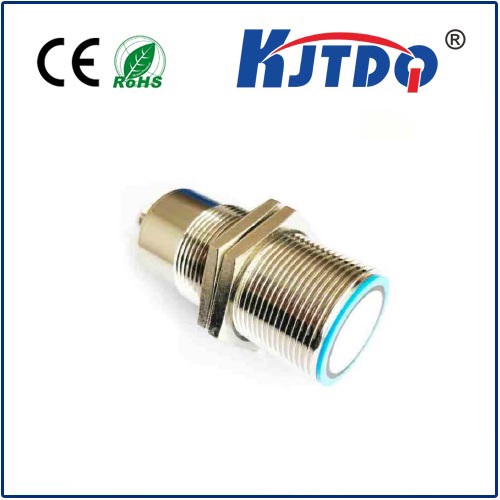
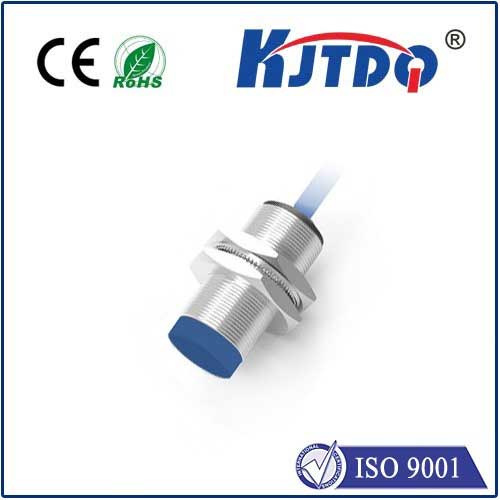
Title: Unveiling the Magic of Magnetic Proximity Sensors: A Comprehensive Guide In the ever-evolving landscape of technology, magnetic proximity sensors have emerged as unsung heroes, revolutionizing the way we interact with machines and environments. These ingeniously designed devices harness the principles of magnetism to detect the presence, absence, or distance of objects without physical contact. In this article, we will delve into the fascinating world of magnetic proximity sensors, exploring their working mechanism, applications, benefits, and potential challenges. So, let’s embark on a journey that uncovers the hidden potential of these remarkable sensors. Understanding Magnetic Proximity Sensors: A Closer Look At the heart of every magnetic proximity sensor lies a simple yet powerful concept – the interaction between magnetic fields. Unlike traditional contact-based sensors, these sensors utilize changes in magnetic fields to trigger signals, making them ideal for non-contact measurement applications. The core components typically include a magnet, a coil, and an electronic circuit that interprets the variations in reluctance caused by the object’s proximity to generate output signals. This design allows for precise detection within millimeter ranges, offering high accuracy and reliability even in harsh conditions. How Do They Work? The operation of a magnetic proximity sensor is based on the principle of electromagnetic induction. When a ferrous or permanent magnet comes close to the sensor’s face, it disrupts the magnetic field surrounding the internal coil, causing a change in inductance. This change induces a voltage across the coil, which is then processed by the electronic circuitry to produce a digital (open/close) or analog signal proportional to the distance from the target object. The sensitivity of the sensor can be adjusted through design parameters like coil turns and material properties, allowing customization for specific requirements. Applications Galore: Where Magnetic Proximity Sensors Shine Magnetic proximity sensors find their utility across a myriad of industries due to their versatility, durability, and cost-effectiveness. Here are some key areas where they make a significant impact: