check

check

check

check
check
check
check
check

check

check

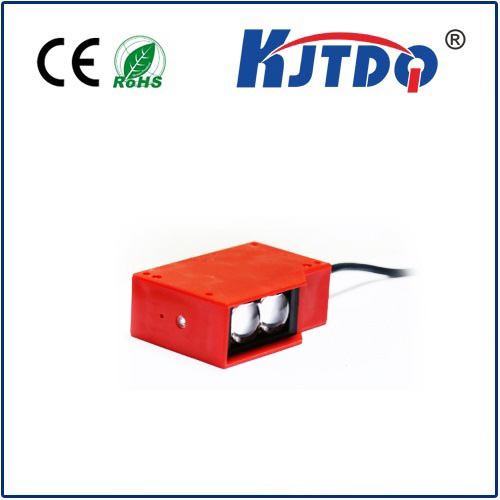
The Versatility of Infrared Proximity Switches in Modern Applications In an era where automation and precision are paramount, infrared proximity switches have emerged as indispensable components in diverse industrial and consumer applications. These sensors utilize infrared light to detect the presence or absence of objects within a certain range, offering a non-contact means of object detection that is both reliable and efficient. This article delves into the functionality, benefits, and varied uses of infrared proximity switches, underscore their importance in modern technology. Understanding Infrared Proximity Switches An infrared proximity switch consists of an infrared emitter and a photodetector, which are often encased in a single unit. The emitter emits infrared light, and when an object comes within its detection range, the light reflects back and is detected by the photodetector. This change in signal indicates the presence or absence of the object. Unlike traditional mechanical switches, infrared proximity switches do not require physical contact, making them ideal for delicate or sensitive materials. Advantages of Infrared Proximity Switches