check

check

check

check

check

check

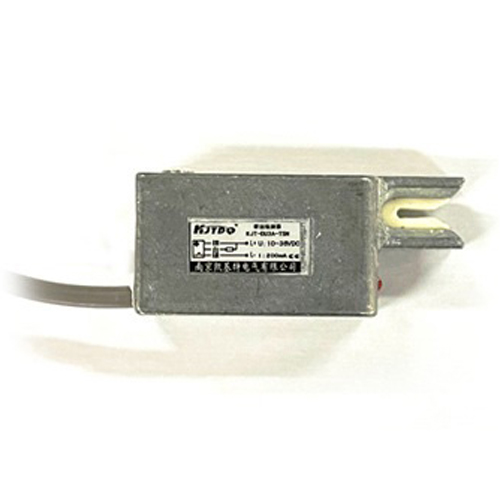
Harnessing Proximity Probes for Vibration Measurement: A Comprehensive Guide In the realm of precision engineering and predictive maintenance, vibration measurement stands as a cornerstone technology. The ability to accurately monitor and analyze mechanical vibrations not only ensures equipment reliability but also contributes to early fault detection, thereby minimizing downtime and reducing maintenance costs. Among the myriad of sensor technologies available, proximity probes have emerged as a popular choice due to their non-contact nature, high sensitivity, and versatility in various industrial applications. This article delves into the intricacies of proximity probes for vibration measurement, exploring their functionality, benefits, and best practices for implementation. Understanding Proximity Probes: Mechanism and Operation Proximity probes operate on the principle of electromagnetic induction or capacitive coupling, enabling them to detect the distance between the probe face and a conductive or dielectric target surface without physical contact. These devices consist of a sensing element that generates an electrical signal proportional to the gap size, which is then converted into a readable output by the associated electronics. In the context of vibration measurement, proximity probes are strategically placed near rotating machinery components such as shafts, bearings, or gears. As these components vibrate, the distance to the probe fluctuates, generating a corresponding electrical signal that precisely reflects the motion characteristics. Advantages of Using Proximity Probes for Vibration Measurement