check

check

check

check

check

check
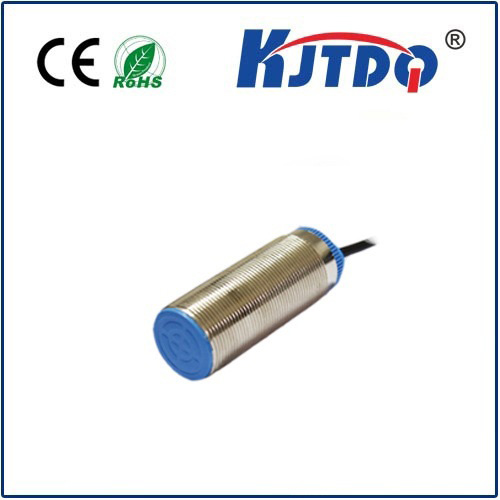
Title: Unveiling the Mystery of Inductive Ring Sensors: An In-Depth Look into Their Functionality and Applications Introduction to Inductive Ring Sensors In today’s technologically advanced world, sensors play a crucial role in various industries for monitoring, controlling, and ensuring the smooth operation of machinery. Among these, the inductive ring sensor stands out as a versatile and reliable device used extensively in automation and manufacturing environments. This article delves into the intricacies of inductive ring sensors, elucidating their working principle, advantages, and diverse applications. Understanding the Working Principle At its core, an inductive ring sensor operates based on the principles of electromagnetic induction. It consists of two main components: the transmitter coil and the receiver coil, both embedded within a compact housing. When an external metallic object passes through or comes close to the sensor’s detection range, it disrupts the electromagnetic field generated by the transmitter coil. This interference is detected by the receiver coil, triggering an output signal that indicates the presence or absence of the object. The design ensures high sensitivity and robustness against environmental factors such as dust, moisture, and temperature fluctuations. Key Advantages of Inductive Ring Sensors