check

check

check

check

check

check
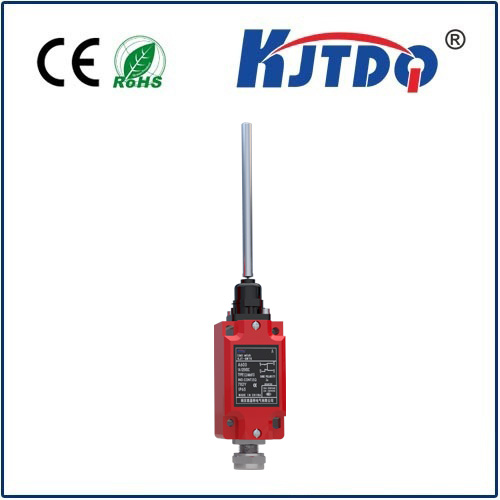
Title: Understanding the Essentials of Base – Rotary Limit Switches In the realm of industrial automation and control systems, precision and reliability are paramount. Among the myriad components ensuring these qualities, the base – rotary limit switch stands out as a crucial element. This article delves into the functionality, benefits, and applications of base – rotary limit switches, providing a comprehensive guide for those looking to optimize their machinery’s performance and safety features. The Fundamentals of Base – Rotary Limit Switches A base – rotary limit switch is an electromechanical device designed to detect the position of a rotating shaft within a predefined range. It serves as a safeguard by preventing machinery from exceeding its operational limits, thereby averting potential damage or hazardous situations. The switch consists of a stationary base and a rotating actuator that activates when the set point is reached, triggering an electrical signal to halt or alter the machine’s operation. These limit switches operate on a simple yet effective principle: as the shaft rotates, the integrated contacts make or break an electrical circuit, depending on whether the predetermined angle has been surpassed or not. This straightforward mechanism allows for precise control over rotational movements, making it an indispensable tool in various industries. Advantages of Using Base – Rotary Limit Switches