check

check

check

check

check

check

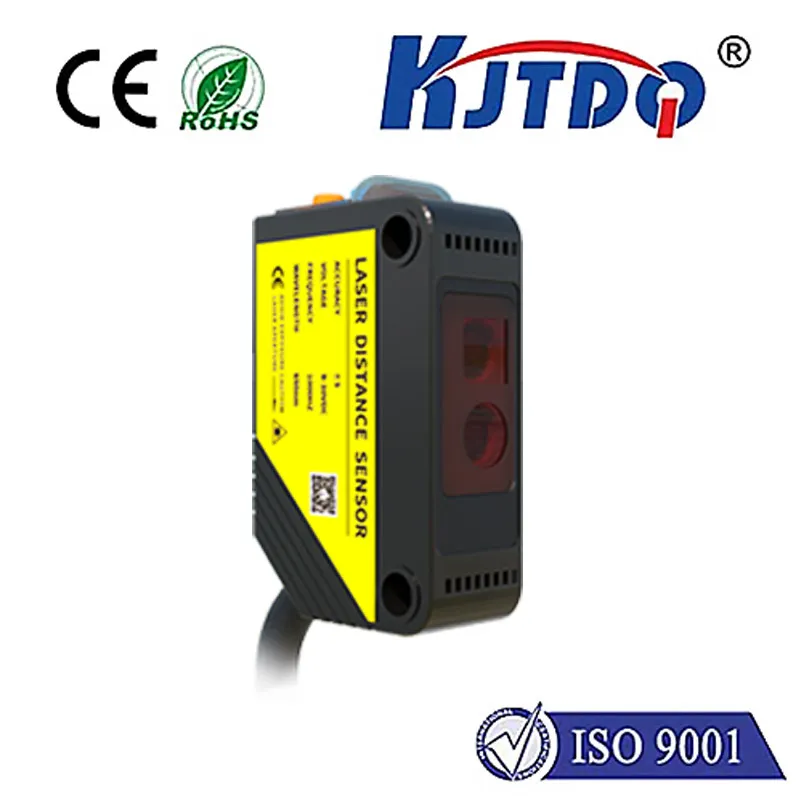
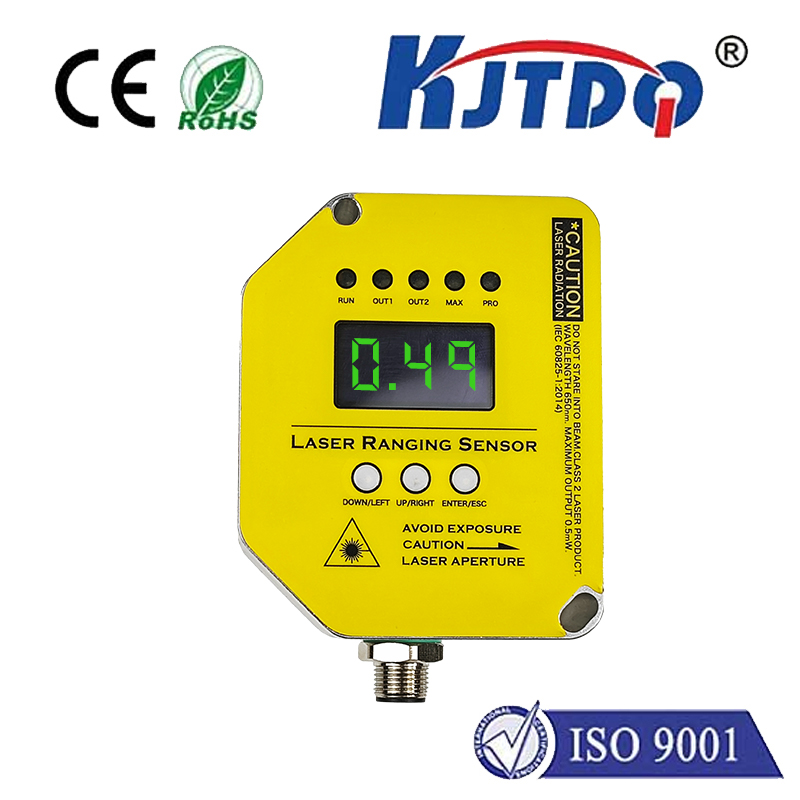
Title: Exploring the World of Reflective Type Photoelectric Sensors Photoelectric sensors have become an integral part of our lives, finding applications in various industries. Among the different types of photoelectric sensors available, reflective type photoelectric sensors stand out for their unique features and versatility. In this article, we will explore the world of reflective type photoelectric sensors, shedding light on their working principle, applications, advantages, and limitations. Working Principle of Reflective Type Photoelectric Sensors Reflective type photoelectric sensors consist of an emitter and a detector housed in a single casing. The emitter emits infrared radiation, which is reflected off a target object and detected by the detector. The detector then converts the received infrared radiation into an electrical signal, which is further processed to determine the presence or absence of the target object. The reflectivity of the target object plays a crucial role in determining the performance of reflective type photoelectric sensors. Highly reflective objects such as metals and glass reflect most of the infrared radiation back to the detector, resulting in a stronger signal. On the other hand, non-reflective objects such as matte surfaces absorb most of the infrared radiation, resulting in a weaker signal. Applications of Reflective Type Photoelectric Sensors Reflective type photoelectric sensors are widely used in various industries due to their flexibility and ease of installation. Some of their common applications include: