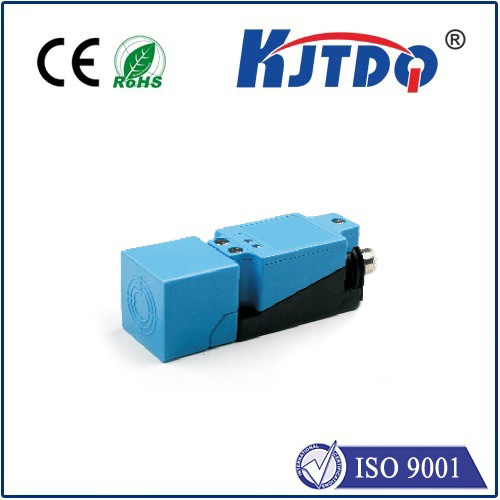
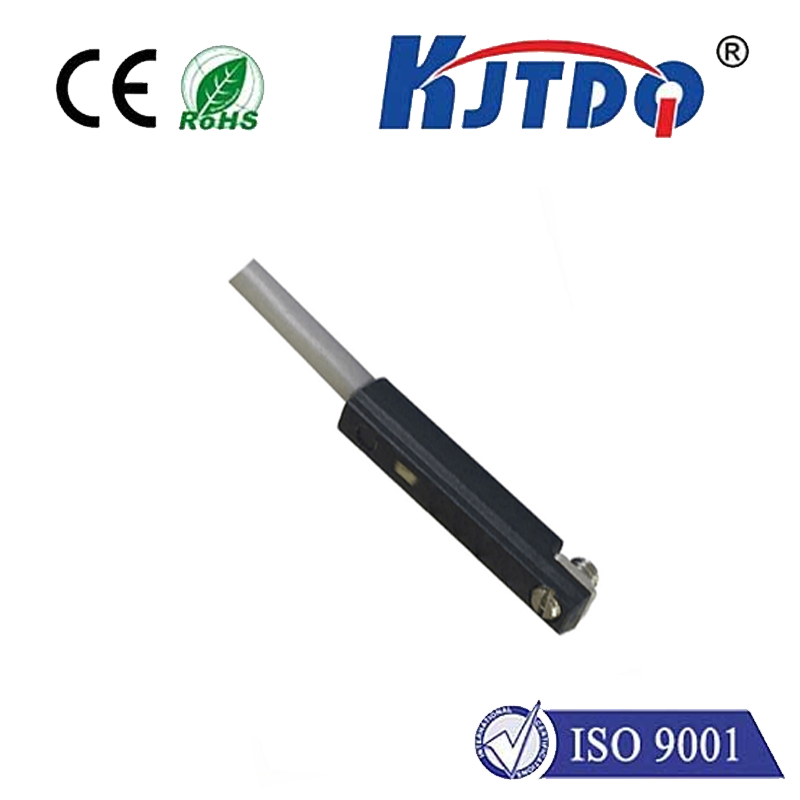
check

check

check

check

check

check
Title: Unveiling the Mystery of Capacitive Type Proximity Sensors Introduction Capacitive type proximity sensors are devices that detect the presence of an object without any physical contact. They operate based on the principle of capacitance, which is the ability of a system to store an electric charge. These sensors have become increasingly popular in various industries due to their high accuracy, reliability, and versatility. In this article, we will explore what capacitive type proximity sensors are, how they work, and their applications. What is a Capacitive Type Proximity Sensor? A capacitive type proximity sensor consists of two parallel metal plates separated by a small gap. When an object approaches the sensor, it changes the electrostatic field between the plates, causing a change in capacitance. The sensor then converts this change into an electrical signal that can be measured and analyzed. How Does a Capacitive Type Proximity Sensor Work? The basic working principle of a capacitive type proximity sensor involves creating a variable电容 between two conductive plates. As the object moves closer to the sensor, the电容 increases because the distance between the plates decreases. This change in电容 is measured as a change in voltage or current, which is then amplified and converted into a digital signal by the sensor’s electronic circuitry. Applications of Capacitive Type Proximity Sensors Capacitive type proximity sensors have a wide range of applications across different industries. Some of their most common uses include: