check

check

check

check

check

check
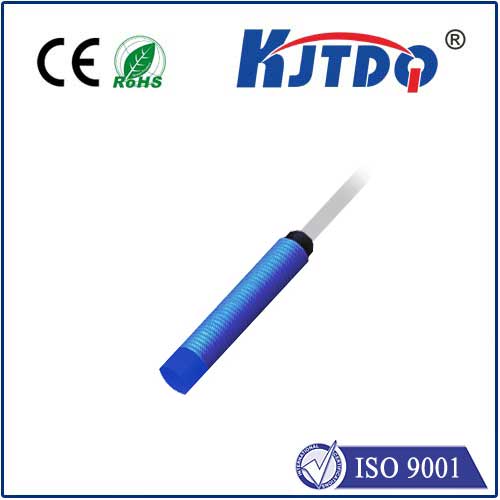
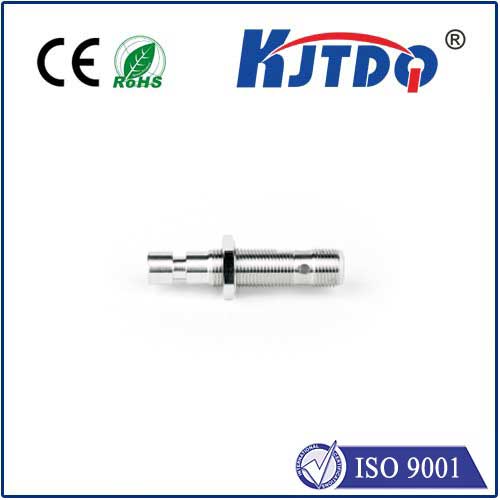
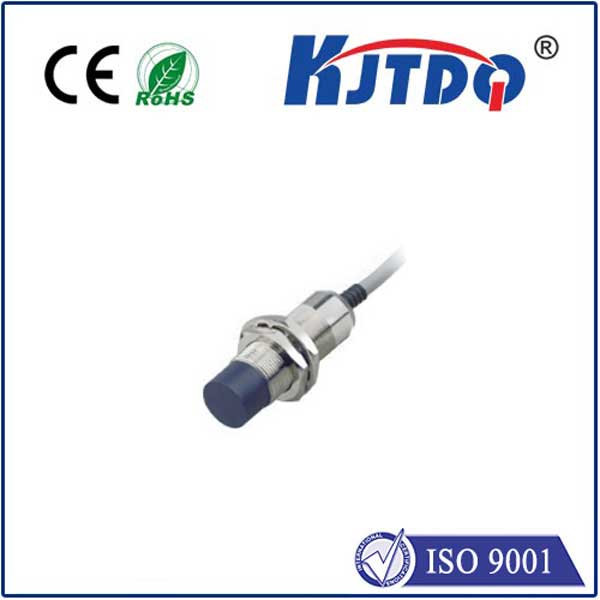
In the demanding world of industrial automation, where machinery operates under extreme pressures and in unforgiving conditions, sensor reliability is not just a preference—it's an absolute necessity. Downtime caused by sensor failure can lead to catastrophic production losses and safety hazards. This is where the KGG13L2BU High Pressure Proximity Sensor steps in, engineered specifically to deliver unwavering performance where others falter. Designed to withstand the rigors of high-pressure applications, this sensor represents a significant leap in durability and precision sensing technology.
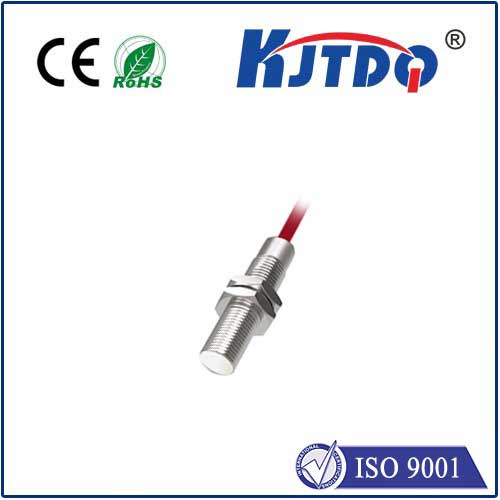
The core strength of the KGG13L2BU lies in its robust construction. It is housed in a stainless-steel body capable of enduring continuous exposure to environments with pressures that would compromise standard sensors. The sensing face is protected by a specialized, thick diaphragm made from high-grade materials resistant to corrosion, abrasion, and media penetration. This design ensures that the internal electronics remain completely isolated from the process medium, whether it's hydraulic oil, coolant, or other aggressive fluids. Unlike conventional inductive sensors that might deform or leak under stress, the KGG13L2BU maintains its structural integrity and sensing accuracy, providing a consistent and reliable detection signal.
Precision is paramount, and the KGG13L2BU excels with its exceptional switching accuracy. It is optimized for detecting metallic targets, such as piston positions in hydraulic cylinders or valve actuations, even through non-metallic cylinder walls. This non-contact detection method eliminates mechanical wear, leading to a dramatically extended service life compared to mechanical limit switches. The sensor offers a very narrow switching hysteresis, meaning it activates and deactivates at remarkably consistent points. This repeatability is critical for processes requiring precise positional control, ensuring that machines operate within their exact parameters cycle after cycle, thereby enhancing overall product quality and process stability.
Electrical reliability is another cornerstone of its design. The KGG13L2BU typically features a PNP normally open (NO) configuration, providing a straightforward interface with most modern programmable logic controllers (PLCs). It is equipped with advanced protection against common electrical threats, including short-circuit, reverse polarity, and overvoltage conditions. An integrated LED status indicator offers instant visual confirmation of the operating state, simplifying installation, troubleshooting, and maintenance procedures. This focus on electrical robustness minimizes unexpected failures and reduces diagnostic time on the factory floor.
The application scope for the KGG13L2BU is vast and centers on high-pressure domains. Its most prominent use is in hydraulic systems. It is the ideal choice for monitoring piston end positions in hydraulic cylinders used in injection molding machines, metal stamping presses, construction equipment (like excavators and bulldozers), and heavy-duty material handling systems. It ensures that cylinders fully extend or retract, preventing damage from over-travel and enabling precise sequence control. Furthermore, it finds essential roles in die-casting machines, where it monitors plunger position under extreme heat and pressure, and in industrial pumps and compressors for condition monitoring and leak detection.
Choosing the KGG13L2BU translates directly into tangible operational benefits. The primary advantage is maximized uptime. Its ruggedness drastically reduces failure rates, minimizing unplanned stoppages and maintenance interventions. This reliability fosters improved safety by ensuring machine functions and safety interlocks operate as intended. The precision and repeatability contribute to enhanced product quality and reduced material waste. While the initial investment may be higher than a standard sensor, the total cost of ownership is significantly lower due to reduced replacement costs, less maintenance labor, and the avoidance of expensive production downtime. For engineers and plant managers seeking to fortify their automation systems against high-pressure challenges, the KGG13L2BU High Pressure Proximity Sensor is not merely a component; it is a strategic asset for building a more resilient, efficient, and productive operation.