check

check

check

check

check

check
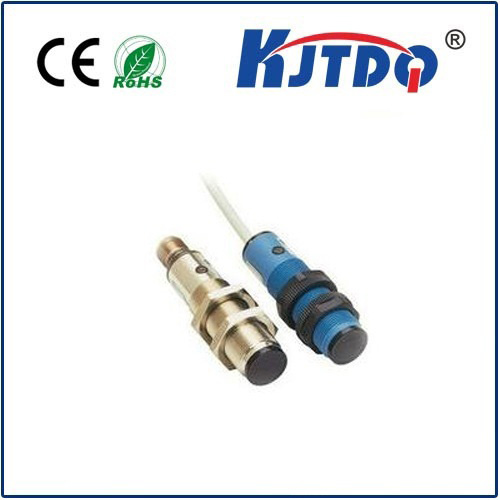
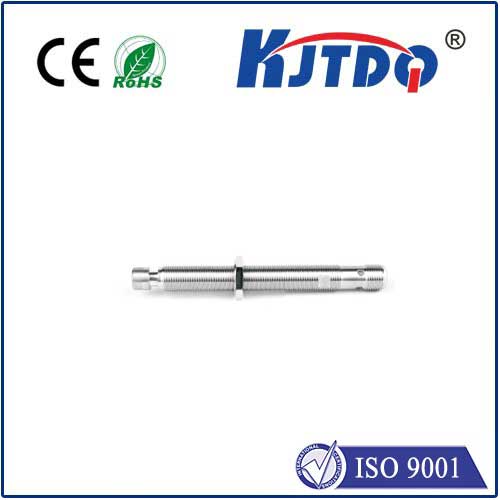
In the world of industrial automation, reliability is not just a feature; it's a fundamental requirement. Harsh environments characterized by high pressure, extreme temperatures, and constant vibration demand sensing components that are built to endure. The BES M30EG1-PSC20Z-S04G-S12, often referenced by its compact designation BES03JK, stands as a prime example of engineering excellence designed to meet these rigorous challenges head-on. This high-pressure inductive proximity sensor is more than just a component; it is a critical enabler of uptime, safety, and precision in complex machinery and fluid power systems.
At its core, the BES M30EG1-PSC20Z-S04G-S12 is engineered for resilience. Its robust M30 stainless steel housing provides exceptional resistance to mechanical stress and corrosion, making it ideal for use in hydraulic systems, die-casting machines, plastic injection molding equipment, and heavy-duty press lines. Where standard sensors might falter under constant high-pressure washdowns or exposure to aggressive coolants and lubricants, this sensor maintains consistent performance. The "High Pressure" designation is a key differentiator, indicating its ability to operate reliably in environments where pressure surges and shocks are commonplace, ensuring signal stability where it matters most.
The technical specifications of the BES03JK model reveal a device optimized for seamless integration and precise detection. Featuring a 4mm sensing distance, it offers a reliable detection range for metallic targets. The PNP normally-open (NO) switching output (denoted by PSC20Z) is a widely compatible configuration, simplifying connection to programmable logic controllers (PLCs) and other control systems prevalent in modern factories. The inclusion of a 4-pin M12 connector (S04G) ensures quick, secure, and standardized cabling, reducing installation time and minimizing potential wiring errors. Furthermore, its IP67 and IP69K ingress protection ratings guarantee complete defense against dust ingress and high-pressure, high-temperature water jets, which is critical for industries requiring frequent cleaning, such as food and beverage or pharmaceutical manufacturing.
Operational performance under varying conditions is where the BES M30EG1-PSC20Z-S04G-S12 truly proves its worth. It demonstrates remarkable temperature stability, functioning accurately across a broad range. This thermal resilience prevents false triggers or signal loss that can occur with inferior sensors when ambient temperatures fluctuate near machinery. Its high switching frequency allows for the detection of rapidly moving parts, which is essential for high-speed production lines and automated assembly processes. This combination of speed, accuracy, and environmental toughness directly translates to fewer production stoppages, reduced maintenance interventions, and a lower total cost of ownership over the sensor's extended lifecycle.
Implementing this sensor brings tangible benefits to system designers and plant managers. Its robust design reduces machine downtime caused by sensor failure, a critical factor in maximizing overall equipment effectiveness (OEE). The enhanced reliability in high-pressure zones improves safety by providing consistent feedback on cylinder position, clamp status, or door closure in hazardous areas. This reliable data is the foundation for predictive maintenance strategies, allowing teams to address potential issues before they lead to catastrophic failures. From automotive manufacturing lines with powerful hydraulic presses to offshore oil and gas applications with demanding pressure cycles, the BES03JK provides a trusted sensing point.
Selecting the right sensor for high-pressure applications requires careful consideration. The BES M30EG1-PSC20Z-S04G-S12 addresses the common pain points of durability, signal integrity, and ease of integration. Its design philosophy prioritizes long-term performance in the most challenging spots on the factory floor. When operational continuity, safety compliance, and precision are non-negotiable, this high-pressure proximity sensor emerges as a definitive choice. It represents a strategic investment in infrastructure that safeguards productivity and ensures that automated systems perform as intended, day in and day out, under pressure.