check

check

check

check

check

check
In the demanding world of industrial automation and process control, reliability is non-negotiable. Equipment must perform flawlessly under extreme conditions, from high temperatures to immense pressure and constant vibration. This is where specialized components like the BES 516-300-S315-S4-N (BHS004K) High Pressure proximity sensor prove their indispensable value. Designed for rigorous environments, this sensor represents a pinnacle of engineering for precise, non-contact detection in high-pressure systems.
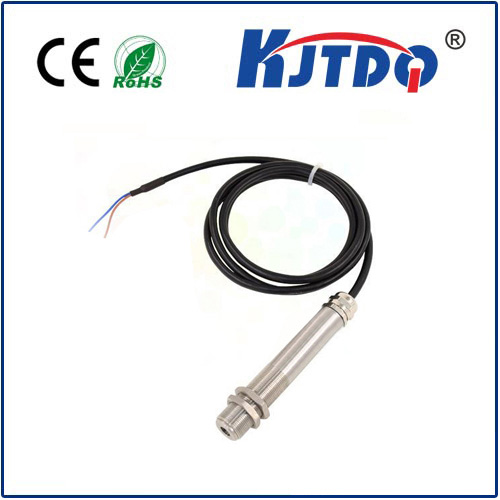
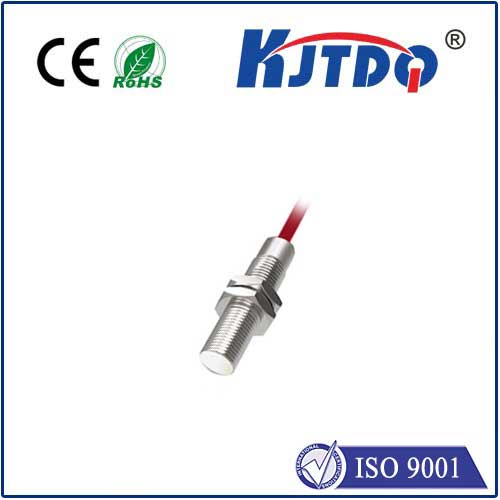
The core function of the BES 516-300-S315-S4-N is to detect the presence or position of a metallic target without any physical contact. Its "High Pressure" designation is not merely a label; it signifies a robust construction capable of withstanding significant pressure within hydraulic or pneumatic systems. The housing is engineered from high-grade stainless steel, providing exceptional resistance to corrosion, mechanical stress, and the ingress of fluids or contaminants. This durability ensures long-term operational stability, reducing downtime and maintenance costs in critical applications such as hydraulic cylinder positioning, injection molding machines, and heavy-duty press controls.
A key feature of this sensor is its inductive sensing technology. It generates an electromagnetic field. When a ferrous metal target enters this field, it causes a change in the oscillation amplitude, which the sensor's circuitry detects and converts into a clear switching signal. The "S4" in its part number typically indicates a particular sensing distance or form factor, while designations like "S315" often relate to specific electrical connections or output configurations, such as a 2-wire DC PNP normally open (NO) or normally closed (NC) output. This precise and rapid response is crucial for controlling machine cycles, ensuring safety interlocks, and providing real-time feedback for system monitoring.
The application scope for the BHS004K variant is vast. Beyond standard factory automation, it excels in sectors like marine engineering, where equipment faces saltwater corrosion and shock, and in mobile hydraulics for construction and agricultural machinery, where sensors must endure constant vibration and environmental extremes. Its ability to perform reliably where other sensors might fail makes it a preferred choice for system integrators and maintenance engineers who prioritize uptime and safety.
Installation and integration are streamlined by its standardized M30 housing thread, a common form factor in industrial settings. This allows for easy mounting into standard fixture holes. Proper installation is straightforward but critical: ensuring the correct alignment to the target, maintaining the specified sensing distance, and following wiring guidelines according to the datasheet (typically, brown wire to positive, blue wire to negative, and black wire as the switched output). Adherence to these steps guarantees optimal performance and avoids common issues like false triggering or reduced sensing range.
When selecting a sensor for high-pressure environments, the BES 516-300-S315-S4-N (BHS004K) offers distinct advantages over generic alternatives. Its specialized sealing and housing integrity prevent failure under pressure cycling. The use of high-quality materials mitigates the risk of sudden breakdowns. For procurement and replacement, it is essential to use the complete part number, including the BHS004K order code, to ensure compatibility with existing system electrical and mechanical interfaces. Sourcing from authorized distributors guarantees authenticity and access to technical support.
In conclusion, the BES 516-300-S315-S4-N is more than just a component; it is a critical reliability node within a complex system. Its design addresses the core challenges of industrial sensing—pressure, durability, and precision. For engineers designing new systems or maintaining existing ones in harsh conditions, specifying this sensor translates to enhanced machine performance, improved safety protocols, and a significant reduction in unplanned operational interruptions. Its proven track record in the field solidifies its status as a trusted solution for mission-critical detection tasks.