check

check

check

check

check

check
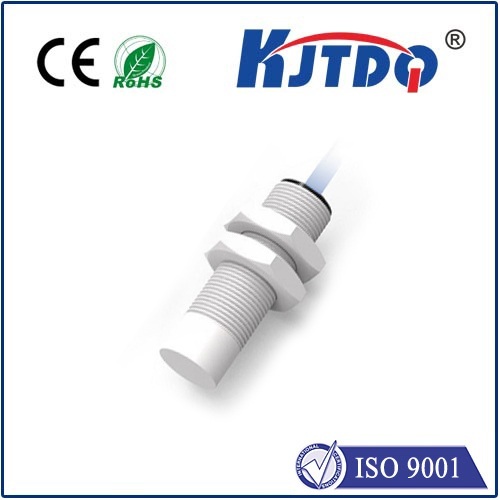
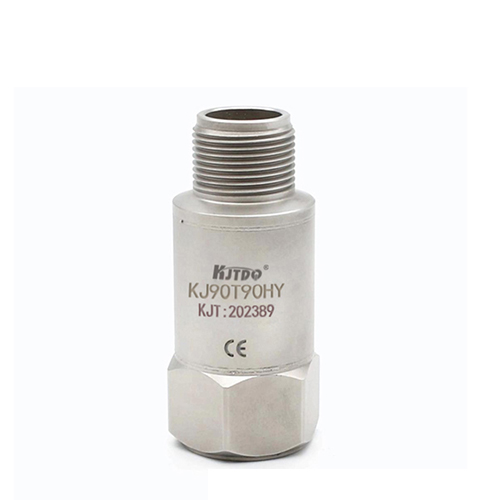
In demanding industrial environments where reliability and precision are non-negotiable, the selection of sensing technology becomes a critical factor for operational success. The BES02N3 BES M08EH1-NSC20B-S04G-S High Pressure Proximity Sensor stands out as a robust solution engineered to deliver unwavering performance under extreme conditions. This sensor is specifically designed to meet the rigorous demands of applications involving high-pressure fluids, aggressive media, and challenging installation spaces, making it an indispensable component in modern automation and control systems.
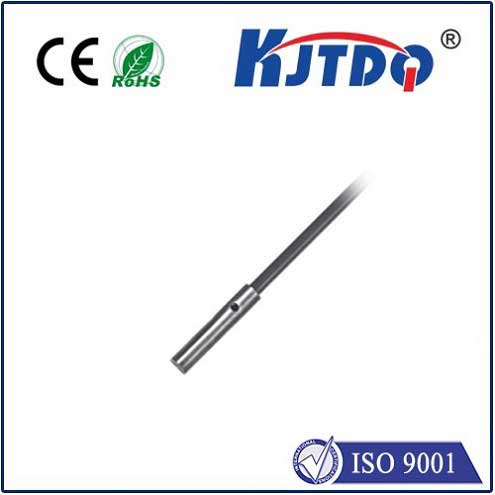
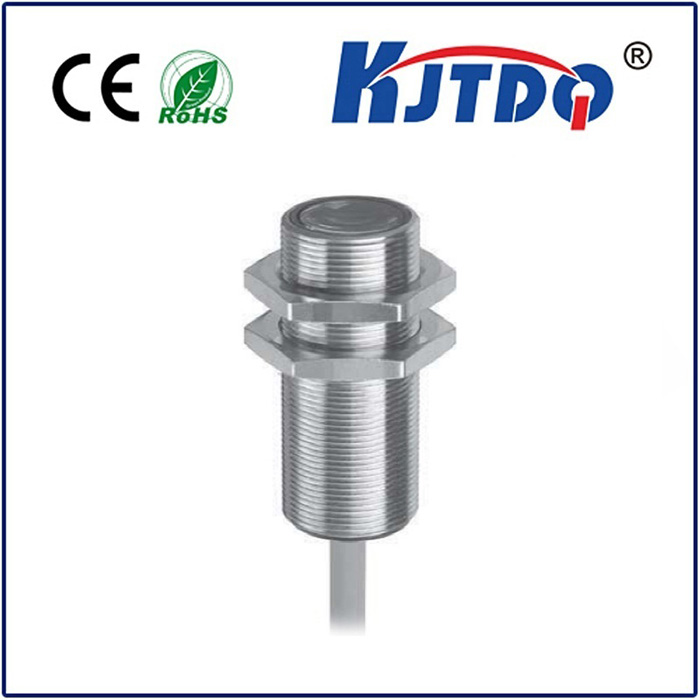
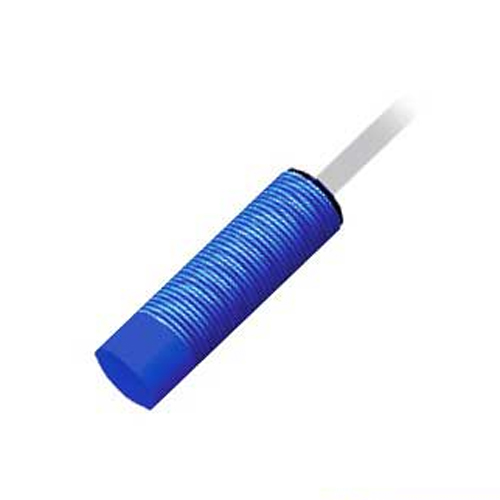
The core of the BES02N3 sensor's capability lies in its advanced inductive sensing principle. It generates an electromagnetic field to detect the presence of metallic targets without any physical contact. This non-contact operation is crucial in high-pressure scenarios, as it eliminates mechanical wear and tear, significantly extending the service life of both the sensor and the machinery it monitors. The M08EH1 designation indicates a compact, cylindrical housing with an 8mm diameter, allowing for installation in confined spaces where larger sensors simply cannot fit. This compact form factor does not compromise on durability; the housing is constructed from high-grade stainless steel, providing exceptional resistance to corrosion, impacts, and the ingress of liquids or solids, as denoted by its high IP rating.
A key feature that sets this model apart is its designation for high-pressure applications. The sensor and its electrical connections, including the NSC20B-S04G-S connector, are engineered to withstand the mechanical stresses and potential media exposure associated with environments like hydraulic systems, die-casting machines, or high-pressure cleaning equipment. The sealing technology ensures that internal electronics remain protected even when subjected to sudden pressure surges or direct sprays. This resilience translates directly into reduced downtime and maintenance costs, as the sensor continues to provide accurate signals without failure.
The electrical output is another area of meticulous design. The sensor provides a stable and reliable switching signal, crucial for interfacing with Programmable Logic Controllers (PLCs) or other control units. Its short-circuit and reverse polarity protection features safeguard the sensor and the broader control circuit from accidental wiring errors, a common source of failure in fast-paced industrial settings. The precise sensing distance and high switching frequency enable it to detect fast-moving components or monitor valve positions with millisecond accuracy, ensuring seamless process flow and quality control.
Integration is streamlined through its pre-wired connector variant, NSC20B-S04G-S. This plug-and-play design drastically reduces installation time and complexity. Technicians can quickly connect and disconnect the sensor without specialized tools, facilitating easier replacement or system reconfiguration. The cable material is also selected for flexibility and durability, capable of withstanding constant motion, temperature variations, and exposure to oils or coolants commonly found in industrial plants.
From automotive manufacturing lines, where it monitors hydraulic cylinder positions, to food and beverage processing, where it must endure high-pressure washdowns, the BES02N3 BES M08EH1-NSC20B-S04G-S proves its versatility. Its ability to deliver consistent, repeatable detection in the presence of vibration, electromagnetic interference, and temperature fluctuations makes it a trusted choice for engineers seeking to enhance system reliability. By providing a critical feedback loop in automated systems, this sensor helps prevent machine collisions, ensures proper sequencing of operations, and contributes to overall operational safety.
Ultimately, investing in a high-performance proximity sensor like the BES02N3 is an investment in operational integrity. It moves beyond basic detection to become a foundational element for predictive maintenance strategies and increased productivity. Its design philosophy prioritizes longevity and accuracy in the harshest conditions, ensuring that your control systems have the dependable data they need to function optimally, day in and day out, without unexpected interruptions.