check

check

check

check

check

check
In industrial automation and process control, the ability to accurately detect objects or monitor conditions under extreme pressure is not just an advantage—it's a critical necessity. The KGG18P3KNC High Pressure Proximity Sensor stands as a robust solution engineered specifically for these challenging applications. This sensor exemplifies the fusion of advanced sensing technology with rugged construction, designed to deliver unwavering performance where others might fail.
The core of the KGG18P3KNC's capability lies in its specialized design to operate reliably in high-pressure environments, such as those found in hydraulic systems, heavy machinery, die-casting equipment, and offshore operations. Unlike standard proximity sensors that may malfunction or suffer reduced lifespan under intense compressive forces, this model is built with reinforced housing and internal components that can withstand significant external pressure. This inherent durability ensures consistent signal output and detection accuracy, which is paramount for maintaining system integrity and preventing costly downtime or safety incidents.
A key feature of this sensor is its non-contact detection principle. Utilizing technologies like inductive or capacitive sensing, depending on the specific variant, it can detect metallic or non-metallic targets without physical touch. This eliminates mechanical wear and tear, significantly extending the operational life of both the sensor and the target object. For the KGG18P3KNC, this non-contact operation is maintained even when submerged in fluids or exposed to high-pressure washes, thanks to its superior sealing ratings, typically meeting IP67, IP68, or IP69K standards. This makes it ideal for harsh, dirty, or wet conditions common in manufacturing, food processing, and marine industries.
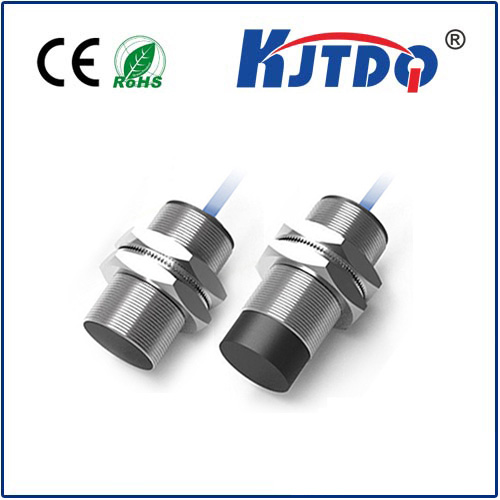
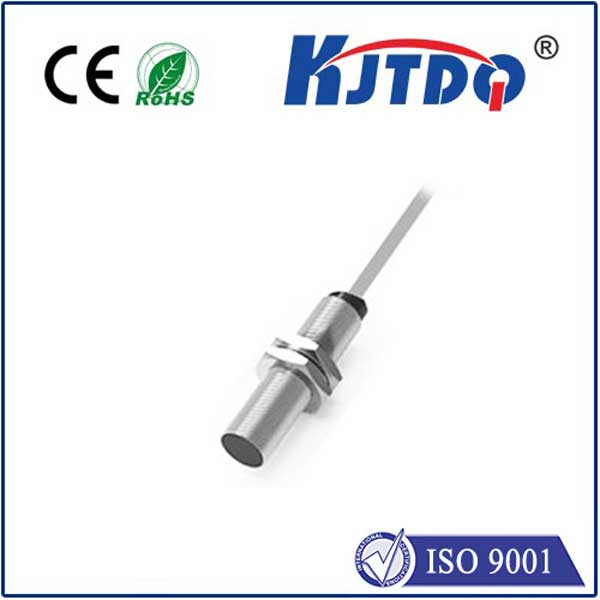
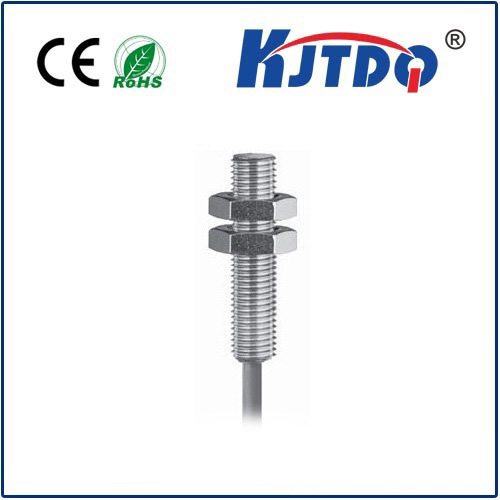
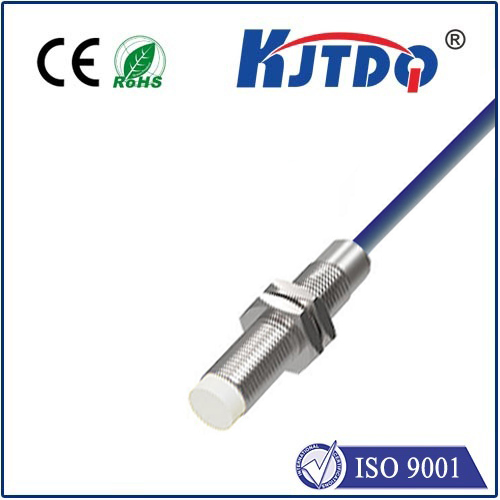
Installation and integration are streamlined due to its standardized form factor and output options. Available typically in M18 or similar threaded cylindrical housings, it can be easily mounted into existing system panels. Output signals are usually in the form of a stable PNP or NPN switching signal, compatible with standard programmable logic controllers (PLCs) and industrial control systems. This plug-and-play compatibility reduces setup time and complexity, allowing for quick deployment into production lines or machinery.
Performance specifications of the KGG18P3KNC are tailored for precision. It offers a well-defined sensing range, fast response times to detect rapid changes in target position, and excellent repeatability. This means the sensor provides the same accurate detection point every cycle, which is crucial for automated processes requiring high precision, such as robotic assembly, positioning control, or pressure vessel monitoring. Furthermore, its design often includes features like short-circuit protection, reverse polarity protection, and resistance to electromagnetic interference (EMI), enhancing overall system reliability.
The application scope for this high-pressure proximity sensor is vast. In the automotive sector, it monitors hydraulic presses and clamping units. In plastics and injection molding, it detects mold positions under high clamping forces. Within energy and oil & gas, it serves on pipeline systems and pumping equipment. Its resilience also benefits agriculture and construction machinery, where it can operate reliably in the dusty, high-vibration, and high-pressure hydraulic environments of tractors and excavators.
Selecting the right sensor for high-pressure duties involves considering several factors. The KGG18P3KNC addresses these by offering variants with different sensing ranges, output types, and connection methods. Engineers must assess the specific pressure rating required, the material of the target, environmental contaminants, temperature extremes, and the required electrical interface. This sensor's design typically provides clear documentation on these parameters, facilitating an informed selection process.
Maintenance requirements are minimal, contributing to a lower total cost of ownership. The sealed, robust construction resists ingress from oils, coolants, and particulate matter. Regular checks for physical damage and cleanliness of the sensing face are generally sufficient to ensure long-term operation. This reliability translates into fewer production interruptions and reduced spare part inventory.
In conclusion, the KGG18P3KNC High Pressure Proximity Sensor represents a specialized tool for industrial automation where environmental pressure is a dominant factor. Its design prioritizes durability, accuracy, and seamless integration, providing a dependable sensing solution that supports operational efficiency and safety. For industries pushing the boundaries of performance in tough conditions, integrating such a purpose-built sensor is a strategic step toward achieving greater control, reducing maintenance overhead, and enhancing the robustness of automated systems. It is a component that works silently yet indispensably in the background, ensuring processes run smoothly under pressure.