check

check

check

check

check

check
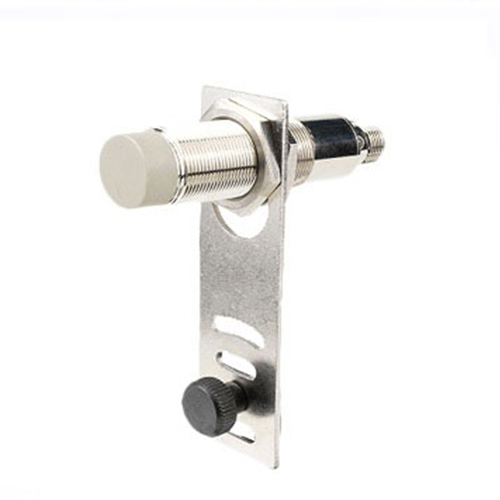
In the demanding world of industrial automation and process control, the reliability and accuracy of sensing technology are non-negotiable. Among the critical components ensuring seamless operation in high-pressure environments is the BES 516-300-S203 High Pressure Proximity Sensor. This device stands as a cornerstone for engineers and maintenance professionals seeking robust, dependable performance where it matters most. Unlike standard sensors, the BES 516-300-S203 is specifically engineered to withstand extreme pressures, making it an indispensable asset in sectors like hydraulic systems, heavy machinery, oil and gas, and marine applications.
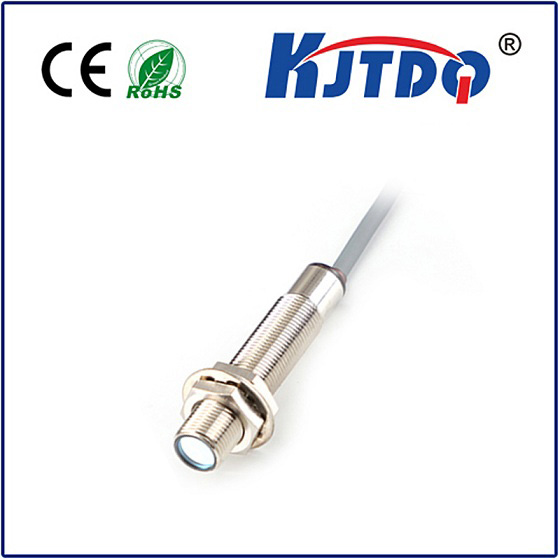
The core functionality of the BES 516-300-S203 revolves around its inductive sensing principle. It detects the presence or absence of metallic objects without any physical contact, thereby eliminating mechanical wear and tear. This non-contact operation is crucial in high-pressure zones where mechanical switches would fail prematurely. The "S203" designation often refers to specific electrical characteristics or housing variants, tailored for particular installation requirements. The sensor's housing is typically constructed from high-grade stainless steel, providing exceptional resistance to corrosion, shock, and vibration. This rugged build ensures longevity even in the harshest industrial settings, where exposure to moisture, chemicals, and particulate matter is common.
One of the defining features of the BES 516-300-S203 is its impressive pressure rating. While exact specifications should always be verified with the manufacturer's datasheet, sensors in this class are designed to operate reliably within hydraulic systems where fluid pressures can reach several hundred bar. This capability prevents sensor failure due to housing deformation or seal leakage, which are common points of failure for inferior products. The integrated sensing face is reinforced to handle direct exposure to these forces without compromising the sensitive internal electronics. This design consideration directly translates to reduced downtime and lower total cost of ownership, as replacements and maintenance intervals are significantly extended.
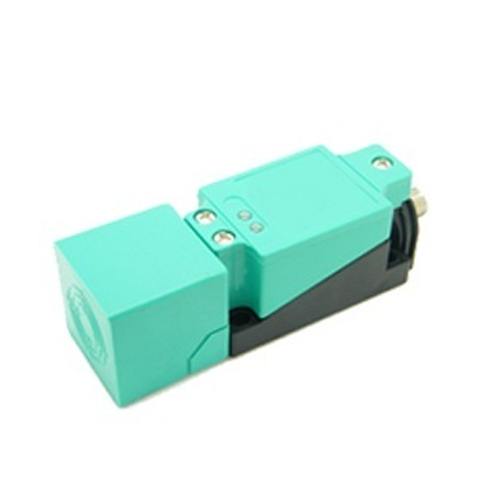
Installation and integration of the BES 516-300-S203 are streamlined for efficiency. It commonly features a standard M30 threaded barrel, allowing for easy mounting into prepared fixtures. The electrical connection is typically via a pre-wired cable or a quick-disconnect plug, facilitating swift replacement if necessary. Output options usually include a stable 3-wire DC PNP or NPN signal, compatible with a vast array of programmable logic controllers (PLCs) and control systems. This plug-and-play compatibility minimizes engineering time and ensures a smooth integration into existing automation networks. Technicians appreciate the consistent signal output, which provides reliable data for critical control loops and safety interlocks.
The practical applications for this sensor are vast and varied. In hydraulic press lines, it precisely monitors piston position, ensuring cycles complete accurately and safely. Within offshore drilling platforms, it serves as a vital component for monitoring valve positions and equipment status under immense seabed pressures. In the renewable energy sector, particularly in hydraulic pitch systems for wind turbines, such sensors guarantee blade angle adjustment is precisely reported back to the control unit. Each application leverages the sensor's immunity to environmental stressors, its high repeat accuracy, and its steadfast performance where pressure fluctuations are the norm.
Selecting the right high-pressure proximity sensor requires careful consideration. The BES 516-300-S203 model addresses key decision factors: its rated pressure threshold must exceed the maximum operating pressure of the system with a safe margin; the sensing distance must be appropriate for the target object and installation space; and the temperature range must align with the operational environment. Furthermore, certifications for use in potentially explosive atmospheres (ATEX, IECEx) may be required for specific industries, and many variants in this series are designed to meet these rigorous standards. Consulting with a technical specialist or the manufacturer is always recommended to match the exact sensor code to the application's unique demands.
Ultimately, the BES 516-300-S203 High Pressure Proximity Sensor represents more than just a component; it is a commitment to operational integrity. By providing a durable, accurate, and reliable sensing solution in conditions that would incapacitate standard devices, it empowers industries to push the boundaries of efficiency and safety. Its design philosophy prioritizes resilience without sacrificing performance, making it a trusted reference in engineering specifications worldwide. For operations where failure is not an option, investing in proven technology like this sensor is a strategic decision that safeguards productivity, protects capital equipment, and ensures continuous process flow under pressure.