check

check

check

check

check

check
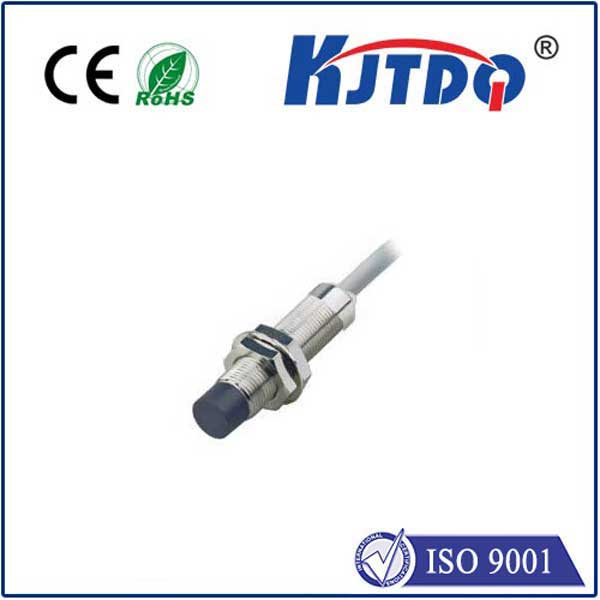
In the demanding world of industrial automation, where machinery operates under extreme conditions, the reliability of every component is non-negotiable. Sensors, the critical eyes and ears of a system, must perform flawlessly even when subjected to high-pressure environments, vibrations, and contaminants. This is where specialized solutions like the DW-AS-502-P20 High Pressure proximity sensor come into play, offering a level of durability and precision that standard sensors simply cannot match.
The core challenge in high-pressure applications, such as hydraulic systems, die-casting machines, injection molding, and heavy-duty press lines, is the intense physical stress exerted on equipment. A standard inductive or capacitive proximity sensor might fail prematurely due to housing deformation, seal failure, or internal component damage caused by sustained high pressure. The DW-AS-502-P20 is engineered from the ground up to withstand these forces. Its defining feature is a housing and sensing face constructed from high-grade, pressure-resistant stainless steel. This robust construction ensures the sensor body maintains its integrity, preventing collapse or deformation that would alter its sensing characteristics or lead to catastrophic failure. The hermetic sealing technology employed is equally critical, creating a barrier that keeps out hydraulic fluids, cutting oils, coolants, and fine metallic particles, ensuring long-term operational stability.
Beyond mere survival, the DW-AS-502-P20 delivers consistent and accurate detection performance. Utilizing a high-frequency oscillation principle, it can reliably detect the presence or absence of metallic targets—be it a piston in a hydraulic cylinder, a mold plate, or a tool position—without physical contact. This non-contact operation eliminates mechanical wear, a significant advantage for maintenance schedules and total cost of ownership. The sensor is typically designed with a sensing range optimized for its rugged housing, such as a 2mm range for the P20 model, providing precise detection even when space is constrained around high-pressure components. Its fast switching frequency allows it to keep pace with high-cycle machinery, ensuring no event is missed in rapid sequential operations.
Electrical integration is streamlined for industrial environments. The DW-AS-502-P20 commonly features a PNP normally open (NO) configuration, providing a positive signal when a target is detected, which is compatible with most programmable logic controllers (PLCs) and control systems. It operates on a standard DC voltage range, often 10-30V DC, and includes protection against common issues like short-circuits, reverse polarity, and electrical noise (EMI), which are prevalent in plants with heavy motor and drive loads. The inclusion of a bright LED status indicator provides immediate visual confirmation of its operational state, a simple but vital feature for troubleshooting during installation or routine checks.
The practical benefits of deploying such a sensor are substantial. First and foremost is dramatically increased machine uptime. By eliminating a common point of failure in harsh zones, production lines experience fewer unplanned stoppages. This reliability translates directly into higher throughput and reduced costs associated with emergency repairs and sensor replacements. Secondly, it enhances process consistency. Accurate position feedback from hydraulic rams or moving parts under pressure ensures repeatable cycles in molding or pressing operations, leading to improved product quality and less material waste. Finally, it simplifies system design for engineers. Knowing a sensor like the DW-AS-502-P20 can be placed directly in a high-pressure zone allows for more compact and efficient machine layouts, reducing the need for complex mechanical linkages or remote sensing setups.
When selecting a sensor for a high-pressure application, several specifications demand close attention. The pressure rating is paramount; ensure the sensor's rated maximum pressure exceeds the peak operating pressure of your system, including any potential pressure spikes. The housing material and IP (Ingress Protection) rating, such as IP67 or IP69K, indicate its resistance to solids and liquids. Temperature range compatibility with the operating environment is also crucial. The electrical output type must match your control system's input card requirements. For installation, it is essential to follow the manufacturer's guidelines regarding mounting, ensuring proper sealing and avoiding excessive side-load on the sensing face.
In conclusion, the DW-AS-502-P20 High Pressure proximity sensor represents a specialized tool for a specific and challenging set of industrial conditions. It moves beyond the capabilities of general-purpose sensors to offer a solution where failure is not an option. By providing unwavering reliability, precise detection, and robust construction, it serves as a key enabler for automation in the most punishing environments, protecting investments in machinery and ensuring continuous, efficient production. For system integrators and maintenance engineers facing the relentless demands of high-pressure applications, specifying a purpose-built sensor is not just a choice—it is a necessity for modern, resilient industrial operations.