check

check

check

check

check

check
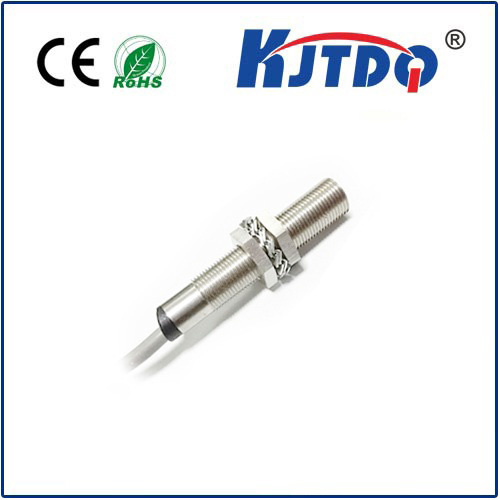
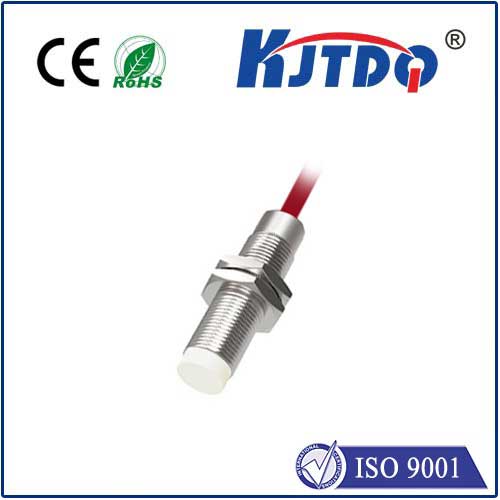
In the demanding world of industrial automation and heavy machinery, the margin for error is virtually zero. Equipment failure due to undetected pressure anomalies or component misalignment can lead to catastrophic downtime, safety hazards, and significant financial loss. This is where precision sensing technology becomes the unsung hero of the production line. Among the critical components ensuring seamless operation is the HR182-15-601.5E2 High Pressure Proximity Sensor, a device engineered to deliver unwavering reliability in the most challenging environments.
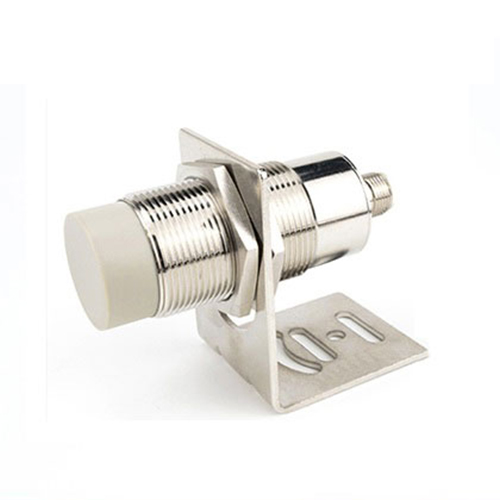
Unlike standard sensors, the HR182-15-601.5E2 is specifically designed to operate under extreme pressure conditions. Its robust construction begins with a high-grade stainless steel housing, providing exceptional resistance to corrosion, physical impact, and the ingress of fluids or particulates. This durability is non-negotiable in industries such as hydraulic systems control, die-casting machinery, plastic injection molding, and high-pressure pump monitoring, where sensors are constantly exposed to oil, coolant, and intense mechanical stress.
The core functionality of this proximity sensor lies in its ability to detect the presence or absence of a metallic target without any physical contact. Utilizing a ruggedized inductive sensing principle, the HR182-15-601.5E2 generates an electromagnetic field. When a ferrous metal object enters this field, it causes a change in the oscillation amplitude, which the sensor's internal circuitry detects and converts into a clear, switch-like output signal. This non-contact operation is key to its longevity, eliminating the wear and tear associated with mechanical limit switches.
What truly sets the HR182-15-601.5E2 apart are its performance specifications tailored for high-pressure applications. It typically features an extended sensing range compared to conventional models, allowing for more flexible installation. Its electrical output is designed for seamless integration with standard Programmable Logic Controllers (PLCs) and industrial control systems. Furthermore, it boasts an impressive operating temperature range and high immunity to electrical noise commonly found in industrial settings, ensuring signal stability is never compromised.
The benefits of deploying this sensor are tangible and multifaceted. First and foremost is enhanced safety. By providing accurate, real-time feedback on cylinder piston position, valve status, or component placement, it prevents machine cycles from proceeding unless conditions are perfectly met, safeguarding both personnel and equipment. Secondly, it drives operational efficiency. Predictive maintenance becomes possible by monitoring system performance, allowing teams to address potential issues before they escalate into unplanned stoppages. This directly translates to increased productivity and reduced maintenance costs over the sensor's extended service life.
Installation and integration of the HR182-15-601.5E2 are straightforward, thanks to its standardized form factor and connection options. However, optimal performance requires careful consideration. Technicians must ensure proper alignment with the target, maintain the recommended sensing distance, and secure electrical connections against vibration. It is also crucial to select the correct model variant for the specific pressure rating and environmental conditions of the application.
In conclusion, the HR182-15-601.5E2 High Pressure Proximity Sensor is more than just a component; it is a critical investment in industrial resilience. Its specialized design for high-pressure, harsh environments provides a reliable foundation for automation systems where failure is not an option. For engineers and maintenance managers seeking to bolster system uptime, ensure operational safety, and protect valuable capital equipment, specifying a sensor of this caliber is a decisive step toward achieving unparalleled operational reliability and control.