check

check

check

check

check

check
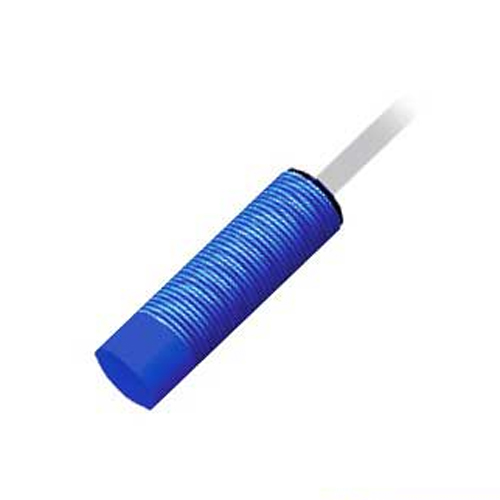
In the world of industrial automation and process control, the margin for error is razor-thin. Equipment failure or inaccurate readings in high-pressure systems can lead to catastrophic downtime, safety hazards, and significant financial loss. This is where precision sensing technology becomes not just an asset but a critical necessity. The DW-AD-503-P12-639 High Pressure Proximity Sensor stands out as a robust solution engineered specifically to deliver unwavering reliability under extreme conditions. Unlike standard sensors that may falter, this device is built from the ground up to handle the rigorous demands of environments where pressure is a constant and formidable factor.
At its core, the DW-AD-503-P12-639 is a non-contact inductive proximity sensor. Its primary function is to detect the presence or absence of metallic target objects without any physical touch. What sets the P12-639 variant apart is its specialized housing and construction, designed to withstand exceptionally high ambient pressures that would compromise ordinary sensors. This makes it an indispensable component in industries such as deep-sea equipment monitoring, high-pressure hydraulic systems, oil and gas extraction, and heavy-duty press machinery. The sensor operates by generating an electromagnetic field. When a metallic object enters this field, it causes a change in the oscillation amplitude, which is detected and converted into a clear electrical switch signal. This seamless process ensures rapid and accurate detection, crucial for maintaining cycle times and process integrity.
The engineering behind the DW-AD-503-P12-639 focuses on durability and consistent performance. The housing is typically constructed from high-grade stainless steel or similarly rugged materials, offering superior resistance to corrosion, mechanical stress, and pressure-induced deformation. The sensing face is robustly protected to prevent damage from incidental contact or particulate matter common in industrial settings. Furthermore, its electrical connections are sealed to the highest ingress protection standards, ensuring that moisture, oils, or other contaminants cannot penetrate the internal circuitry, even when submerged or exposed to high-pressure sprays. This resilience translates directly into reduced maintenance intervals and a longer operational lifespan, providing a superior return on investment.
Installation and integration of this sensor are streamlined for efficiency. Its compact and standardized form factor allows for easy mounting in space-constrained areas of machinery. The output is typically a stable PNP or NPN signal, compatible with a wide range of programmable logic controllers (PLCs), relays, and other control system components. Technicians appreciate the clear indication LEDs for power and output status, which simplify setup and troubleshooting. For optimal performance, it is crucial to follow the specified mounting guidelines, ensuring proper alignment with the target and maintaining the recommended sensing distance. This attention to correct installation maximizes the sensor's inherent accuracy and repeatability.
When selecting a sensor for high-pressure applications, several factors demand consideration. The DW-AD-503-P12-639 addresses these comprehensively. First is the rated pressure threshold; this sensor is explicitly designed for environments where pressure far exceeds normal atmospheric conditions. Second is temperature tolerance, as high pressure often coexists with temperature extremes—this sensor is built to maintain stability across a specified range. Target material and size are also key; being an inductive sensor, it is optimized for ferrous metals, and its sensing range is calibrated accordingly. Finally, the electrical requirements, such as operating voltage and current draw, are designed to align with standard industrial power supplies, ensuring seamless integration into existing systems.
The practical benefits of deploying the DW-AD-503-P12-639 are measurable. In hydraulic press lines, it ensures precise positioning of rams and platens, preventing over-travel and damage. In subsea applications, it reliably monitors valve positions and equipment status, where failure is not an option. Within chemical processing plants, it contributes to safe automation sequences where pressure vessels are involved. By providing a dependable detection signal, it enhances overall system safety, improves product quality through consistent operation, and minimizes unplanned stoppages. This reliability is the cornerstone of modern lean manufacturing and automated process goals.
In conclusion, navigating the challenges of high-pressure industrial environments requires tools that match the intensity of the conditions. The DW-AD-503-P12-639 High Pressure Proximity Sensor represents a fusion of specialized design and robust engineering. It delivers the precise, non-contact detection needed for critical automation tasks while enduring the physical stresses that would incapacitate lesser components. For engineers, maintenance managers, and system integrators seeking to bolster the reliability and safety of their high-pressure systems, this sensor offers a proven and trustworthy solution. Its performance underscores a simple principle: in demanding applications, the right sensor is not just a part—it's a pillar of operational success.