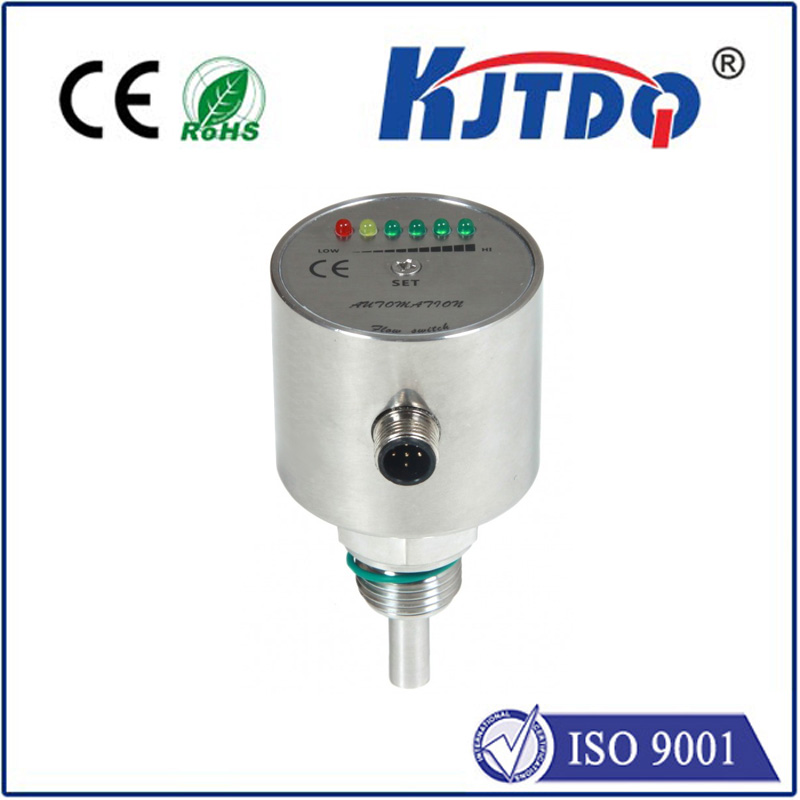
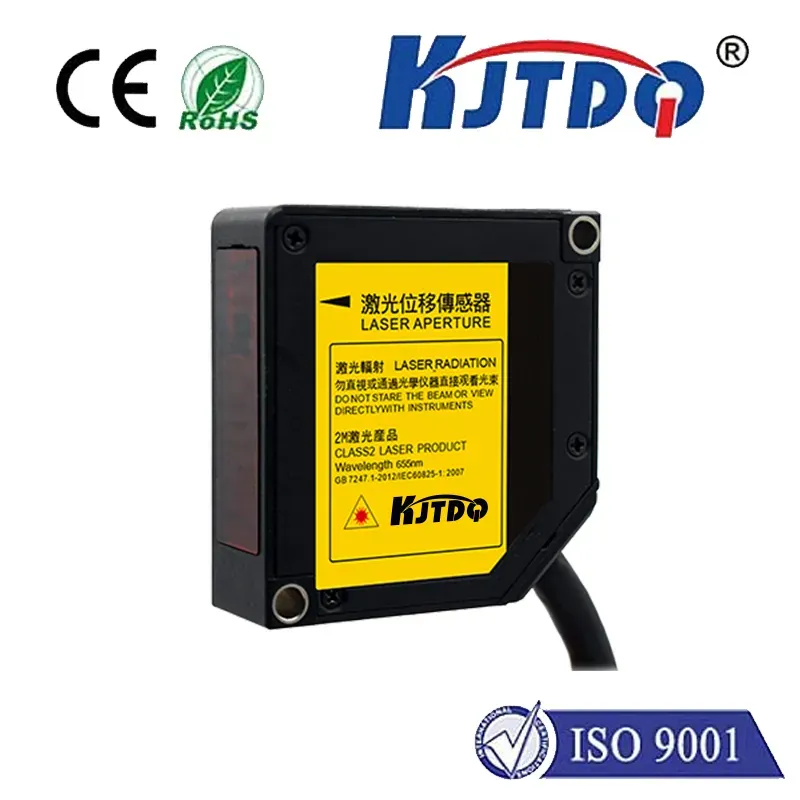
check

check

check

check

check

check
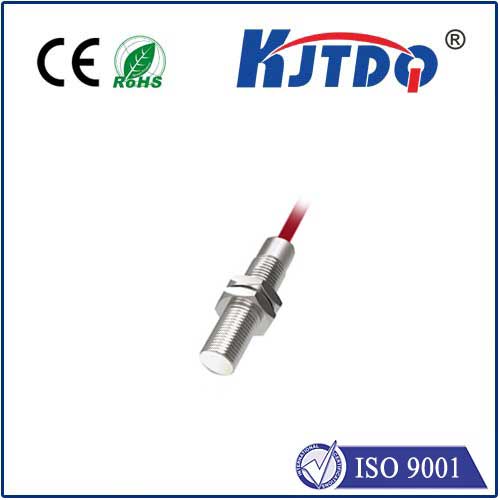
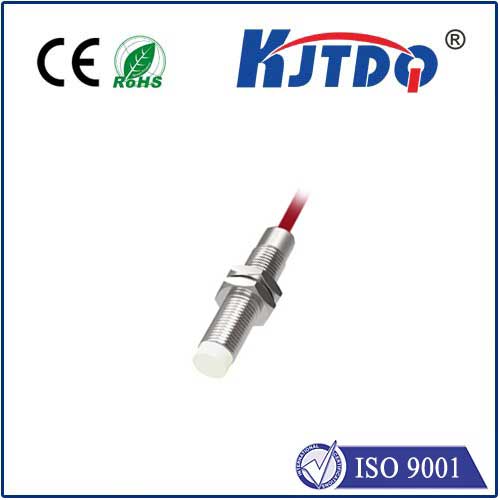
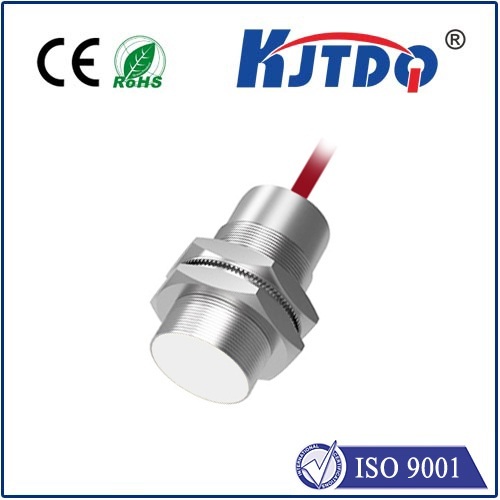
In the demanding world of industrial automation, where machinery operates under extreme conditions, the reliability of every component is paramount. Among these critical components, proximity sensors play a vital role in non-contact detection, ensuring smooth and safe operations. When the application involves high-pressure environments—such as hydraulic systems, heavy-duty presses, injection molding machines, or offshore equipment—the choice of sensor becomes even more crucial. This is where specialized solutions like the BHS002J High Pressure Proximity Sensor come into focus, offering unparalleled durability and precision where standard sensors would fail.
The core challenge in high-pressure applications is the immense force exerted on equipment. Standard inductive or capacitive proximity sensors might have their housings compromised, leading to ingress of fluids, deformation, or complete failure. The BHS002J is engineered from the ground up to withstand these relentless forces. Its robust housing, typically constructed from high-grade stainless steel like 316L, is designed to resist corrosion from aggressive hydraulic oils, seawater, or industrial chemicals. More importantly, its structural integrity is maintained under continuous high pressure, ensuring the sensing element remains perfectly calibrated and protected. This resilience directly translates to reduced downtime, as the sensor can endure the harsh conditions without frequent replacement or maintenance.
Beyond mere survival, the BHS002J delivers consistent and accurate detection performance. It utilizes a ruggedized sensing technology—often a high-performance inductive principle—that is insensitive to the presence of target material contaminants like oil, dirt, or coolant films. This is essential in messy industrial settings where clean surfaces are a rarity. The sensor provides a stable switching signal, whether detecting the position of a piston in a hydraulic cylinder, monitoring valve closure, or ensuring a mold is securely in place before a high-pressure cycle begins. This reliability is the foundation for precise process control, preventing costly errors, jams, or potential safety hazards.
Installation and integration are also key considerations. The BHS002J is designed for practicality in tight, challenging spaces common in hydraulic and press machinery. It often features compact dimensions and various mounting options, such as threaded barrels or flange mounts, allowing for flexible integration into existing system designs. Its electrical connections are securely sealed, preventing moisture or fluid ingress that could cause short circuits. Compatibility with standard industrial voltage ranges (e.g., 10-30V DC) and output types (PNP/NPN, NO/NC) ensures it can be easily connected to PLCs (Programmable Logic Controllers) or other control systems without the need for complex interfaces.
The operational benefits of deploying a sensor like the BHS002J are significant. First and foremost is enhanced system safety. By reliably confirming the position of critical components under high pressure, it prevents unintended machine movements that could lead to equipment damage or operator injury. Secondly, it boosts productivity. Consistent and fail-safe detection minimizes cycle time errors and production stoppages, leading to higher output and better overall equipment effectiveness (OEE). Finally, it offers long-term cost efficiency. While the initial investment might be higher than a standard sensor, its extended service life and minimal maintenance requirements result in a lower total cost of ownership, saving money on replacements and labor over years of operation.
When selecting a high-pressure proximity sensor, it is vital to specify the exact requirements: the maximum pressure rating, the media type (oil, water, etc.), temperature range, required sensing distance, and electrical specifications. The BHS002J model represents a category of sensors built to meet these stringent demands. It is not just a sensor; it is a dedicated component for mission-critical applications where failure is not an option. For engineers and maintenance managers overseeing hydraulic systems, stamping presses, die-casting machines, or any equipment operating under high pressure, choosing a purpose-built sensor like this is a strategic decision for ensuring reliability, safety, and continuous production.