check

check

check

check

check

check
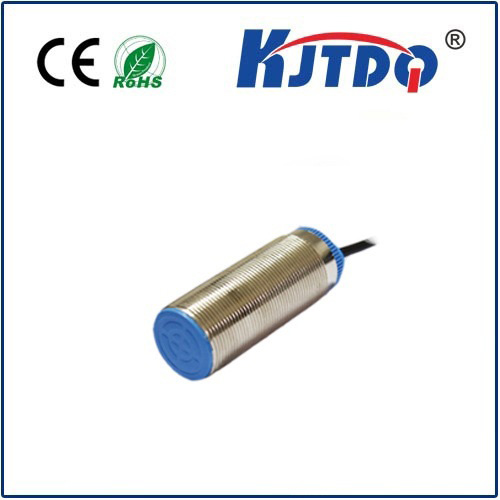
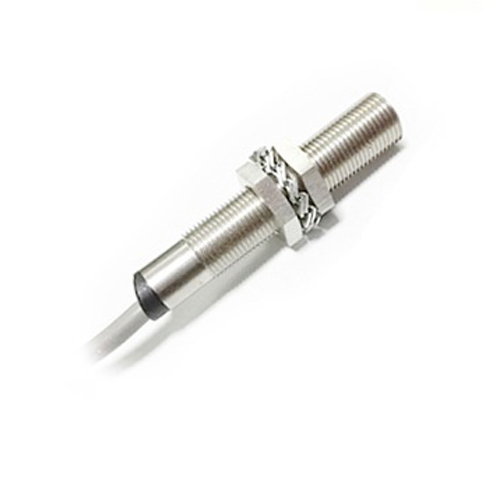
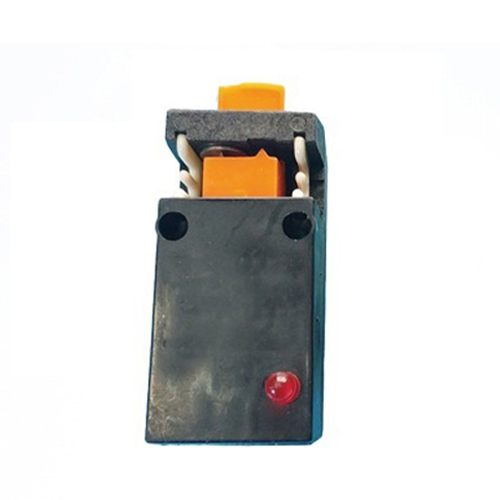
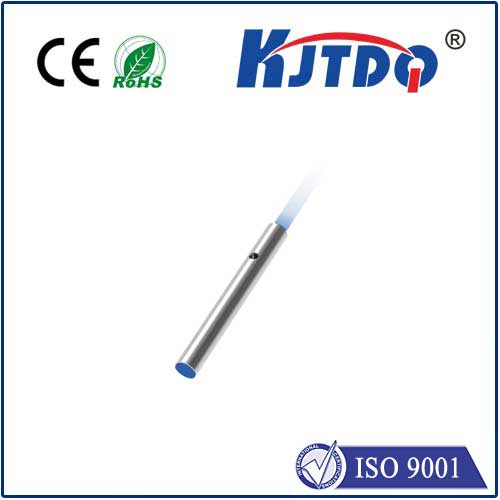
In the relentless world of industrial automation, where machinery operates under extreme pressures and within unforgiving environments, the reliability of every component is non-negotiable. Sensor failure can lead to catastrophic downtime, safety hazards, and significant financial loss. This is where precision-engineered components like the BHS007K BES 516-300-S342-S4-N High Pressure Proximity Sensor step into the spotlight, offering unparalleled performance where it matters most. Designed to excel in high-pressure hydraulic and pneumatic systems, this sensor represents a critical advancement in non-contact detection technology.
The core function of the BHS007K BES 516-300-S342-S4-N is to provide accurate, wear-free position sensing of metallic targets—such as pistons, cylinders, or valves—within high-pressure chambers. Unlike mechanical limit switches that suffer from physical wear and tear, this inductive proximity sensor operates without any physical contact. It generates an electromagnetic field, and when a metallic target enters this field, it induces eddy currents, causing the sensor to switch its output state. This fundamental principle allows for millions of reliable switching cycles, ensuring long-term operational stability. The “High Pressure” designation is not merely a label; it signifies a robust construction capable of withstanding the intense internal pressures found in systems like injection molding machines, die-casting equipment, heavy-duty presses, and offshore hydraulic power units.
What truly sets the BHS007K model apart is its specific design tailored for integration directly into high-pressure zones. The sensor housing and sealing are engineered to resist ingress from hydraulic oils, coolants, and other aggressive media while maintaining integrity under constant pressure stress. The “S4” in its part number often denotes a particular electrical connection or output configuration, typically a quick-disconnect plug, facilitating easier installation and maintenance. The sensing face is designed to be flush-mountable, allowing it to be installed directly into a threaded port on a cylinder or manifold without interfering with the internal moving parts. This compact and rugged design minimizes the risk of damage from vibration or shock, common in heavy industrial settings.
The benefits of deploying this specialized sensor are substantial. First and foremost is enhanced system reliability. By providing a precise digital signal for cylinder end-position detection or valve spool positioning, it enables accurate control logic, preventing over-travel and optimizing cycle times. This directly translates to increased machine productivity and reduced waste. Secondly, its maintenance-free operation eliminates the costs and labor associated with replacing worn-out mechanical switches. The sealed construction also contributes to higher overall system safety by preventing leaks and potential fluid ingress that could lead to sensor failure or electrical shorts.
For engineers and maintenance professionals, selecting the right sensor is paramount. The BHS007K BES 516-300-S342-S4-N is specified for applications where standard sensors would quickly fail. When integrating this sensor, considerations include the specific pressure rating (which should exceed the system's maximum operating pressure), the target material (ferrous metals like steel or iron are ideal), the required sensing distance, and the electrical compatibility (e.g., PNP/NPN, voltage rating) with the existing control system. Proper installation following manufacturer guidelines—including correct torque specifications for threading and ensuring a clean, debris-free environment—is crucial to achieving its rated performance and longevity.
In conclusion, the BHS007K BES 516-300-S342-S4-N High Pressure Proximity Sensor is more than just a component; it is a strategic investment in operational excellence for harsh industrial environments. Its ability to deliver consistent, accurate feedback under extreme pressure conditions makes it an indispensable tool for modern manufacturing, processing, and heavy machinery. By ensuring precise positional control and eliminating points of mechanical failure, it empowers industries to push the boundaries of efficiency and reliability, safeguarding both equipment and productivity in the most demanding applications.