check

check

check

check

check

check
In the world of industrial automation and process control, reliable sensing under extreme conditions is not just a preference—it's an absolute necessity. The MGT203 High Pressure Proximity Sensor stands out as a critical component engineered specifically for this challenge. Designed to operate flawlessly in environments where standard sensors would fail, this device represents a significant leap in sensing technology for high-pressure applications.
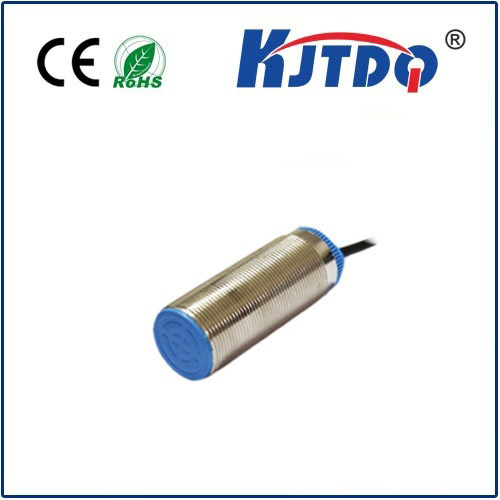
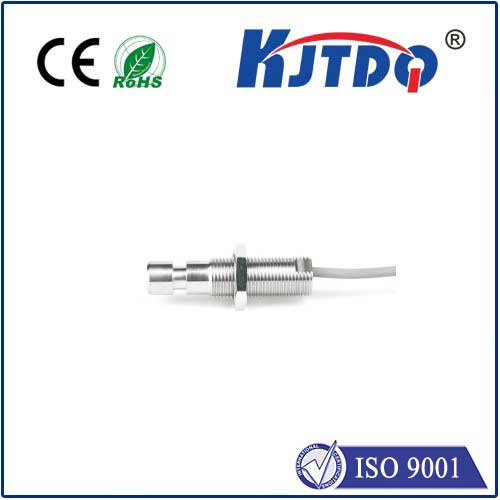
The core function of the MGT203 is non-contact detection of metallic objects. Unlike mechanical switches or other contact-based methods, it uses an inductive sensing principle. This means it generates an electromagnetic field. When a metal target enters this field, it causes a change that the sensor's sophisticated electronics detect, triggering an output signal. The "High Pressure" designation is key. This sensor is built with a hermetically sealed, robust housing, often constructed from high-grade stainless steel, capable of withstanding pressures that would compromise ordinary sensors. This makes it indispensable in hydraulic systems, high-pressure die-casting machines, injection molding equipment, and subsea applications where pressure ratings can exceed several hundred bar.
One of the primary advantages of the MGT203 is its unwavering reliability. The non-contact nature eliminates mechanical wear and tear, leading to a dramatically longer operational lifespan compared to limit switches. There is no physical contact with the target, so there's no risk of damage to either the sensor or the object being detected. This translates directly to reduced maintenance costs, less unplanned downtime, and higher overall equipment effectiveness (OEE). For industries where production continuity is paramount, such as automotive manufacturing or heavy machinery, this reliability is a game-changer.
Furthermore, the sensor offers exceptional precision and repeatability. It can detect targets with millimeter accuracy, ensuring consistent performance in positioning, counting, or end-position detection tasks. This precision remains stable even when subjected to vibrations, temperature fluctuations, or the presence of contaminants like oil, coolant, or dust—common challenges in industrial settings. The MGT203 is typically designed to be resistant to these harsh conditions, often featuring high IP (Ingress Protection) and IK (Impact Protection) ratings.
Installation and integration are streamlined for ease of use. Many models come with various output options (like PNP/NPN or analog) and connection types (e.g., M12 connectors) to seamlessly fit into existing control systems, including PLCs. Its compact design allows for installation in tight spaces where monitoring is crucial but room is limited. When selecting an MGT203 sensor, engineers must consider key parameters such as the sensing distance, the type of metal being detected (as different metals affect the sensing range), the required pressure rating, the operating voltage, and the temperature range of the application environment.
The applications for the MGT203 High Pressure Proximity Sensor are vast and varied. In hydraulic press control, it ensures cylinder position is accurately monitored under immense force. In plastic injection molding machines, it verifies mold closure securely before high-pressure injection begins. Within the oil and gas sector, it performs critical tasks on drilling equipment and pipeline valves. It also plays a vital role in test stands for automotive components, where systems are subjected to extreme pressure cycles.
In conclusion, the MGT203 is more than just a sensor; it is a robust and intelligent solution for mission-critical detection. By combining high-pressure resilience with inductive sensing reliability, it provides a layer of safety, precision, and durability that modern industry demands. For system designers and maintenance engineers looking to enhance the robustness and efficiency of their high-pressure machinery, specifying the MGT203 High Pressure Proximity Sensor is a strategic decision that safeguards productivity and protects valuable capital equipment from the risks associated with sensor failure in punishing operational conditions.