check

check

check

check

check

check
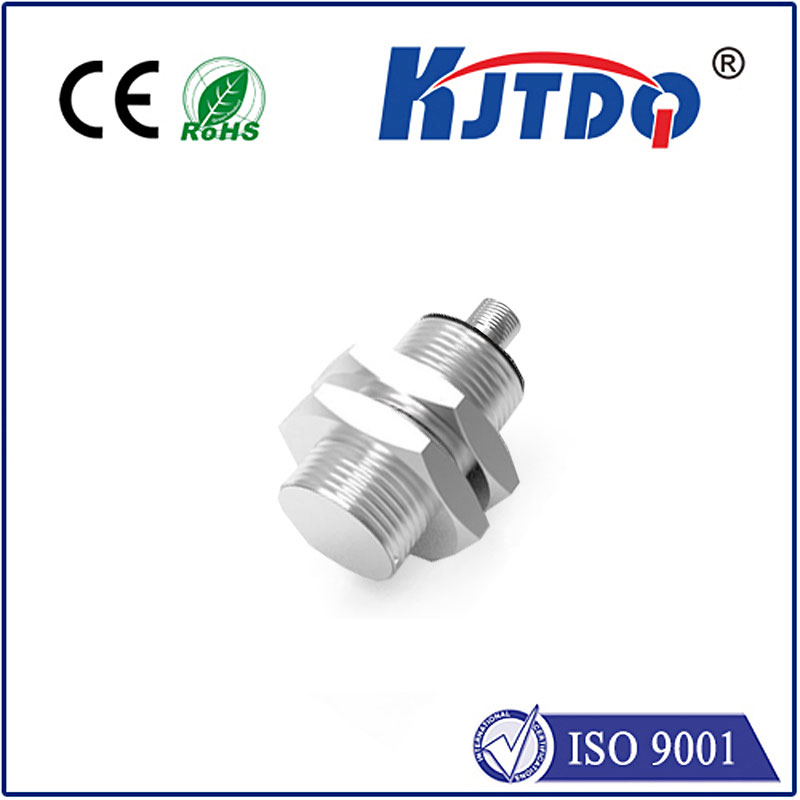
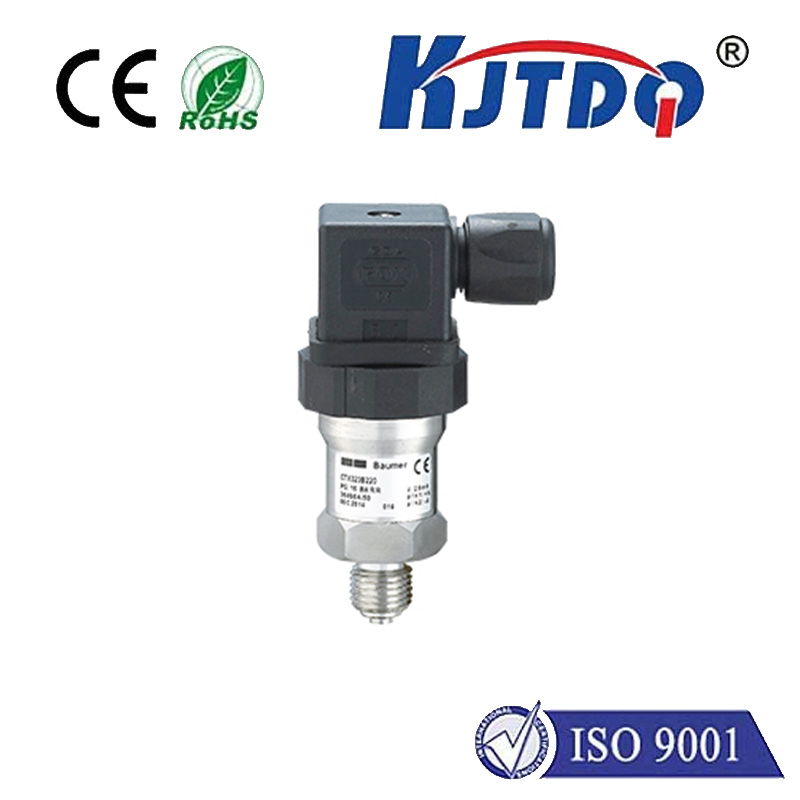
In the complex and often unforgiving world of industrial automation, the reliability of every component is paramount. Among these critical components, proximity sensors play a pivotal role in ensuring seamless operations, safety, and efficiency. When applications involve extreme conditions—such as high-pressure washdowns, hydraulic systems, or submerged environments—standard sensors often fall short. This is where the DW-AS-503-P20 High Pressure Proximity Sensor steps in, engineered specifically to deliver unwavering performance where others cannot.
The DW-AS-503-P20 is not merely an incremental improvement; it represents a dedicated design philosophy focused on resilience. Its core strength lies in its robust housing, constructed from high-grade stainless steel capable of withstanding pressures that would compromise conventional sensors. This construction ensures that the sensor remains fully operational and hermetically sealed, protecting its sensitive internal electronics from ingress by liquids, oils, and particulate matter. The result is a device that maintains exceptional detection accuracy and repeatability, even when subjected to the intense spray of high-pressure cleaning systems common in food processing, pharmaceutical manufacturing, and heavy machinery maintenance.
Beyond its physical durability, the sensor incorporates advanced sensing technology. Utilizing a high-frequency oscillation principle, it provides non-contact detection of metallic objects with remarkable precision. The sensing distance is consistent and reliable, minimizing false triggers and downtime—a critical factor in high-speed production lines. Its P20 rating signifies a specific level of pressure resistance, making it a go-to choice for integration directly into hydraulic cylinders, pump systems, or any machinery where the sensor body is exposed to significant fluid pressure. Installation and maintenance are streamlined thanks to its standardized housing dimensions and stable output signal, compatible with most mainstream PLCs and control systems.
Operational longevity is another cornerstone of the DW-AS-503-P20's value proposition. The materials selected for its diaphragm and seals are resistant to corrosion and degradation from chemicals and temperature fluctuations. This translates to a dramatically extended service life, reducing the total cost of ownership by minimizing replacement frequency and associated labor costs. For plant managers and engineers, this reliability translates directly into enhanced operational uptime and predictable maintenance schedules.
Real-world applications vividly demonstrate its capabilities. In a marine engineering setting, these sensors monitor piston positions within hydraulic actuators on deck machinery, enduring constant exposure to saltwater spray and high dynamic loads. In an automated bottling plant, they reliably count containers on conveyor lines that undergo aggressive daily sanitation cycles with high-temperature, high-pressure caustic cleaners. In each scenario, the DW-AS-503-P20 provides the dependable data backbone necessary for automated control, ensuring processes run smoothly without human intervention.
Selecting the right sensor for high-pressure applications requires careful consideration of several parameters: the maximum pressure rating, the chemical compatibility of the wetted materials, the required sensing range, and the electrical output type. The DW-AS-503-P20 is meticulously documented with clear specifications, allowing engineers to match it precisely to their application's demands. Its design eliminates common failure points, offering peace of mind in environments where sensor failure can lead to costly production halts or safety incidents.
Ultimately, the DW-AS-503-P20 High Pressure Proximity Sensor is more than just a component; it is a strategic asset for any operation facing harsh environmental challenges. It embodies a commitment to precision engineering that pushes the boundaries of what is possible in industrial sensing. By delivering consistent performance under duress, it empowers businesses to optimize their processes, safeguard their equipment, and achieve new levels of productivity and reliability. In an era where efficiency and resilience are non-negotiable, investing in such purpose-built technology is not just an option—it is a necessity for staying competitive and secure in the global industrial landscape.