check

check

check

check
check
check
check
check

check
check
In the high-stakes world of industrial automation and process control, equipment reliability is non-negotiable. Harsh environments characterized by extreme pressures, temperature fluctuations, and potential contaminants demand sensors that are not just accurate, but exceptionally robust. The BES 516-300-S156-S4-D, often identified by its order code BHS001Y, stands as a premier example of engineering designed to meet these rigorous challenges head-on. This high-pressure inductive proximity sensor is engineered for precision and durability where it matters most.
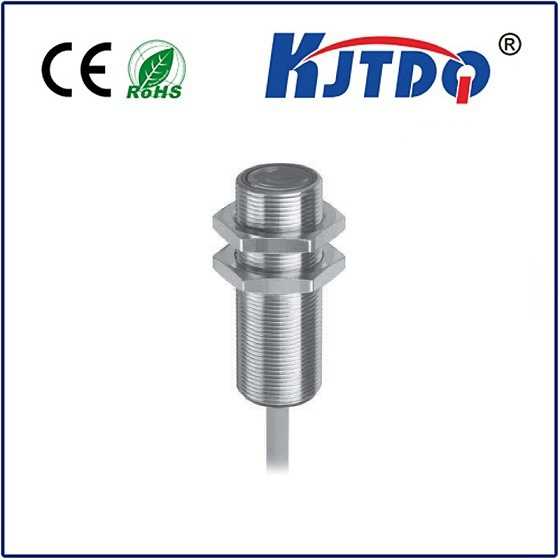
At its core, the BES 516-300-S156-S4-D is a cylindrical inductive sensor built to detect metallic objects without physical contact. Its defining characteristic is its capability to operate reliably in environments with significantly elevated pressure levels. This makes it an indispensable component in applications such as hydraulic systems, die-casting machines, plastic injection molding equipment, and within the oil and gas industry. In these settings, standard sensors might fail due to seal compromise or housing deformation, but the reinforced design of this model ensures consistent performance. The sensor housing and sealing are specifically constructed to withstand the mechanical stresses induced by high ambient pressure, preventing media ingress and ensuring long-term functional integrity.
The technical designation provides key insights into its capabilities. The "S156" in the part number typically refers to a specific electrical connection type—in this case, a 4-pin M12 connector with a plug, offering quick and secure installation. The "S4" often denotes a Normally Open (NO) switching function. This configuration is highly versatile, allowing for seamless integration into various control circuits for tasks like position verification, end-position detection, or counting. The sensor operates on a standard DC supply voltage, providing a stable PNP switching signal to the connected controller, such as a PLC.
One of the critical advantages of the BES 516-300-S156-S4-D is its resilience. Beyond high pressure, it is typically rated with a high degree of ingress protection (e.g., IP67 or higher), making it resistant to dust and temporary immersion in water. This dual resistance to pressure and environmental factors minimizes downtime and maintenance costs. For engineers and maintenance teams, this translates to fewer sensor replacements, reduced production interruptions, and enhanced overall system safety. The precise sensing distance, while standardized, provides a reliable detection window for machine components, ensuring repeatable processes.
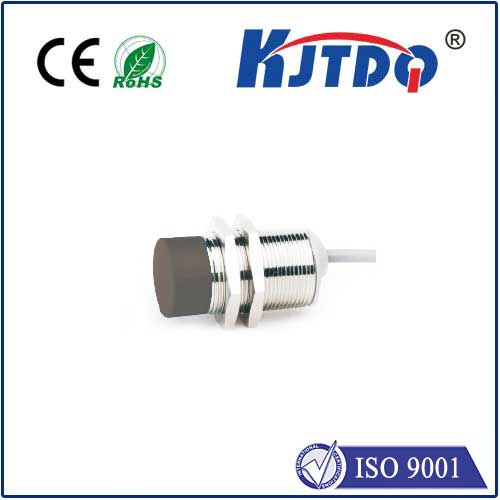
When selecting a sensor for demanding applications, compatibility and specifications are paramount. The BHS001Y variant is designed to integrate smoothly with control systems from major automation manufacturers. Its robust stainless steel or nickel-plated brass housing resists corrosion from coolants, oils, and other aggressive media commonly found in industrial plants. Installation is straightforward, facilitated by its standard M30 housing diameter, allowing it to fit into common mounting brackets and fixtures. For plant managers and system integrators, this sensor represents a reliable, off-the-shelf solution that eliminates guesswork and mitigates risk in critical automation loops.
Ultimately, the value of the BES 516-300-S156-S4-D (BHS001Y) high-pressure proximity sensor is measured in operational continuity and precision. It is not merely a component but a safeguard for productivity. By choosing a sensor engineered for extreme conditions, businesses protect their capital investment in machinery, ensure the safety of their processes, and maintain the high quality of their output. In sectors where a single sensor failure can lead to significant financial loss, deploying proven, high-performance components like this one is a strategic decision for sustainable and efficient industrial operation.