check

check

check

check

check

check
In the demanding world of industrial automation and process control, the reliability and precision of sensing technology are non-negotiable. Among the myriad of components that keep complex machinery running smoothly, proximity sensors play a pivotal role. Today, we delve deep into the KGG18P3BPC-Ls, a high-pressure proximity sensor engineered to excel in the most challenging environments. This guide explores its core technology, standout features, and the critical applications where it proves indispensable.
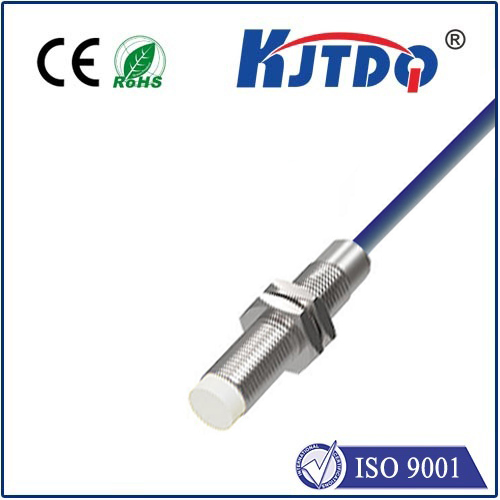
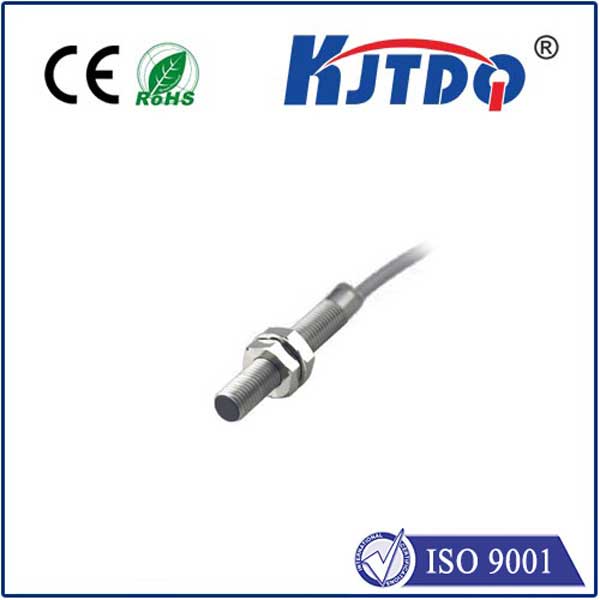
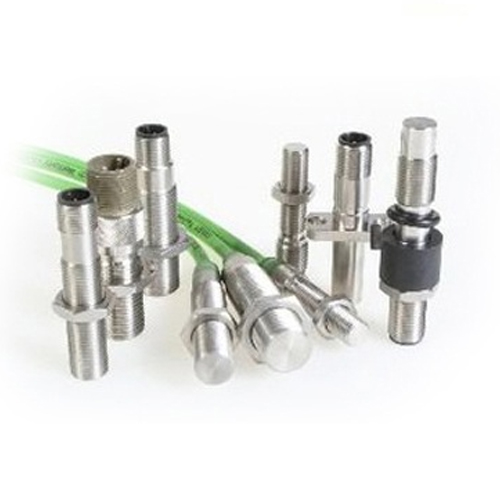
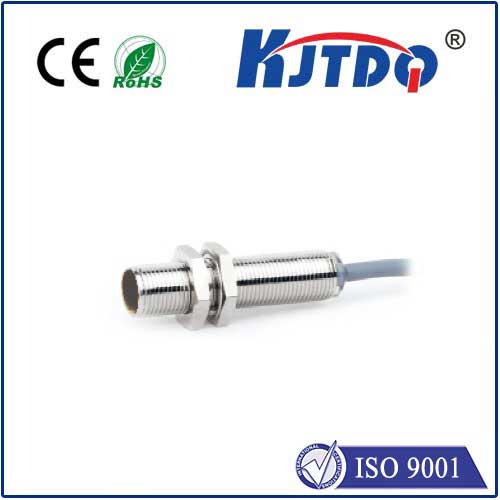
At its heart, the KGG18P3BPC-Ls is an inductive proximity sensor. Unlike standard sensors, it is specifically designed to withstand exceptionally high-pressure conditions, often found in hydraulic systems, die-casting machines, and high-pressure cleaning equipment. The "Ls" designation typically indicates a particular housing material or sealing standard, often a robust stainless steel body coupled with advanced sealing technologies like PTFE or special elastomers. This construction is not just about durability; it's about maintaining signal integrity and switching accuracy when external pressures could compromise a lesser device.
The defining characteristic of this sensor is its ability to operate reliably under high ambient pressure. Standard inductive sensors might falter or provide false signals when subjected to pressures that can deform housings or affect the internal oscillator circuit. The KGG18P3BPC-Ls is built to resist this. Its hermetically sealed design prevents media (like hydraulic oil or pressurized water) from penetrating the sensing head or electronics compartment. This ensures consistent detection of metallic targets—whether it's a piston position in a hydraulic cylinder or a mold clamp in an injection molding machine—regardless of the intense pressure surrounding it.
Beyond pressure resistance, the sensor boasts several key performance features. It typically offers a stable sensing range, precise repeatability, and a high switching frequency, making it suitable for dynamic, fast-paced automation tasks. Many models come with LED status indicators for easy diagnostics, a critical feature when the sensor is buried deep within machinery. Its electrical output is usually a stable PNP or NPN signal, compatible with standard programmable logic controllers (PLCs). The robust housing provides high immunity to electromagnetic interference (EMI) and vibration, common culprits of sensor failure in industrial settings.
So, where does the KGG18P3BPC-Ls make the most impact? Its primary domain is in high-pressure fluid power applications. In hydraulic presses, it accurately detects cylinder end positions, ensuring precise control over force and movement, which is vital for metal forming or laminating processes. Within die-casting and plastic injection molding machines, it monitors mold clamping force and ejector pin positions, directly contributing to product quality and cycle time. Furthermore, it finds use in heavy-duty machine tools, offshore equipment, and automated high-pressure washing systems, where exposure to water, oil, and extreme pressure is constant.
Selecting and installing this sensor requires attention to detail. Engineers must confirm the specific pressure rating (often in bar or psi) to match their system's maximum operating pressure. The chemical compatibility of the sensor face and seals with the surrounding media (e.g., specific hydraulic oils) is another crucial check. Proper mounting, ensuring the correct sensing distance and alignment with the target, is essential for optimal performance. Shielding the cable from mechanical damage and electrical noise in the cabinet completes a reliable installation.
In conclusion, the KGG18P3BPC-Ls High Pressure Proximity Sensor is far more than a simple switch. It is a specialized solution for a critical problem. By providing unwavering detection accuracy under extreme physical stress, it enhances machine safety, optimizes process efficiency, and reduces costly downtime. For system integrators and maintenance engineers working on the front lines of heavy industry, understanding and utilizing this robust sensor is key to building resilient and high-performing automation systems. When the pressure is on, the right sensor makes all the difference.