check

check

check

check

check

check
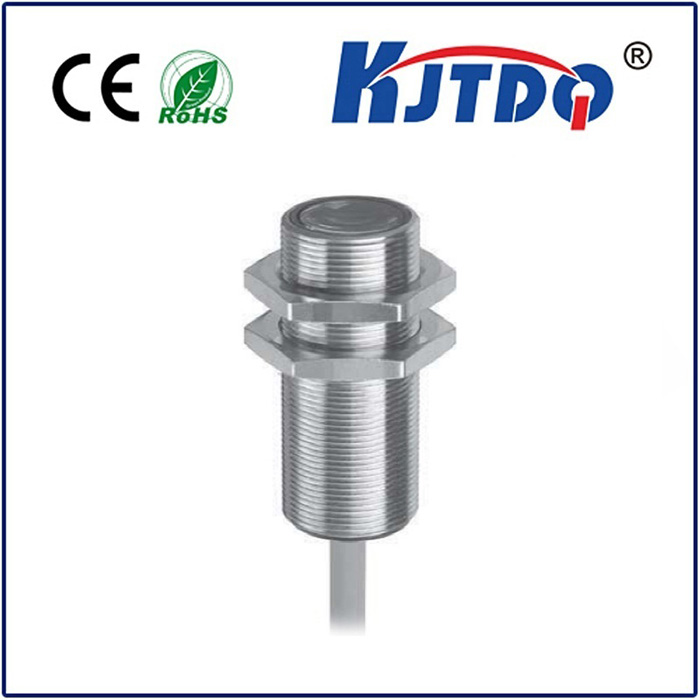
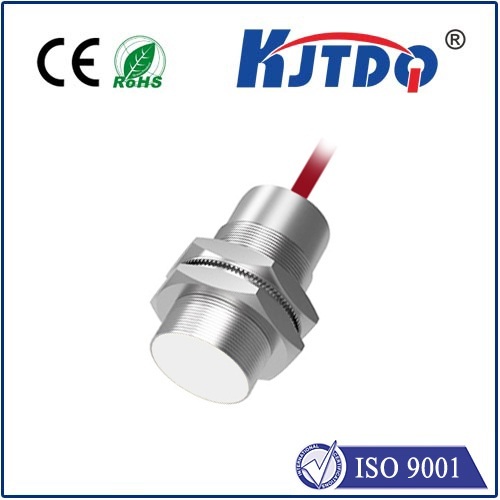
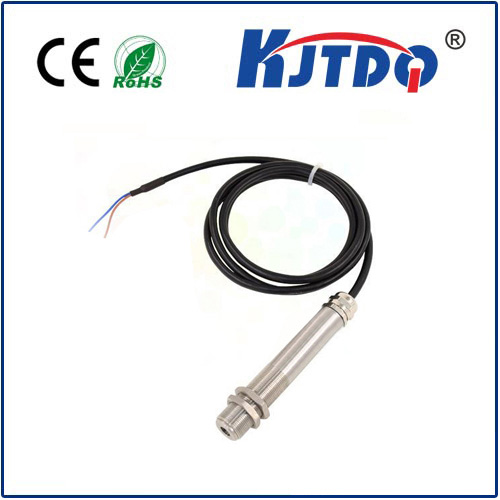
In the world of industrial automation and process control, reliability is not just a feature; it's the foundation. Harsh environments characterized by extreme pressures, temperature fluctuations, and potential physical impacts demand sensing solutions that are built to endure. The TJ1815AE65N2 High Pressure Proximity Sensor emerges as a definitive answer to these challenges, engineered to deliver unwavering performance where others might fail.
At its core, the TJ1815AE65N2 is designed for applications involving high-pressure fluids and gases. Its robust housing and specialized sealing mechanisms are constructed to withstand significant pressure spikes and continuous high-pressure conditions without compromising its sensing integrity. This makes it an indispensable component in hydraulic systems, heavy machinery, oil and gas extraction equipment, and high-pressure manufacturing processes. The sensor's ability to maintain accurate detection and switching even under such stress directly translates to enhanced system safety, reduced downtime, and protection for valuable downstream components.
The operational principle of this sensor is based on a ruggedized inductive or capacitive sensing element, shielded and calibrated for high-pressure environments. It detects the presence or absence of a metallic or specified target without any physical contact. This non-contact operation is crucial, as it eliminates mechanical wear and tear, ensuring a long operational lifespan even in demanding cycles. The TJ1815AE65N2 typically features a high switching frequency and precise repeatability, providing consistent feedback for critical control loops. Its output is often a stable digital signal, compatible with standard PLCs and control systems, facilitating easy integration into existing automation architectures.
Beyond its pressure resilience, the sensor is frequently built to contend with other environmental aggressors. Many variants offer impressive ingress protection ratings, safeguarding internal electronics from dust, moisture, and even temporary immersion. Extended temperature range capabilities ensure functionality from freezing cold to intense heat, common in outdoor or foundry applications. The housing material is often stainless steel or a similarly durable alloy, providing excellent resistance to corrosion from chemicals, saltwater, or industrial solvents.
The practical benefits of deploying the TJ1815AE65N2 are substantial. For maintenance engineers and plant managers, it means a significant reduction in sensor-related failures. Its durability minimizes the frequency of replacements, lowering both spare parts inventory costs and labor hours spent on maintenance. For process engineers, the sensor's reliability ensures data integrity from the edge, leading to more precise control, optimized process parameters, and consistent product quality. In safety-critical applications, such as monitoring pressure vessel positions or machine guard interlocking, its fail-safe design and robust construction contribute directly to a safer working environment.
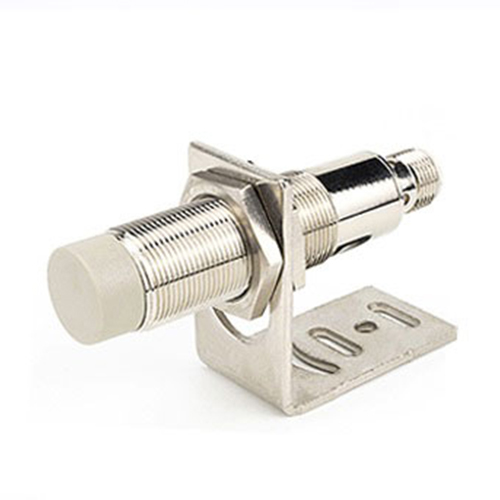
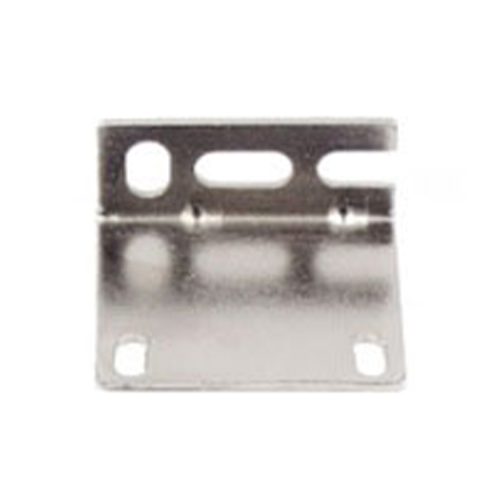
Installation and setup are streamlined for efficiency. Many models come with versatile mounting options—threaded barrels, flange mounts, or bracket systems—allowing for flexible integration into tight or complex machinery layouts. LED status indicators provide clear visual confirmation of power and output state, simplifying commissioning and troubleshooting. Choosing the correct model involves considering key parameters: the specific pressure rating, sensing distance, target material, output type (PNP/NPN, NO/NC), and required electrical connection.
When selecting a high-pressure proximity sensor, the TJ1815AE65N2 series stands out for its dedicated engineering. It represents a move away from standard sensors pushed to their limits and toward a purpose-built solution. It is the preferred choice for industries where equipment must perform relentlessly under physical duress, including marine engineering, mining, chemical processing, and automotive press lines. By investing in such a robust sensing solution, businesses secure not just a component, but a pillar of operational stability, ensuring that their automated systems can withstand the pressures of modern industry, day in and day out.