check

check

check

check

check

check
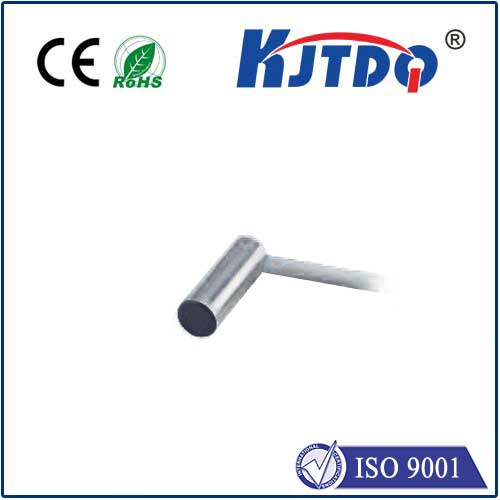
In the demanding world of industrial automation, where machinery operates under extreme pressures and in unforgiving conditions, sensor failure is not an option. It can lead to costly downtime, compromised safety, and significant production losses. This is where the DW-AS-503-P20G High Pressure Proximity Sensor steps in, engineered specifically to deliver unwavering reliability where ordinary sensors falter. This robust device represents a critical advancement in sensing technology, designed to perform flawlessly in applications involving high-pressure washdowns, hydraulic systems, and submerged operations.
The core challenge in high-pressure environments is the relentless force exerted on sensor housings and seals. Standard sensors often succumb to ingress, leading to internal damage and signal failure. The DW-AS-503-P20G is built to withstand this assault. Its defining feature is an exceptionally rugged stainless-steel housing, hermetically sealed to resist pressures far exceeding those found in typical industrial settings. This construction ensures that neither high-pressure jets during cleaning cycles nor the constant immersion in hydraulic fluid can penetrate the sensor's interior. The result is an extended operational lifespan and a dramatic reduction in maintenance-related interruptions, providing plant managers with peace of mind and a stronger bottom line.
Beyond its physical resilience, the sensor excels in performance accuracy. Utilizing a high-precision sensing element, the DW-AS-503-P20G provides stable and repeatable detection of metallic targets. Whether monitoring piston position within a hydraulic cylinder, detecting the presence of a valve component, or ensuring a robotic arm is in its home position, the sensor delivers consistent, millisecond-accurate feedback. This reliability is crucial for maintaining the tight tolerances and synchronized movements required in modern automated assembly lines and heavy machinery. The P20G variant often incorporates advanced features like short-circuit protection, reverse polarity protection, and immunity to electromagnetic interference, ensuring signal integrity even in electrically noisy environments.
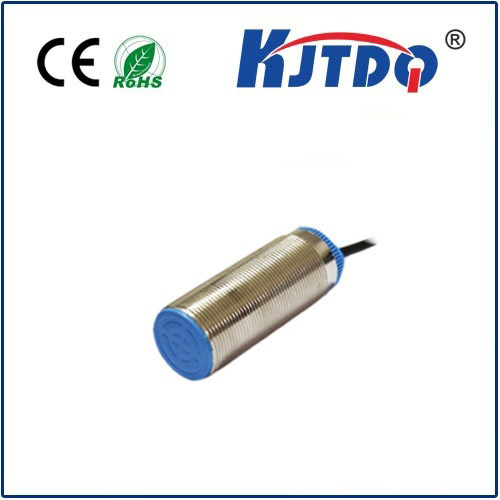
Installation and integration are streamlined for efficiency. The sensor typically comes with a versatile mounting form factor, such as a compact cylindrical design with standard threads, allowing for easy integration into existing machine frameworks. Its output is compatible with standard programmable logic controller (PLC) inputs, requiring minimal configuration. This plug-and-play philosophy reduces installation time and complexity, allowing maintenance teams to deploy or replace units quickly, further minimizing system downtime. The robust wiring and connector options are designed to withstand vibration and mechanical stress, common in high-pressure applications.
The practical applications for the DW-AS-503-P20G are vast and critical across multiple sectors. In the food and beverage industry, it reliably operates in machines subjected to daily high-pressure, high-temperature sanitization cycles. Within metalworking and stamping presses, it detects component position amidst intense vibration and hydraulic pressure fluctuations. In offshore oil and gas equipment or marine systems, it functions reliably despite exposure to saltwater and extreme pressures. For original equipment manufacturers (OEMs) building machinery for these sectors, specifying a sensor like the DW-AS-503-P20G is a strategic decision that enhances the overall durability and marketability of their equipment.
Ultimately, selecting a sensor is an investment in system integrity. The DW-AS-503-P20G High Pressure Proximity Sensor transcends being merely a component; it is a dedicated safeguard for continuous operation. It addresses the core industrial needs of durability, precision, and ease of use under duress. By choosing this hardened sensor, engineers and facility managers are not just solving a detection problem—they are proactively eliminating a key point of failure, ensuring their processes run smoother, safer, and more profitably, day after day, under pressure.