check

check

check

check

check

check
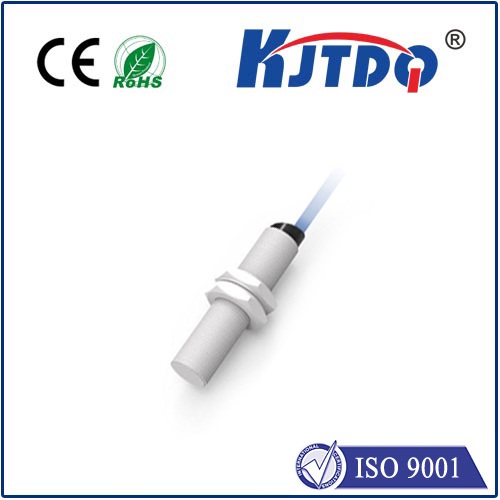
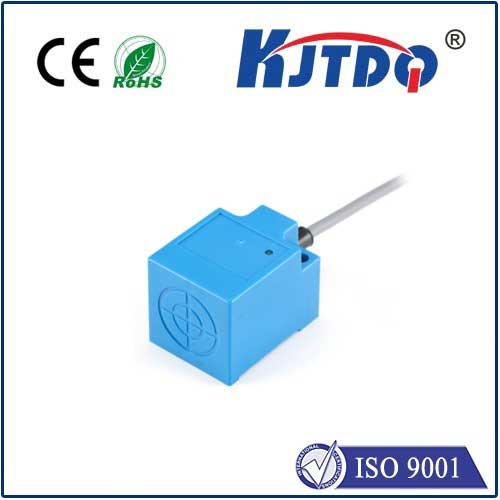
In the realm of industrial automation and process control, the ability to accurately detect objects or measure positions under extreme conditions is paramount. The KGG10P3KPC High Pressure Proximity Sensor stands as a robust solution engineered to deliver unwavering performance in high-pressure environments where standard sensors would falter. This device represents a critical component for industries ranging from hydraulic systems and heavy machinery to offshore operations and high-pressure testing facilities.
The core strength of the KGG10P3KPC lies in its specialized construction. Unlike conventional inductive or capacitive sensors, this model is meticulously designed to withstand substantial external pressure without compromising its sensing accuracy or operational integrity. The housing is typically crafted from high-grade stainless steel or similarly durable materials, providing exceptional resistance to mechanical stress, corrosion, and ingress from fluids or particulates. This rugged build ensures longevity and reduces maintenance needs, even in the most punishing applications such as inside hydraulic cylinders, press machines, or subsea equipment.
Operational reliability is a non-negotiable feature. The sensor utilizes a proven sensing technology, often based on a magnetostrictive or specially shielded inductive principle, that remains stable despite fluctuations in surrounding pressure. This consistency is vital for processes where precision is directly tied to product quality and operational safety. The KGG10P3KPC typically offers a defined sensing range, with a high repeat accuracy, ensuring that it triggers or measures at the exact same point every cycle. This repeatability minimizes production variances and prevents costly errors or machine downtime.
Installation and integration are streamlined for efficiency. The sensor is designed with standard electrical connections and mounting threads, facilitating easy retrofitting into existing systems or incorporation into new designs. Many variants come with integrated electronics that provide stable output signals—such as PNP, NPN, or analog 4-20mA—compatible with mainstream PLCs (Programmable Logic Controllers) and control systems. This plug-and-play capability significantly reduces commissioning time and complexity.
A key application area is in hydraulic systems. Here, the KGG10P3KPC can be used for end-position detection of piston rods within hydraulic cylinders, monitoring for overload conditions, or ensuring proper sequencing in complex machinery. Its ability to function reliably amidst oil pressure surges and temperature variations makes it indispensable. Similarly, in manufacturing presses, it provides precise control over stroke depth and tool positioning, enhancing both safety and product consistency.
The sensor also plays a crucial role in safety and predictive maintenance strategies. By providing accurate, real-time data on component position or presence, it helps prevent machine collisions, overloads, and unintended operations. This data can be fed into monitoring systems to track equipment health, allowing for maintenance to be scheduled based on actual usage rather than fixed intervals, thereby optimizing operational uptime and reducing unexpected failures.
Selecting the right high-pressure proximity sensor requires careful consideration of specific parameters. For the KGG10P3KPC, factors such as the maximum pressure rating, media compatibility (e.g., hydraulic oil, seawater), operating temperature range, required sensing distance, and output type must align with the application's demands. Consulting technical datasheets and, if necessary, manufacturer specifications ensures the chosen model will perform as expected under the intended conditions.
In conclusion, the KGG10P3KPC High Pressure Proximity Sensor is more than just a component; it is an enabler of efficiency, safety, and precision in challenging industrial settings. Its durable design, consistent performance under pressure, and ease of integration make it a trusted choice for engineers and maintenance professionals tasked with optimizing and safeguarding critical machinery. As industries continue to push the boundaries of automation in harsh environments, the demand for such specialized, reliable sensing technology will only continue to grow.