check

check

check

check

check

check
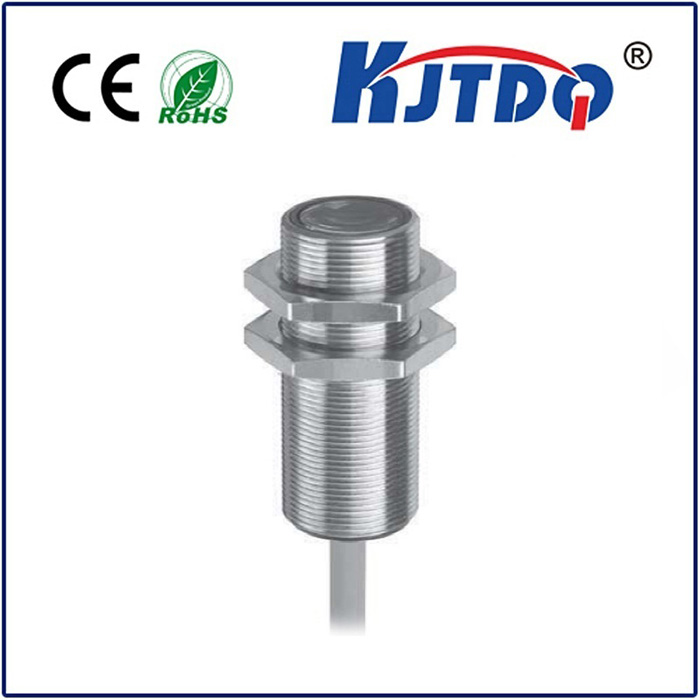
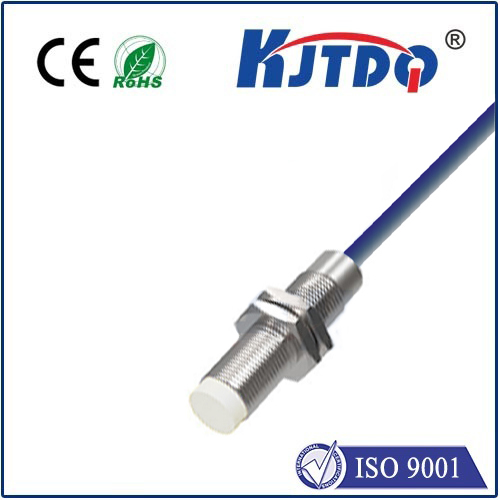
In the heart of modern industrial automation, where machinery operates under extreme pressures and within confined spaces, the reliability of every component is non-negotiable. Sensor failure in such conditions can lead to costly downtime, safety hazards, and compromised product quality. This is where specialized sensing technology, exemplified by the KJTDQ NJ1.5-18GM-N-D-V1 High Pressure Proximity Sensor, becomes a cornerstone of operational integrity.
The NJ1.5-18GM-N-D-V1 is engineered specifically to thrive where standard sensors falter. Its defining characteristic is its robust construction, capable of withstanding high-pressure environments commonly found in hydraulic systems, die-casting machines, injection molding equipment, and high-pressure washdown areas. The sensor housing is designed to resist not only the physical stress of pressure but also the ingress of oils, coolants, and other aggressive media, ensuring consistent performance and a long service life.
This inductive proximity sensor operates on a fundamental principle: it generates an electromagnetic field. When a metallic target enters this field, eddy currents are induced, causing a change in the sensor's internal oscillation. The NJ1.5-18GM-N-D-V1 detects this change and switches its output state with remarkable precision. The "N" in its designation typically signifies a normally open (NO) output configuration, while the "D" often indicates a DC 3-wire design, a common and versatile setup for integration into various control systems. The 18mm diameter cylindrical housing (M18 thread) offers a sturdy and widely compatible form factor.
What sets this high-pressure variant apart are its enhanced durability features. The sensing face and body are reinforced to prevent deformation or failure under sustained pressure spikes. This makes it an indispensable tool for position detection of pistons in hydraulic cylinders, monitoring valve positions, or confirming the closure of high-pressure vessel doors. Its ability to provide a reliable signal in these punishing conditions translates directly to improved machine safety and process reliability.
Installation and integration are straightforward. The M18 threaded barrel allows for easy mounting in standard fixtures, and its 3-wire DC connection (often with LED status indication) simplifies wiring. When selecting a sensor for a high-pressure application, key specifications to verify include the maximum pressure rating, the sensing distance (switching distance), the type of metal it can detect (e.g., steel, aluminum), and its environmental protection rating (IP67 or higher is typical for such models). The NJ1.5-18GM-N-D-V1 is built to meet these stringent requirements.
Beyond mere functionality, the value proposition lies in risk mitigation. By deploying a sensor specifically rated for high-pressure duties, maintenance teams can reduce unexpected failures. This proactive approach minimizes unplanned stoppages, protects more expensive downstream equipment from malfunction, and ensures continuous production flow. In industries like automotive manufacturing, metalworking, and heavy machinery, this reliability is a direct contributor to bottom-line results.
For engineers and plant managers sourcing components, the KJTDQ NJ1.5-18GM-N-D-V1 represents a focused solution. It answers the clear need for a proximity sensor that doesn't compromise under physical stress. Before final selection, always cross-reference the exact technical data sheet with your application's specific parameters, including pressure range, temperature, and target material. Choosing the right sensor for the environment is not just a technical detail—it's a strategic decision for operational excellence.