check

check

check

check

check

check
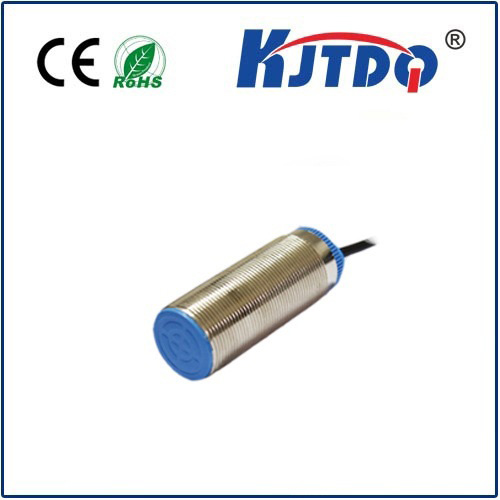
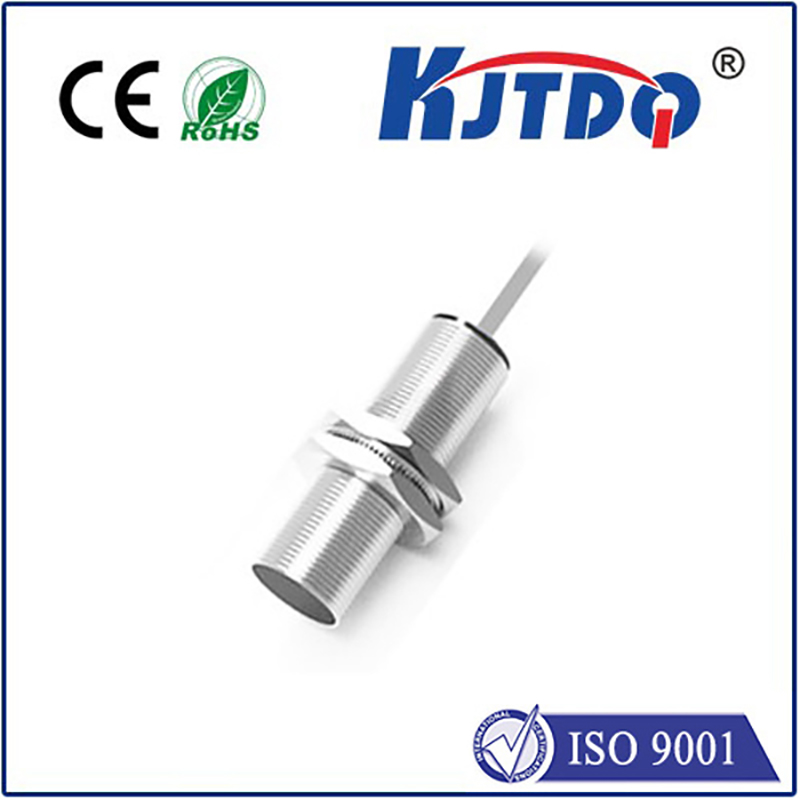
In the demanding world of industrial automation, where machinery operates under extreme pressures and in unforgiving conditions, sensor failure is not an option. Downtime translates directly to lost productivity and revenue. This is where the BES M30EG1-PSC20Z-S04G-S11 (BES02YF) High Pressure Proximity Sensor steps in, engineered to be the reliable sentinel in your most critical applications. Unlike standard sensors that falter under stress, this robust device is specifically designed to deliver unwavering performance where it matters most.
The core challenge in high-pressure environments, such as hydraulic systems, die-casting machines, plastic injection molding, and heavy-duty press lines, is the constant assault of intense forces and potential media ingress. Standard inductive proximity sensors might offer basic detection, but they lack the fortified construction needed to withstand sustained high pressure. The BES M30EG1-PSC20Z-S04G-S11 model addresses this gap head-on. Its defining feature is a specially reinforced housing and a pressure-resistant face, typically rated to withstand pressures significantly higher than conventional M30 sensors. This robust physical design ensures the internal electronics remain completely isolated and protected from external mechanical stress, preventing false signals, drift, or catastrophic failure.
Beyond its brute strength, the sensor incorporates advanced technical specifications for precise and reliable operation. The "PSC20Z" in its part number indicates a precise sensing range and a defined output configuration, ensuring accurate detection of metal targets even in cramped or challenging mounting situations. The "S04G" and "S11" suffixes often relate to specific electrical connections, output types (like PNP or NPN), and cable or connector styles, providing flexibility for seamless integration into various control systems. This attention to detail in its design means engineers can specify it with confidence, knowing it will interface correctly with PLCs and other automation components.
Reliability is further enhanced by its immunity to environmental factors. The sensor is built to resist not just pressure, but also common industrial hazards like coolants, lubricants, and metal shavings. Its high IP rating (typically IP67 or higher) guarantees protection against dust and temporary immersion, making it suitable for washdown areas in food and beverage or pharmaceutical applications where high-pressure cleaning is routine. This durability translates into a longer service life and reduced maintenance costs, providing a superior return on investment compared to frequently replaced standard units.
Installation and maintenance are streamlined for efficiency. The standard M30 x 1.5 mounting thread allows for easy integration into existing machine frames or fixtures. LED status indicators provide clear visual feedback on power and output state, enabling quick diagnostics and troubleshooting without complex tools. This user-centric design minimizes setup time and helps maintenance teams quickly identify and resolve any peripheral issues, keeping production lines running smoothly.
In practical terms, the application of the BES M30EG1-PSC20Z-S04G-S11 sensor is vast. It is the ideal choice for monitoring piston position in high-pressure hydraulic cylinders, ensuring precise control in metal stamping presses, detecting molds in injection molding machines under high clamp force, and verifying the position of tools in CNC machining centers subject to high coolant pressure. In each scenario, it provides the critical feedback needed for automated sequences to proceed safely and accurately, preventing machine damage and ensuring product quality.
Selecting the right sensor for high-pressure duties is a critical decision. The BES M30EG1-PSC20Z-S04G-S11 (BES02YF) stands out by offering a dedicated solution that prioritizes resilience and accuracy. It moves beyond the capabilities of general-purpose sensors, offering peace of mind through engineered robustness. For system integrators, plant engineers, and maintenance managers, incorporating this high-pressure proximity sensor means building a foundation of reliability into their most demanding automated processes, ensuring continuous operation and protecting valuable capital equipment from the risks associated with sensor failure under extreme conditions.