check

check

check

check

check

check
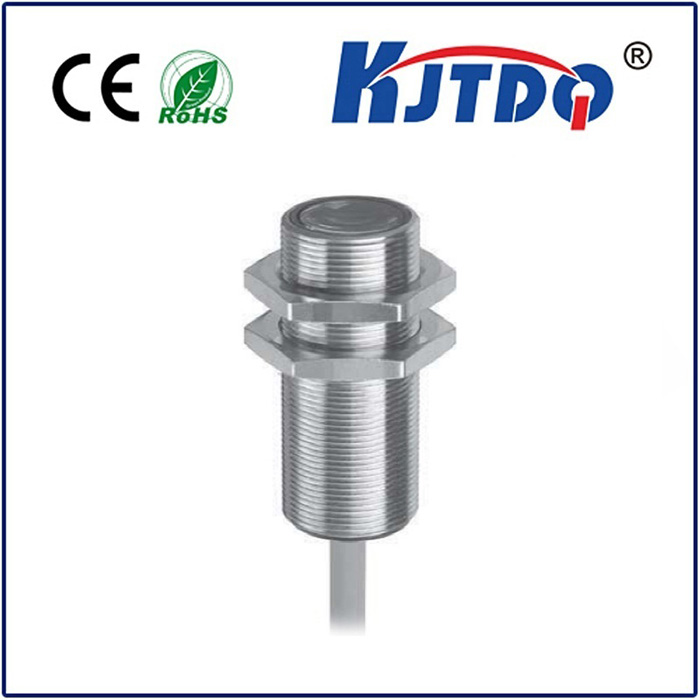
In the demanding world of industrial automation and machinery, the reliability of every component is paramount. Among these critical components, proximity sensors play a vital role in detecting the presence or absence of objects without physical contact. When operating under extreme conditions, such as high-pressure environments, the choice of sensor becomes even more crucial. This is where the DW-LS-703-P12G High Pressure Proximity Sensor stands out as a specialized solution engineered for resilience and precision.
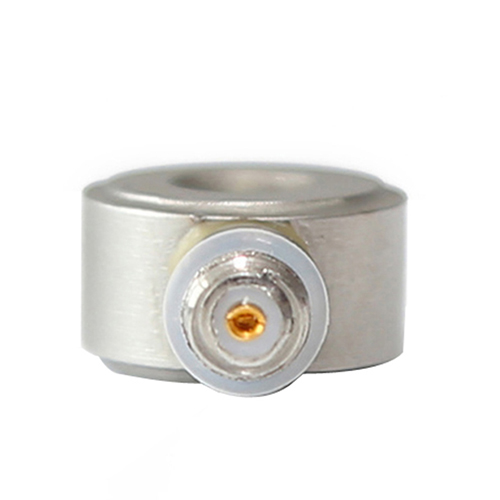
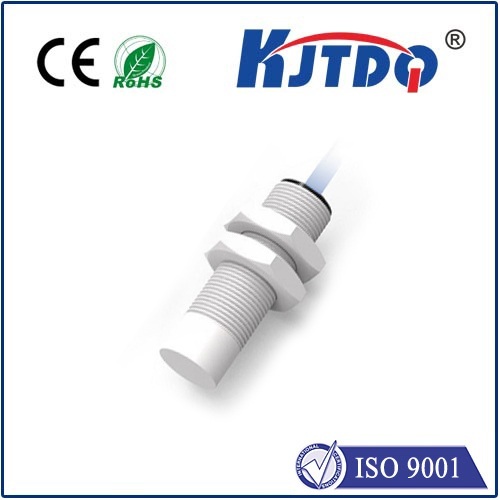
The DW-LS-703-P12G is specifically designed to withstand the rigors of high-pressure applications commonly found in hydraulic systems, die-casting machines, injection molding equipment, and heavy-duty press lines. Unlike standard inductive proximity sensors, this model features a robust housing and sealing technology that protects its internal electronics from pressure spikes, fluid ingress, and mechanical stress. The "P12G" designation often refers to its specific electrical connection and output type, typically a PNP normally open (NO) configuration with a 2-meter cable, making it ready for integration into various control systems.
One of the core advantages of the DW-LS-703-P12G is its unwavering performance stability. In high-pressure zones, standard sensors can fail due to housing deformation or seal compromise, leading to false signals or complete malfunction. The construction of this sensor mitigates these risks. Its sensing face is engineered to maintain its characteristics even when subjected to external pressure, ensuring consistent detection distances and repeatability. This reliability translates directly to reduced machine downtime, fewer false triggers in automated sequences, and enhanced overall operational safety.
Installation and integration are straightforward. The sensor is typically threaded, allowing for secure mounting directly into machine blocks or hydraulic manifolds. Its compact form factor is a significant benefit in space-constrained applications. Users must pay attention to the specified pressure rating to ensure it matches or exceeds the maximum system pressure. Proper installation is key; overtightening can damage the housing, while undertightening may compromise the pressure seal. Following the manufacturer's guidelines for torque and using appropriate sealing methods are essential steps for optimal performance.
From an application perspective, the DW-LS-703-P12G finds its niche wherever non-contact detection is needed in a pressurized medium. A prime example is in hydraulic cylinder position sensing. By embedding the sensor in the cylinder body, it can accurately detect the piston position, providing critical feedback for control loops. In plastic injection molding machines, it can be used to confirm mold closure under high clamping force before the injection cycle begins, preventing costly damage. Other use cases include monitoring valve spool positions, confirming the presence of components in high-pressure test chambers, and serving as a safety interlock in press brakes.
Maintenance for such a rugged sensor is generally minimal, but regular checks are advisable. Inspecting the sensor body for physical damage, ensuring the cable connection is intact and free from oil saturation, and verifying the signal output during operation are good practices. Because it operates in harsh conditions, its longevity can be influenced by factors like temperature extremes, fluid compatibility, and vibration. Selecting the correct model for the specific environmental conditions is as important as the installation itself.
In conclusion, the DW-LS-703-P12G High Pressure Proximity Sensor represents a focused answer to a specific industrial challenge. It bridges the gap between the need for sensitive electronic detection and the harsh reality of high-pressure mechanical systems. For engineers and maintenance professionals, specifying this sensor means investing in a component that prioritizes durability and signal integrity. It is not merely a sensor but a reliability enhancer for critical machinery, ensuring that automated processes run smoothly, safely, and with greater efficiency. When evaluating sensors for high-pressure duties, the DW-LS-703-P12G proves to be a dedicated tool designed to perform where others might fail.