check

check

check

check

check

check
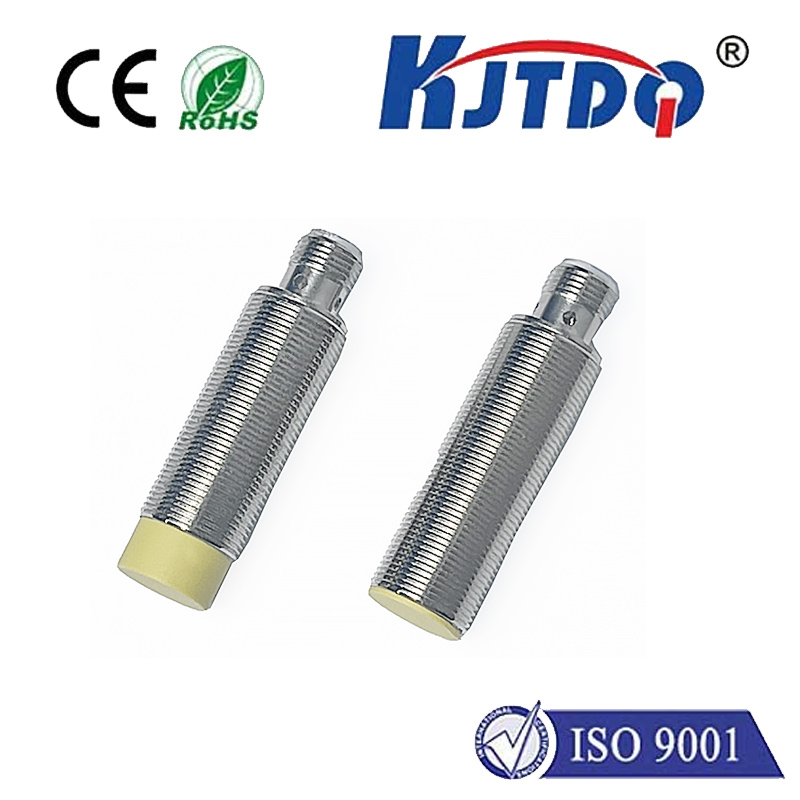
In the world of industrial automation and process control, the ability to detect objects or monitor positions under extreme conditions is not just a convenience—it’s a critical requirement for safety, efficiency, and productivity. This is where specialized components like the KGG20H2BU High Pressure Proximity Sensor come into play. Designed to operate reliably where standard sensors would fail, this sensor represents a pinnacle of engineering for harsh environments. Unlike conventional proximity sensors that might falter under high pressure, the KGG20H2BU is built to withstand significant mechanical stress and fluid pressure, making it an indispensable tool in industries such as hydraulic systems, heavy machinery, offshore drilling, and high-pressure manufacturing lines.
The core technology behind the KGG20H2BU typically involves a robust sensing element, often based on inductive or capacitive principles, encased in a housing engineered to resist deformation. This housing is usually constructed from high-grade stainless steel or similarly durable materials, providing an exceptional seal against ingress from liquids, dust, and particulates. The "High Pressure" designation specifically indicates its certification or proven capability to function accurately while being subjected to external pressures far exceeding atmospheric levels. This could mean immersion in hydraulic fluid at several hundred bar or exposure to the intense forces inside a press or molding machine. The sensor's output signal, whether PNP, NPN, or analog, remains stable and precise, ensuring that control systems receive consistent data for critical decision-making.
One of the key advantages of implementing the KGG20H2BU is its contribution to predictive maintenance and system integrity. In a hydraulic cylinder application, for instance, the sensor can precisely detect the piston position. A failure or drift in this reading under high pressure could lead to machine malfunction, unplanned downtime, or even safety hazards. The reliability of this sensor helps prevent such scenarios, enabling continuous operation and early fault detection. Its design often includes features like welded housings and pressure-rated connectors, which eliminate common failure points. Furthermore, the electrical characteristics are optimized to resist interference from the strong electromagnetic fields frequently present in industrial settings with large motors and power systems.
Installation and integration of the KGG20H2BU sensor require careful consideration. While its ruggedness is a major asset, proper mounting is essential to leverage its full pressure rating. Engineers must follow manufacturer guidelines regarding torque specifications for mounting threads, orientation, and the use of appropriate seals or gaskets. The sensing range, though potentially slightly reduced compared to low-pressure models due to the thicker housing, is precisely calibrated for its intended high-pressure niche. It’s also crucial to ensure compatibility with the existing control architecture, verifying voltage requirements and output signal types. Many modern versions offer IO-Link capability, providing not just switchpoint data but also diagnostic information like operating temperature and signal strength, which is invaluable for Industry 4.0 applications.
When selecting a proximity sensor for a high-pressure application, the KGG20H2BU stands out for a reason. It addresses the fundamental challenge of maintaining sensitivity and accuracy under physical stress. Standard sensors might experience housing creep, seal failure, or internal component shift when exposed to sustained high pressure, leading to false triggers or a complete loss of function. The engineering solutions embedded in the KGG20H2BU—from its material science to its internal design—are specifically targeted to mitigate these issues. This results in a longer service life, reduced replacement costs, and enhanced overall system reliability. For operators managing capital-intensive equipment, this sensor is not merely a component but a strategic asset for ensuring uptime and protecting investments.
Ultimately, the KGG20H2BU High Pressure Proximity Sensor exemplifies how targeted engineering solves specific industrial challenges. Its value proposition lies in its unwavering performance where it matters most. By providing a dependable detection solution in environments characterized by extreme pressure, it supports the advancement of more automated, safer, and more efficient industrial processes. For system designers and maintenance engineers, understanding and specifying such specialized sensors is a key step in building resilient and future-proof operations.