check

check

check

check

check

check
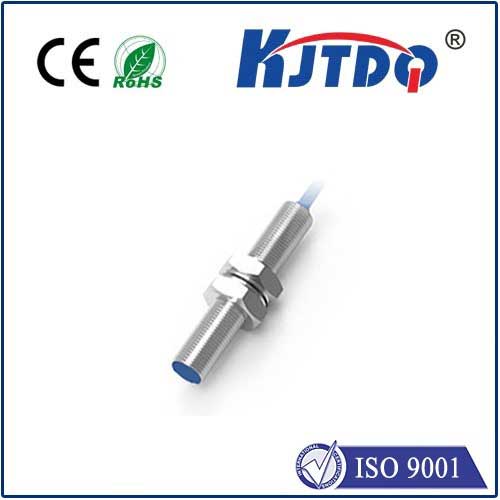
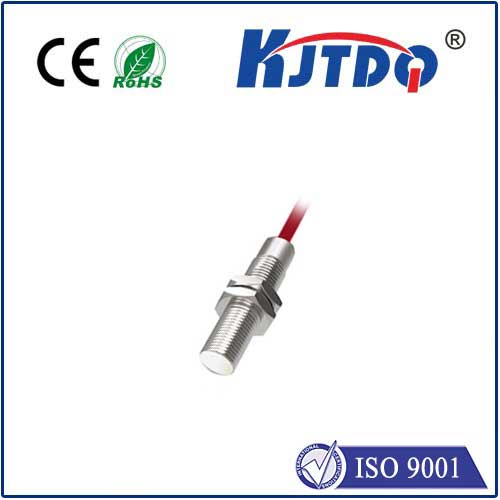
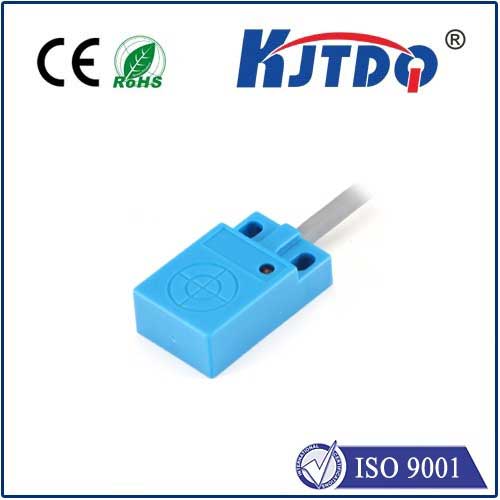
In the heart of modern industrial automation, where machinery operates under extreme pressures and in harsh conditions, the reliability of every component is non-negotiable. Sensor failure in such environments can lead to costly downtime, production losses, and even safety hazards. This is where specialized components like the MFH215 DC PNP High Pressure proximity sensor step into the spotlight, engineered specifically to deliver unwavering performance where standard sensors falter.
The defining challenge in many hydraulic systems, heavy press applications, die-casting machines, and high-pressure washdown areas is the intense ambient pressure. Conventional inductive proximity sensors, while excellent for general detection, can have their sensing characteristics altered or their housings compromised by these external pressures. The MFH215 is designed from the ground up to counteract this. Its core technology is built to maintain a stable sensing field and consistent switching point even when subjected to significant external pressure fluctuations. This ensures that detection of metallic targets—be it a piston position in a hydraulic cylinder or a mold in a press—remains accurate and repeatable, cycle after cycle.
Beyond its high-pressure resilience, the MFH215 incorporates a PNP (sourcing) output configuration with a DC voltage supply. This design choice offers distinct advantages in many control system architectures. PNP sensors, which switch the positive voltage to the load, are often the preferred and simpler-to-integrate option with programmable logic controllers (PLCs) that commonly feature PNP input cards. The DC operation ensures low power consumption and compatibility with standard industrial 10-30V DC power supplies, facilitating easy integration into existing control panels without the need for additional power conversion modules.
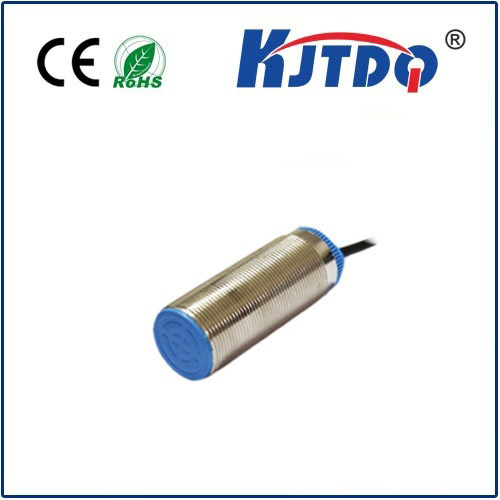
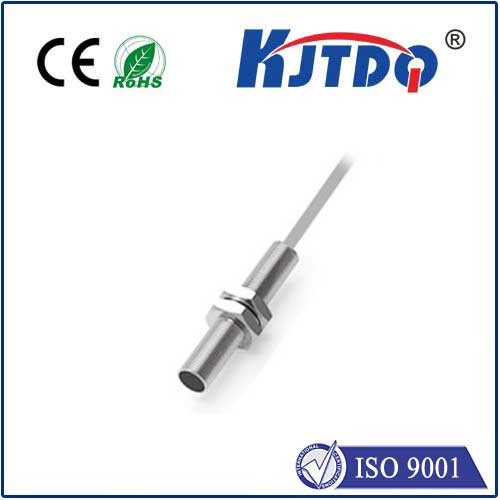
Durability is another cornerstone of the MFH215's design. The sensor housing is typically constructed from high-grade stainless steel, providing exceptional resistance to corrosion, physical impacts, and the mechanical stresses encountered in rugged settings. This robust construction is frequently complemented by a high IP rating (such as IP67 or IP69K), guaranteeing protection against dust ingress and high-pressure, high-temperature water jets. This makes it not only pressure-resistant but also ideal for industries like food and beverage or chemical processing, where frequent, aggressive cleaning is mandatory.
Installation and maintenance engineers appreciate the practical features of such a sensor. Many models come with LED status indicators for quick visual confirmation of power and output switching, simplifying troubleshooting. The choice of connector versions or pre-wired cables offers flexibility for different installation preferences. Its application scope is vast: from monitoring cylinder end positions in plastic injection molding machines and ensuring tooling safety in stamping presses to providing reliable feedback in automated high-pressure cleaning systems.
Selecting the right sensor for high-pressure applications requires careful consideration. Key parameters include the rated pressure resistance, the sensing distance, the target material (ferrous or non-ferrous metals), and the required electrical interface. The MFH215 series typically offers variants to meet specific needs within this niche. It represents a focused solution that prioritizes operational stability under physical stress, a critical factor for maintaining overall equipment effectiveness (OEE).
In conclusion, in the complex ecosystem of industrial automation, the MFH215 DC PNP High Pressure proximity sensor stands out as a specialized guardian of reliability. It addresses a critical pain point by ensuring precise object detection in environments where pressure is a constant adversary. By delivering consistent performance, robust construction, and seamless integration, it goes beyond being merely a component; it becomes a vital contributor to uninterrupted production, enhanced safety, and long-term operational cost savings. For system designers and plant managers overseeing demanding applications, specifying a sensor of this caliber is a strategic decision for building resilient and efficient automation systems.