check

check

check

check

check

check
In the complex and often unforgiving world of industrial automation, the reliability of every component is paramount. Among these critical components, proximity sensors play a vital role in detecting the presence or absence of objects without physical contact. However, standard sensors can falter under extreme conditions, particularly where high pressure is a constant factor. This is where specialized solutions like the UB1815AE65N2 High Pressure Proximity Sensor come into play, offering unparalleled performance and durability where it matters most.
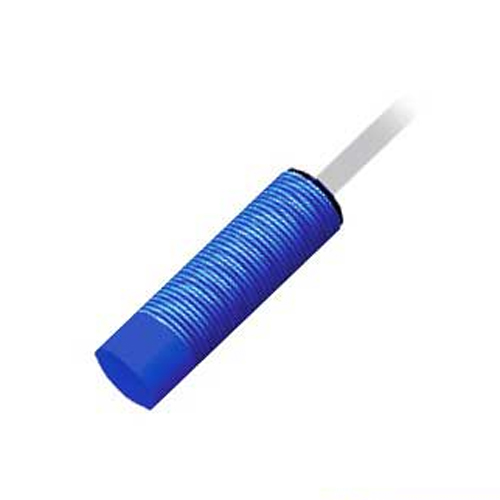
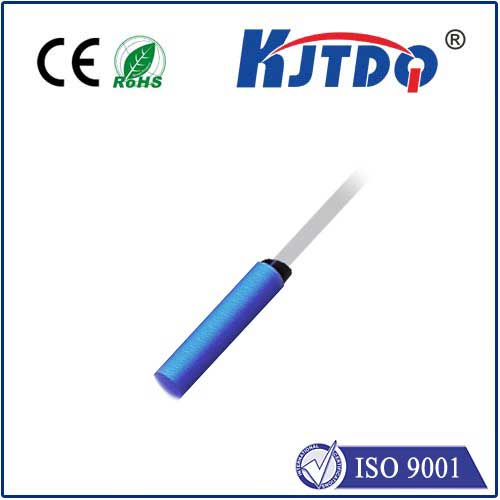
The UB1815AE65N2 is engineered specifically for applications involving elevated pressure levels. Its robust construction is designed to withstand the mechanical stresses and potential media exposure common in hydraulic systems, high-pressure cleaning equipment, die-casting machines, and injection molding processes. Unlike conventional inductive sensors that might deform or fail, the UB1815AE65N2 maintains its sensing characteristics and structural integrity, ensuring consistent and accurate detection cycles. This reliability directly translates to reduced downtime, minimized maintenance costs, and enhanced overall operational safety.
A key feature of this sensor is its advanced sensing technology. Utilizing a high-quality sensing element shielded within a pressure-resistant housing, it provides stable detection of metallic targets even when submerged in or exposed to high-pressure fluids. The "N2" in its designation often refers to a specific output type or configuration, such as a normally open (NO) or normally closed (NC) contact, providing flexibility for various control logic setups. Its high switching frequency allows for fast-paced production lines, while its impressive repeat accuracy ensures that every detection is precise, preventing errors in positioning or counting.
Installation and integration are straightforward. The UB1815AE65N2 is typically designed with standard mounting dimensions, such as M18 threaded barrels, making it a direct replacement or upgrade for many existing sensor setups. Its electrical connections are industry-standard, compatible with common PLCs and control systems. Many models feature LED status indicators for quick visual confirmation of operation and sensing state, aiding in troubleshooting and setup. This plug-and-play capability significantly reduces commissioning time and complexity.
The operational benefits are substantial. In a high-pressure hydraulic press, for instance, the sensor can reliably detect the position of a piston or valve, ensuring the machine cycle proceeds only when conditions are safe and correct. In food and beverage processing with high-pressure sterilization, its sealed design prevents ingress, maintaining hygiene and sensor functionality. By providing a dependable signal in these challenging environments, the UB1815AE65N2 protects expensive machinery from damage caused by misalignment or failure, safeguards personnel, and ensures product quality remains consistent.
When selecting a proximity sensor for high-pressure applications, several factors must be considered beyond just pressure rating. The material of the sensing face and housing, such as stainless steel, is crucial for corrosion resistance. The level of ingress protection (IP rating) determines its resilience against dust and liquids. The operating temperature range must align with the environment. The UB1815AE65N2 is meticulously designed to excel across these parameters, offering a comprehensive solution rather than a simple component. It represents a strategic investment in process stability.
In conclusion, for engineers and maintenance professionals seeking to eliminate a common point of failure in pressurized systems, the UB1815AE65N2 High Pressure Proximity Sensor stands as a robust and intelligent choice. Its specialized design addresses the core challenges of pressure, durability, and signal integrity head-on. By integrating this sensor, facilities can achieve a higher level of automation reliability, moving beyond the limitations of standard equipment and building a more resilient, efficient, and safe production infrastructure for the long term.