check

check

check

check

check

check
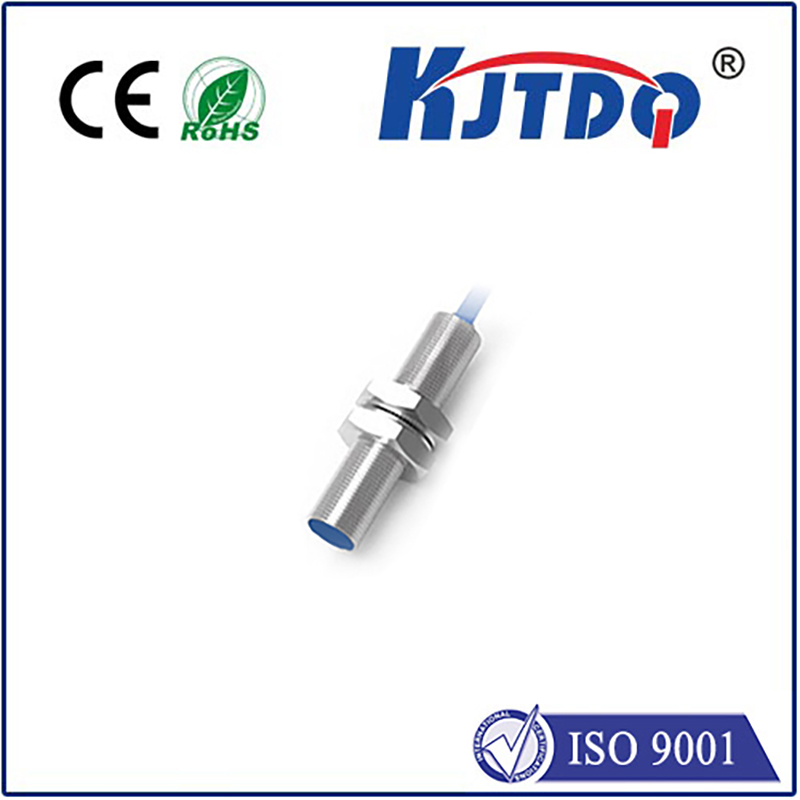
In the demanding world of industrial automation and heavy machinery, the reliability and precision of sensing technology are non-negotiable. Among the critical components ensuring operational safety and efficiency, the BD3-P2-M14S-732 High Pressure proximity sensor stands out as a robust and dependable solution. Engineered for extreme environments, this sensor is specifically designed to deliver accurate, non-contact detection in high-pressure hydraulic and pneumatic systems where traditional sensors might fail.
The core functionality of the BD3-P2-M14S-732 revolves around its ability to detect the presence or absence of a metallic target without any physical contact. This is achieved through an inductive sensing principle. The sensor generates an electromagnetic field. When a metallic object enters this field, it induces eddy currents within the target, which in turn causes a change in the sensor's own oscillation amplitude. This change is detected and converted into a clear, binary output signal, typically switching a solid-state output. The "High Pressure" designation is crucial; this sensor is built with a reinforced housing and special seals that allow it to withstand immersion and continuous operation in hydraulic fluids or other media at pressures that would compromise standard sensors. This makes it an indispensable component in applications like injection molding machines, die-casting equipment, hydraulic presses, and offshore drilling apparatus.
One of the key advantages of the M14S form factor is its compact, cylindrical design with a standard M14 x 1.5 thread. This allows for easy and secure installation into standard mounting holes, simplifying integration into existing machine designs. The P2 in its model name often refers to its specific performance characteristics, such as its sensing range, which is typically optimized for short distances with high precision—often around 2mm for such models. This precise range ensures reliable detection even when targets are moving at high speeds or in tightly confined spaces.
Durability is a hallmark of the BD3-P2-M14S-732. Constructed from high-grade materials like stainless steel (often V4A/AISI 316L) for the housing and sensing face, it offers exceptional resistance to corrosion, impacts, and abrasion. The integrated electronics are potted to protect against vibration and shock, ensuring a long service life even in the most punishing industrial settings. Furthermore, these sensors are designed to be immune to electrical interference from nearby motors or drives, guaranteeing signal stability and reducing false triggers that could lead to costly downtime or safety incidents.
When selecting a sensor for high-pressure applications, several factors must be considered. The BD3-P2-M14S-732 addresses these comprehensively. Its pressure rating is a primary specification, clearly defining the maximum static pressure it can endure. The operating temperature range ensures functionality in both hot environments near engines and cold settings. The output type (e.g., PNP or NPN, NO or NC) provides compatibility with various PLCs and control systems. Its IP rating, likely IP67 or higher, confirms its protection against dust ingress and temporary immersion, which is common in washdown or flooded environments.
In practice, the implementation of the BD3-P2-M14S-732 sensor leads to tangible benefits. It enhances machine safety by providing reliable position feedback for cylinders and actuators, preventing over-travel and collisions. It boosts productivity by enabling faster cycle times through precise end-position detection. Most importantly, its ruggedness minimizes unplanned maintenance, reducing total cost of ownership. For engineers and maintenance professionals, specifying this sensor means choosing a component known for its consistency and resilience.
For optimal performance, correct installation is vital. The sensor should be mounted securely, ensuring the sensing face is properly aligned with the target. The recommended sensing distance should be maintained, accounting for any potential mechanical tolerances. Electrical connections must be made according to the datasheet, with proper attention to voltage supply and load. Regular checks as part of a preventive maintenance schedule can help identify any potential issues before they lead to failure.
In conclusion, the BD3-P2-M14S-732 High Pressure inductive proximity sensor represents a specialized tool for a challenging niche. It transcends the capabilities of standard sensors by offering a combination of precise non-contact detection and exceptional pressure resistance. For any application involving hydraulic systems, pressurized environments, or simply a need for extreme durability, this sensor provides a reliable and efficient sensing solution, ensuring that critical automated processes run smoothly, safely, and without interruption.