check

check

check

check

check

check
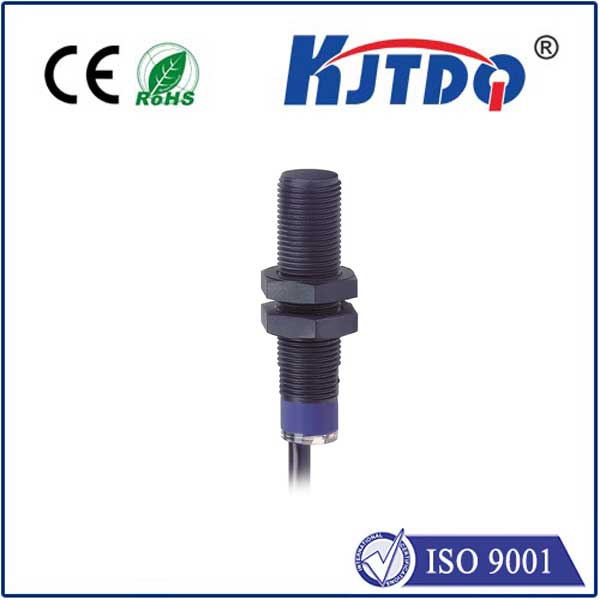
In the relentless world of industrial automation, where machinery operates under extreme pressures and within confined spaces, the failure of a single component can cascade into costly downtime and safety hazards. Sensing technology, in particular, faces immense challenges in these environments. Traditional sensors often falter when exposed to high-pressure washdowns, corrosive media, or intense physical stress. This is where the GX-M118MKA-P High Pressure Proximity Sensor emerges not just as another component, but as a critical engineering solution designed to deliver unwavering reliability where it matters most.
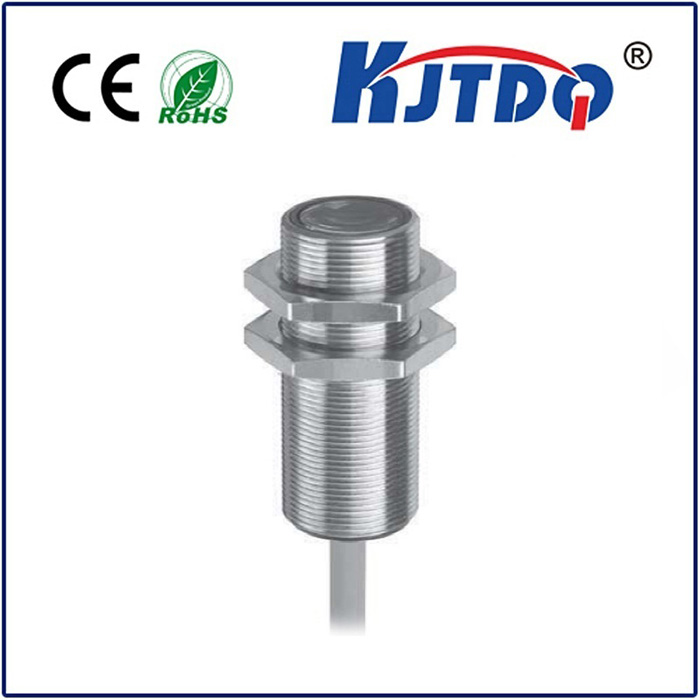
The core innovation of the GX-M118MKA-P lies in its robust construction specifically engineered to withstand high-pressure environments. Unlike standard inductive proximity sensors, its housing and sensing face are built to resist the ingress of water, oils, and cleaning agents typically used in aggressive industrial cleaning processes common in food and beverage, pharmaceutical, and chemical processing plants. This durability ensures consistent performance, preventing false triggers or complete failure that can disrupt automated production lines. The sensor's ability to maintain its sealing integrity under high-pressure spray directly translates to reduced maintenance intervals and lower total cost of ownership.
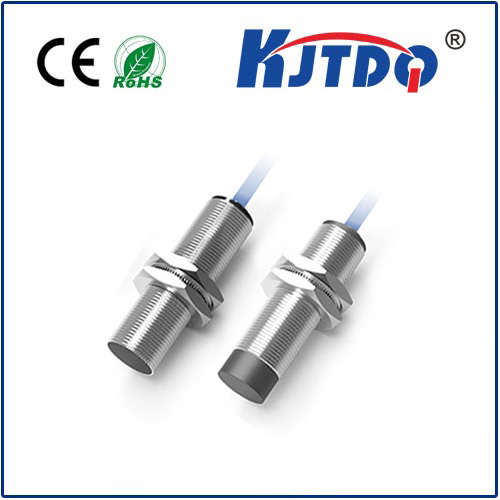
Precision is non-negotiable in modern manufacturing. The GX-M118MKA-P provides accurate and repeatable detection of metallic objects, even in challenging conditions. Its stable sensing performance is unaffected by ambient temperature fluctuations or the presence of conductive dust and chips, making it ideal for machining centers, stamping presses, and hydraulic systems. This reliability is crucial for tasks such as position verification of pistons in high-pressure hydraulic cylinders, end-of-travel detection in heavy machinery, or part presence confirmation in automated assembly. By delivering a consistent signal, it forms a trustworthy data point for the control system, ensuring smooth and synchronized operation.
Installation and integration flexibility are key factors for engineers designing or upgrading systems. The GX-M118MKA-P is designed with practicality in mind. Its compact form factor allows for installation in tight spaces where larger sensors cannot fit, a common constraint in complex machinery. Available in various connection styles, including quick-disconnect cables and rugged connectors, it simplifies wiring and reduces installation time. Furthermore, its compatibility with standard mounting brackets and industry-standard voltage ranges (e.g., 10-30V DC) ensures it can seamlessly replace less robust sensors in existing setups, offering an immediate upgrade in resilience without requiring control system modifications.
Beyond mere object detection, the deployment of the GX-M118MKA-P sensor contributes significantly to operational efficiency and safety. In high-pressure testing facilities or oil and gas applications, its robust design helps prevent leaks and system failures by providing reliable feedback on valve positions or component alignment. This proactive monitoring capability is essential for predictive maintenance strategies, alerting operators to potential issues before they lead to unplanned stoppages. The resulting increase in machine uptime and reduction in emergency repairs directly boost productivity and protect capital investment.
Selecting the right sensor is a strategic decision. The GX-M118MKA-P High Pressure Proximity Sensor represents a convergence of durability, precision, and practical design. It addresses the specific pain points encountered in harsh industrial settings, providing a dependable solution that safeguards both process continuity and personnel safety. For industries where performance cannot be compromised, investing in such hardened sensing technology is not an expense but a cornerstone for building a more resilient, efficient, and competitive operation. Its role is fundamental in transforming challenging environmental conditions from a liability into a managed variable, enabling automation to reach its full potential.