check

check

check

check

check

check
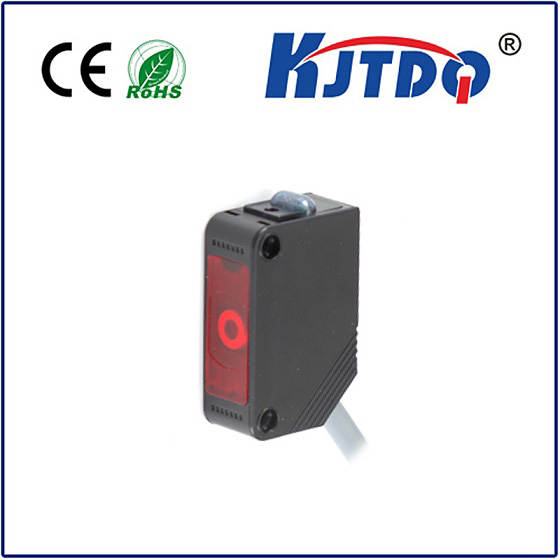
In the demanding landscape of modern industrial automation, the reliability and precision of sensing technology are paramount. The MFH215 High Pressure Proximity Sensor stands as a critical component engineered to meet these rigorous demands. Designed for environments where high pressure and close-range detection are essential, this sensor offers unparalleled performance in monitoring and control applications across various sectors, including hydraulic systems, heavy machinery, and process automation.
The core functionality of the MFH215 revolves around its ability to detect the presence or absence of metallic objects in high-pressure zones without physical contact. This non-contact operation minimizes wear and tear, significantly extending the sensor's operational lifespan and reducing maintenance costs. Utilizing advanced inductive sensing technology, the MFH215 delivers consistent and accurate readings even under extreme pressure conditions, ensuring that machinery operates within safe parameters. This reliability is crucial for preventing equipment failure and avoiding costly downtime in production lines.
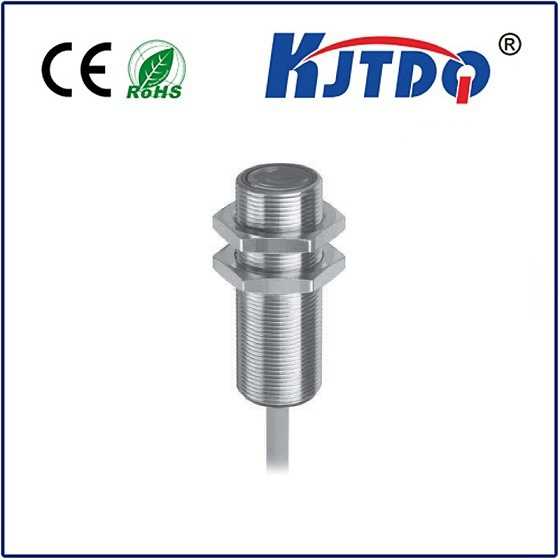
One of the standout features of the MFH215 is its robust construction. Built to withstand harsh industrial environments, it is typically housed in a stainless-steel casing that provides excellent resistance to corrosion, vibration, and temperature fluctuations. This durability makes it suitable for use in challenging settings such as manufacturing plants, oil and gas facilities, and automotive assembly lines. The sensor's design also incorporates high ingress protection ratings, safeguarding it against dust and moisture ingress, which further enhances its reliability in diverse operational conditions.
Installation and integration of the MFH215 are streamlined for user convenience. With standardized mounting options and compatibility with common industrial interfaces, it can be easily incorporated into existing systems. Many models offer adjustable sensing ranges and output signals, such as analog or digital outputs, allowing for flexible configuration based on specific application needs. This adaptability ensures that the sensor can be tailored to monitor various parameters, from position detection in hydraulic cylinders to level sensing in pressurized tanks, providing versatile solutions for complex industrial challenges.
Safety is a paramount concern in high-pressure applications, and the MFH215 contributes significantly to operational safety protocols. By providing real-time data on component positions and system statuses, it enables automated systems to respond promptly to anomalies, potentially preventing accidents and enhancing workplace safety. For instance, in hydraulic presses or injection molding machines, the sensor can detect if a guard is in place or if a component is correctly positioned, triggering safety interlocks if necessary. This proactive monitoring helps companies comply with industry safety standards and regulations, fostering a safer working environment.
Moreover, the MFH215 High Pressure Proximity Sensor supports energy efficiency initiatives. Accurate detection helps optimize machine cycles, reducing unnecessary operations and conserving energy. In systems like variable displacement pumps or compressor controls, the sensor's precise feedback allows for adjustments that minimize energy consumption without compromising performance. This not only lowers operational costs but also aligns with sustainability goals, making it an eco-friendly choice for forward-thinking industries.
In summary, the MFH215 High Pressure Proximity Sensor is an indispensable tool for enhancing industrial efficiency, safety, and reliability. Its robust design, precise sensing capabilities, and ease of integration make it a preferred choice for engineers and technicians worldwide. As industries continue to evolve towards greater automation and smarter manufacturing processes, sensors like the MFH215 will play a pivotal role in driving innovation and maintaining competitive edges. By investing in such advanced sensing technology, businesses can achieve higher productivity, reduced downtime, and improved safety outcomes, ultimately contributing to long-term success in a dynamic global market.