check

check

check

check

check

check
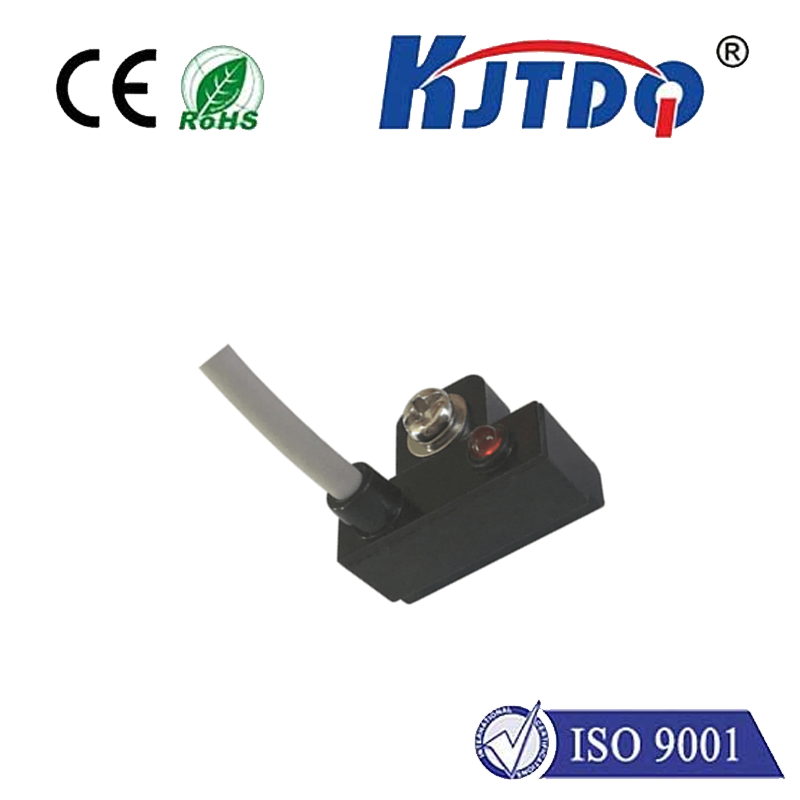
In the demanding world of industrial automation and process control, the reliability of every component is paramount. Among the critical elements ensuring seamless operation, proximity sensors stand as silent sentinels. Specifically designed for harsh environments, the BD3-P3-M14S-732 High Pressure proximity sensor emerges as a specialized solution, engineered to deliver unwavering performance where standard sensors would falter. This guide delves into the core features, applications, and technical advantages of this robust sensing device.
The primary challenge in many industrial settings is the presence of extreme pressure conditions. Whether in hydraulic systems, high-pressure cleaning equipment, deep-sea applications, or within the confines of specialized manufacturing machinery, standard inductive or capacitive sensors can fail due to seal breaches or material stress. The BD3-P3-M14S-732 is explicitly built to counteract these forces. Its construction incorporates a housing and sensing face rated to withstand significant external pressure, ensuring the internal electronics remain protected and functional. This resilience directly translates to reduced downtime and maintenance costs, as the sensor can endure the operational stresses without compromise.
A key aspect of the BD3-P3-M14S-732 is its sensing technology. Typically utilizing an inductive principle, it detects the presence of metallic targets without physical contact. The "M14S" in its designation often refers to a compact M14 x 1.5 threaded cylindrical housing, a common industry standard that facilitates easy installation and replacement. The "P3" likely denotes a particular performance class or protection rating, such as IP67 or higher, indicating excellent resistance to dust and temporary immersion in water. This combination of a rugged, pressure-resistant body with a high ingress protection rating makes it suitable for washdown areas in food processing or outdoor applications exposed to the elements.
The electrical characteristics of the BD3-P3-M14S-732 are designed for integration into modern control systems. It commonly operates on a DC voltage range (e.g., 10-30V DC) and provides a clear switching signal—either PNP (sourcing) or NPN (sinking)—compatible with Programmable Logic Controllers (PLCs) and other industrial controllers. Its switching frequency and sensing range are optimized for precise detection even in high-vibration environments, ensuring accurate feedback for position control, counting, or end-position monitoring.
So, where does this sensor excel? Its high-pressure capability makes it indispensable in several sectors. In the oil and gas industry, it can monitor valve positions or equipment presence in systems where internal or external pressures are elevated. In heavy machinery, such as construction or agricultural equipment, it can serve as a reliable limit switch for hydraulic cylinders. Furthermore, in chemical processing or water treatment plants dealing with pressurized pipelines, the BD3-P3-M14S-732 provides a dependable means of object detection without risking seal failure.
Selecting and installing this sensor requires attention to detail. Engineers must verify the specific pressure rating (often listed in bar or PSI) to ensure it exceeds the maximum expected operational pressure in the application. Proper mounting is crucial; the sensor should be securely threaded into place, often with a sealing washer, to maintain its pressure and IP integrity. Ensuring the correct target material (ferrous or non-ferrous metals) and the required sensing distance are also vital for optimal performance. Regular checks for physical damage or buildup on the sensing face help maintain long-term reliability.
In conclusion, the BD3-P3-M14S-732 High Pressure proximity sensor represents a focused answer to a specific industrial challenge. It transcends the capabilities of generic sensors by offering built-in resistance to extreme pressure, robust environmental sealing, and reliable electronic output. For system designers and maintenance engineers working in pressurized environments, specifying a component like the BD3-P3-M14S-732 is not merely a choice but a strategic decision for enhancing system resilience, safety, and operational continuity. Its value lies in its ability to perform a fundamental task—detecting presence—under conditions that would incapacitate lesser devices, thereby safeguarding processes and productivity.