check

check

check

check

check

check
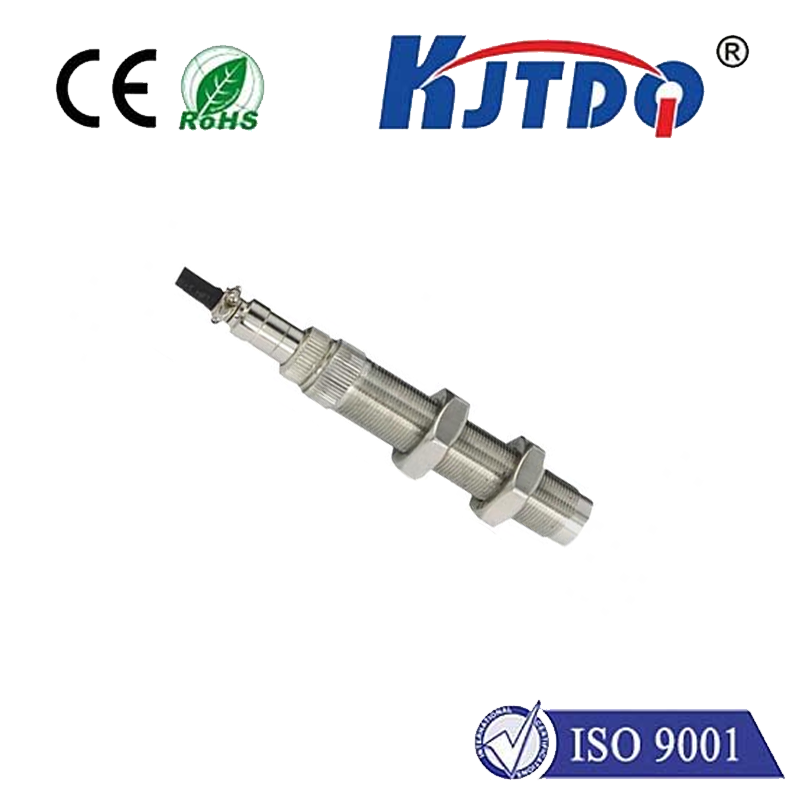
In the relentless world of industrial automation and control, where machinery operates under extreme pressures and in unforgiving conditions, sensor reliability is not just a preference—it's an absolute necessity. System failures, unplanned downtime, and inaccurate readings can lead to catastrophic losses in productivity, safety, and revenue. This is where the M9H209 High Pressure Proximity Sensor steps in, engineered specifically to deliver unwavering performance where other sensors falter.
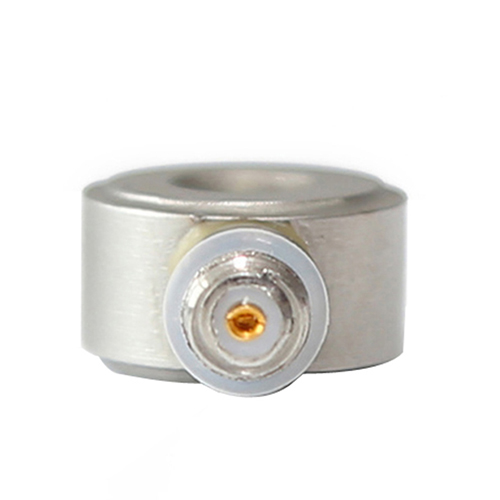
The core challenge in high-pressure applications, such as hydraulic systems, heavy-duty presses, injection molding machines, and offshore equipment, is the constant assault of intense forces on sensor components. Standard inductive or capacitive sensors often lack the robust construction to withstand these environments, leading to premature failure, signal drift, or complete inoperability. The M9H209 is designed from the ground up to conquer these challenges. Its defining feature is its exceptional pressure rating, allowing it to function accurately and reliably even when submerged in hydraulic fluids or exposed to external pressures that would compromise lesser devices. This capability ensures consistent detection of metallic targets—like piston positions, valve closures, or component presence—without false triggers or loss of signal integrity.
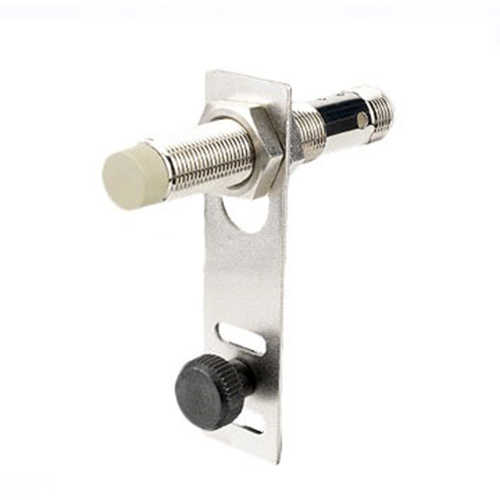
Beyond its high-pressure resilience, the M9H209 boasts a suite of features that make it a cornerstone of modern industrial design. Constructed with a stainless-steel housing, it offers superior resistance to corrosion, impacts, and mechanical stress. The sensing face is particularly rugged, protecting the internal electronics from physical damage and fluid ingress, typically meeting high IP (Ingress Protection) ratings for use in wet or dusty environments. Its electrical design is equally robust, featuring short-circuit and reverse polarity protection, which safeguards both the sensor and the broader control system from installation errors or electrical faults. Available in various output configurations (like PNP/NPN or analog) and connection types, it integrates seamlessly into existing PLC (Programmable Logic Controller) and automation networks.
The operational benefits of deploying the M9H209 are immediately tangible. First and foremost is enhanced system reliability. By providing a stable and accurate detection signal under pressure, it enables precise control of machinery cycles, preventing malfunctions and ensuring consistent product quality. This reliability directly translates to reduced maintenance costs and minimized downtime, as the sensor's durable build extends its service life significantly compared to standard models. Furthermore, its precision contributes to improved process efficiency and energy savings, as machines can operate at optimal parameters without the need for compensatory safety margins due to sensor uncertainty.
From automotive manufacturing lines where hydraulic presses form metal parts, to the decks of ships where equipment faces constant saltwater spray and pressure variations, the M9H209 finds its critical role. It is indispensable in the oil and gas sector for monitoring subsea equipment, in metalworking for controlling high-pressure coolant systems, and in packaging machinery where pneumatic cylinders operate at high speeds and pressures. Any application requiring non-contact detection of metallic objects in a pressurized or harsh setting is a candidate for this sensor.
Selecting the right sensor is crucial. When considering the M9H209, key specifications to review include its specific pressure rating (which should exceed the maximum operating pressure of your system), the sensing distance, the target material it detects (ferrous or non-ferrous metals), the operating temperature range, and the required electrical output. Proper installation is also vital; ensuring correct mounting, alignment with the target, and secure electrical connections will guarantee peak performance.
In conclusion, the M9H209 High Pressure Proximity Sensor is more than just a component; it is a strategic investment in operational integrity. It addresses the critical pain points of high-pressure industrial environments head-on, offering durability, precision, and reliability that protect valuable assets and ensure continuous production flow. For engineers and plant managers seeking to eliminate a key point of failure in their most demanding applications, specifying the M9H209 is a decision that drives long-term efficiency, safety, and bottom-line results.