check

check

check

check

check

check
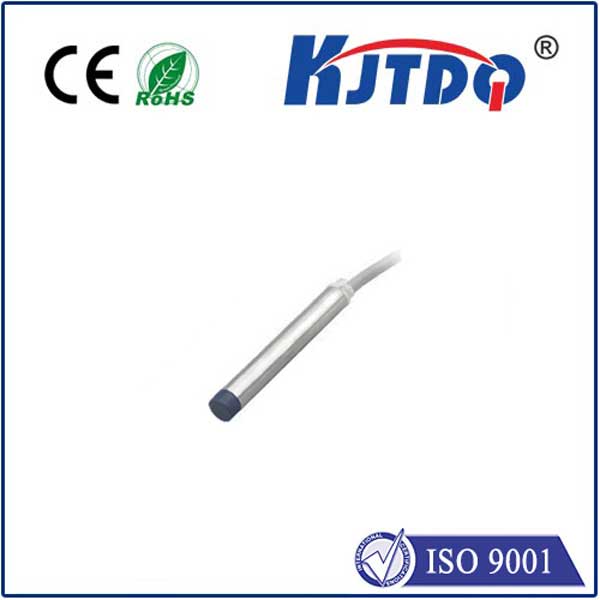
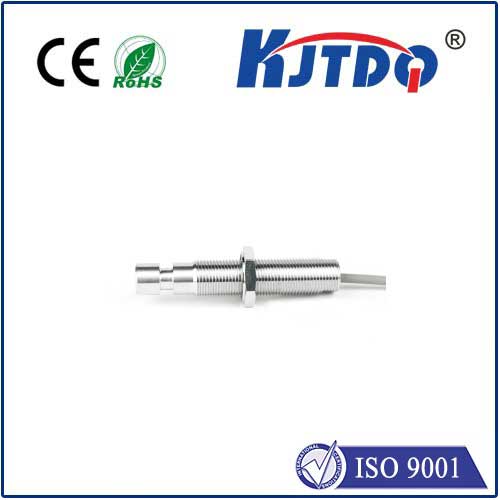
In the world of industrial automation and process control, the ability to reliably detect objects or monitor conditions in extreme environments is not just an advantage—it’s a necessity. High-pressure applications, found in sectors like oil and gas, hydraulic systems, heavy machinery, and chemical processing, present unique challenges. Standard sensors often fail under intense pressure, leading to downtime, safety risks, and costly maintenance. This is where specialized components like the TJ1815AE65N1 High Pressure Proximity Sensor step into the spotlight, engineered to deliver unwavering performance where others cannot.
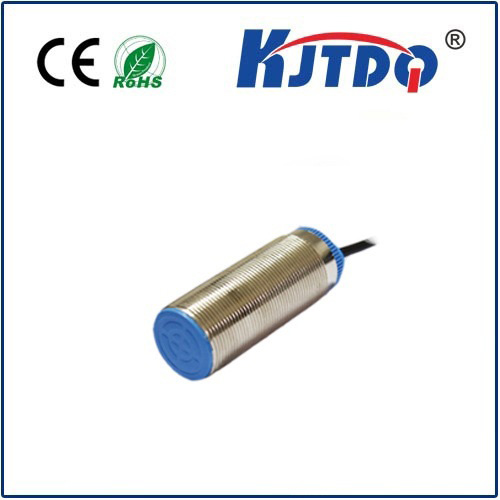
The TJ1815AE65N1 is not merely a sensor; it is a robust detection system designed from the ground up to withstand severe operational pressures. Its core construction utilizes high-grade materials and a sealed housing that protects internal electronics from the ingress of fluids and the crushing forces of high-pressure environments. This rugged design ensures that the sensor maintains its calibration and sensitivity, providing consistent and accurate detection signals even when subjected to significant physical stress. The reliability of such a component translates directly to enhanced system integrity, reducing the frequency of false triggers or missed detections that can disrupt automated processes.
One of the defining features of the TJ1815AE65N1 is its precision in hostile conditions. Whether it’s monitoring the position of a piston within a high-pressure hydraulic cylinder, detecting the presence of tools in machining equipment under heavy load, or ensuring safety interlocks on pressure vessels, this sensor delivers. Its sensing technology is optimized to ignore environmental interference, focusing solely on the predefined target. This results in a high signal-to-noise ratio, meaning the data output is clean, reliable, and immediately actionable for control systems. For engineers, this precision eliminates guesswork and allows for tighter, more efficient control loops.
Durability and longevity are paramount in industrial investments. The TJ1815AE65N1 is built for endurance. Its ability to operate continuously under high pressure extends the mean time between failures (MTBF) significantly compared to conventional proximity sensors. This resilience reduces total cost of ownership by minimizing replacement parts, labor for swaps, and, most critically, unplanned production stoppages. In continuous process industries, even a few hours of downtime can result in substantial financial loss. Integrating a sensor designed for such durability is a proactive measure for operational continuity.
Integration into existing systems is straightforward. The TJ1815AE65N1 typically features standard electrical outputs and mounting configurations, making it a practical drop-in replacement or upgrade for less capable units. This ease of installation accelerates deployment and reduces the engineering overhead required for retrofitting. Furthermore, its consistent performance under pressure contributes to safer working environments. By reliably detecting machine states or object positions, it helps prevent equipment overloads, collisions, and other hazardous situations, aligning with the highest industrial safety standards.
From automotive manufacturing presses to offshore drilling equipment, the applications for a high-pressure proximity sensor are vast and critical. The TJ1815AE65N1 serves as a trusted component in these complex ecosystems. It empowers manufacturers and operators to push the boundaries of their machinery's capabilities without compromising on reliability or safety. In an era where efficiency and uptime are key performance indicators, choosing the right sensor is a strategic decision. The TJ1815AE65N1 High Pressure Proximity Sensor stands as a testament to engineering focused on solving real-world industrial challenges, ensuring that detection and control remain precise, no matter the pressure.