check

check

check

check

check

check
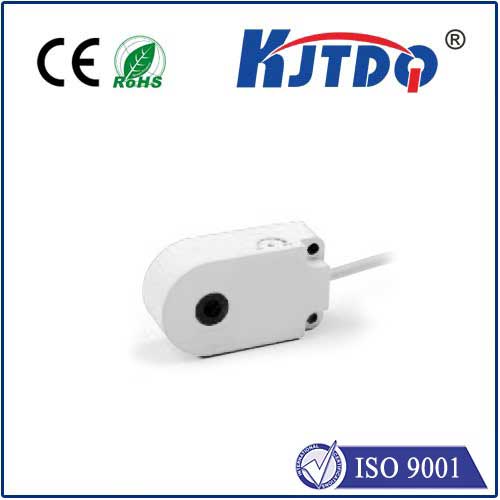
In the world of industrial automation and process control, the reliability of a single component can dictate the success of an entire operation. When it comes to detecting the presence or position of objects under extreme conditions, standard sensors often fall short. This is where the BHS004H High Pressure Proximity Sensor steps in, engineered to deliver unwavering performance where others cannot. This guide delves into the core features, applications, and critical advantages of this robust sensing solution.
The BHS004H is specifically designed to operate in environments with exceptionally high ambient pressure, such as those found in deep-sea equipment, high-pressure hydraulic systems, compression chambers, and specialized manufacturing processes. Unlike conventional inductive or capacitive proximity sensors, the BHS004H is built with a hermetically sealed housing constructed from high-grade stainless steel or similarly durable materials. This construction is not merely for physical protection; it is essential for preventing media ingress and maintaining sensor integrity when external pressures could crush or compromise standard housings. The sensing face is equally rugged, ensuring consistent detection performance without false triggers caused by environmental stress.
At its core, the BHS004H utilizes a sensing technology—often a potent inductive or magnetic principle—optimized for high-pressure stability. The internal electronics are calibrated to account for potential signal drift that can occur under physical stress, providing a stable and repeatable switching signal. Key specifications typically include a high IP (Ingress Protection) rating, such as IP68 or IP69K, and the ability to withstand pressures significantly above standard atmospheric levels, often specified in bars or PSI. Its output is clean and reliable, commonly available in PNP, NPN, or analog (4-20mA) configurations to seamlessly integrate into existing PLC (Programmable Logic Controller) or control systems.
The real-world applications for the BHS004H sensor are as demanding as its design. In the offshore and subsea industry, it is indispensable for monitoring the position of valves, actuators, and robotic arms on remotely operated vehicles (ROVs) and drilling equipment, where failure is not an option. Within hydraulic press systems and injection molding machines, it provides precise position feedback for rams and platens, ensuring cycle accuracy and safety under tremendous force. The food and beverage industry employs it in high-pressure cleaning (CIP - Clean-in-Place) systems and sterilization autoclaves, where sensors must endure both pressure and temperature extremes while maintaining hygienic standards. Furthermore, in energy sectors like oil and gas, these sensors monitor critical components in pumping stations and pipeline systems.
Choosing the BHS004H over a standard proximity sensor translates into tangible operational benefits. The foremost is enhanced reliability. Downtime caused by sensor failure in a high-pressure line can be catastrophic and costly. The BHS004H’s robust design minimizes this risk, leading to increased overall equipment effectiveness (OEE). This reliability directly contributes to improved safety, as accurate detection prevents over-travel, jams, or unintended machine movements in hazardous conditions. While the initial investment may be higher, the long-term cost savings from reduced maintenance, fewer replacements, and avoided production stoppages are substantial. Finally, its design flexibility, with various mounting options and output types, allows engineers to specify the exact model needed for their unique application challenge.
When integrating the BHS004H, proper installation is paramount. Ensure the sensor is mounted securely to withstand vibration, and that the electrical connections are sealed to match the sensor's own ingress protection rating. Always consult the manufacturer's datasheet for the specific pressure limits, temperature ranges, and media compatibility. Regular functional checks, as part of a preventive maintenance schedule, will help confirm its continued optimal performance throughout its extended service life.
In conclusion, the BHS004H High Pressure Proximity Sensor is not just another component; it is a critical engineering solution for extreme environments. It represents a commitment to precision, durability, and operational continuity where pressure is a constant factor. For system designers and maintenance engineers facing the challenges of high-pressure applications, specifying a sensor like the BHS004H is a strategic decision that safeguards productivity, safety, and capital investment.