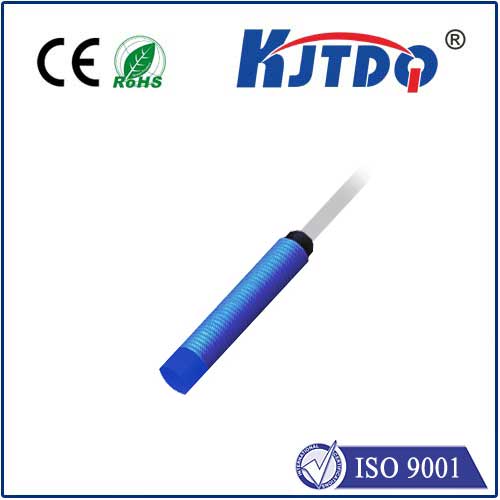
check

check

check

check

check

check
In the demanding world of industrial automation, where machinery operates under extreme pressures and in unforgiving conditions, sensor failure is not an option. It can lead to costly downtime, compromised safety, and significant production losses. This is where precision, durability, and reliability become non-negotiable. The TLX-30N15E1-C High Pressure Proximity Sensor emerges as a critical component engineered specifically to meet these rigorous challenges head-on. Designed for applications where standard sensors falter, this device represents a leap forward in sensing technology for high-pressure environments.
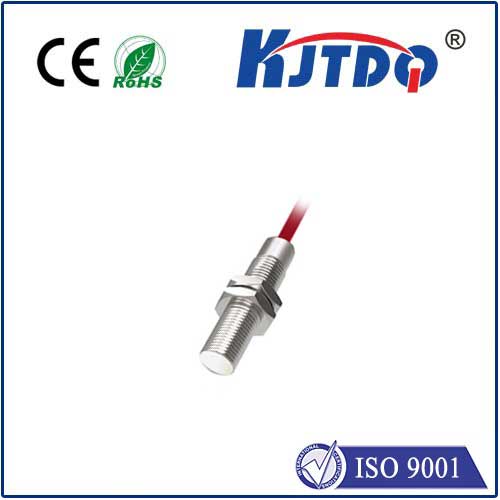
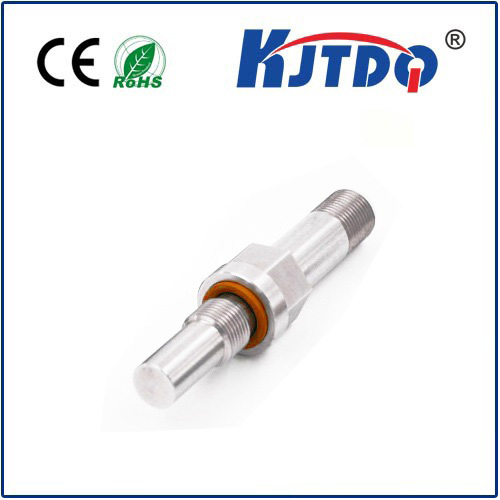
The core strength of the TLX-30N15E1-C lies in its exceptional construction and operational design. Unlike conventional proximity sensors, this model is built to withstand exceptionally high ambient pressures that would typically damage or disable lesser equipment. Its robust housing, often crafted from high-grade stainless steel or similarly resilient materials, provides an impervious seal against external forces. This ensures that the internal sensing mechanism—whether inductive, capacitive, or based on another principle—remains fully functional and accurate. The “C” in its model designation frequently indicates a particular configuration or output type, such as a complementary PNP/NPN or a specific connector style, offering flexibility for integration into diverse control systems. The sensor's ability to maintain a stable sensing distance and consistent switching point, even when submerged in hydraulic fluids or exposed to the intense pressures of die-casting, injection molding, or heavy press applications, is what sets it apart.
Operational reliability in harsh conditions is paramount. The TLX-30N15E1-C is typically rated for pressure resistance far exceeding standard industrial sensors. This makes it an ideal choice for use in hydraulic cylinders, high-pressure pumps, offshore equipment, and deep-sea machinery. Its design minimizes the risk of false triggers caused by pressure fluctuations or vibration, a common headache in dynamic industrial settings. The sensor delivers a clear, unambiguous signal to the programmable logic controller (PLC), ensuring that machine cycles proceed smoothly and safely. This reliability directly translates to enhanced operational efficiency, as it reduces the frequency of unplanned maintenance stops and sensor replacements. For engineers and plant managers, this means a lower total cost of ownership and greater peace of mind.
Integration and application of the TLX-30N15E1-C are streamlined for user convenience. Its compact form factor allows for installation in space-constrained locations near high-pressure actuators or valves. Many variants feature LED status indicators for quick diagnostics, allowing maintenance personnel to verify operation at a glance. Compatibility with common industrial voltages and output types ensures it can be seamlessly dropped into existing automation architectures without requiring major system overhauls. From monitoring piston position in a hydraulic press to detecting the presence of a component in a high-pressure washing station, its applications are vast and critical. It serves as the unseen guardian of process integrity, ensuring that every movement and position is confirmed before the next high-pressure sequence begins.
Ultimately, selecting the right sensor for high-pressure applications is a strategic decision impacting safety, productivity, and profitability. The TLX-30N15E1-C High Pressure Proximity Sensor is not merely a component; it is a dedicated solution built for endurance. It addresses the specific pain points of operating under extreme physical stress, offering a blend of ruggedness, precision, and longevity that standard sensors cannot match. For industries pushing the boundaries of manufacturing, energy, and heavy machinery, investing in such specialized sensing technology is an investment in uninterrupted operation and long-term asset protection. It stands as a testament to engineering focused on solving real-world industrial problems, ensuring that pressure, no matter how high, never becomes a point of failure.