check

check

check

check

check

check
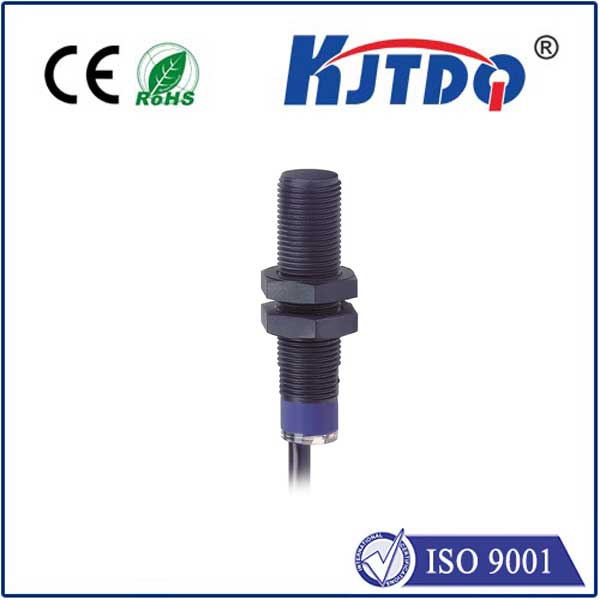
In the relentless world of industrial automation, where machinery operates under extreme pressures and within tight tolerances, the reliability of every component is non-negotiable. Sensor failure in a high-pressure environment isn't just an inconvenience; it can lead to catastrophic downtime, safety hazards, and significant financial loss. This is where precision engineering meets rugged durability, embodied in solutions like the KGG10P2BDC High Pressure Proximity Sensor. Designed to perform where others falter, this sensor represents a critical advancement in monitoring and control technology for challenging applications.
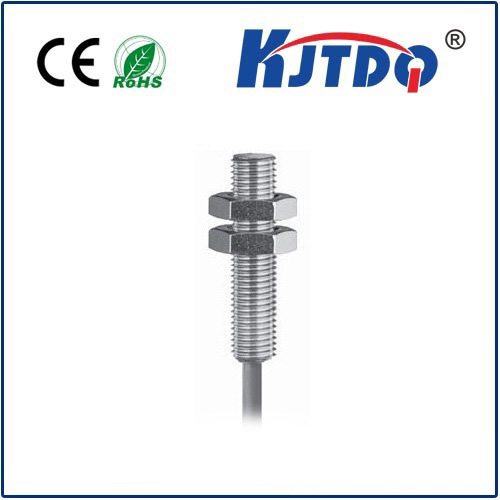
The core challenge in high-pressure systems—common in hydraulic presses, injection molding machines, die-casting, and offshore oil & gas equipment—is the constant assault of intense force on sensing components. Standard inductive proximity sensors often lack the structural integrity to withstand these conditions over the long term. The KGG10P2BDC is engineered from the ground up to address this specific vulnerability. Its housing is constructed from high-grade, pressure-resistant stainless steel, capable of withstanding the mechanical stresses encountered in pressurized chambers or fluid systems. This robust physical design ensures that the sensor body remains intact and hermetically sealed, preventing ingress of fluids or gases that could compromise its internal electronics.
Beyond mere survival, accuracy is paramount. The KGG10P2BDC utilizes a high-performance sensing element that delivers consistent and precise detection of metallic targets, even when mounted in close proximity to high-pressure zones. Its stable switching characteristics are minimally affected by ambient pressure fluctuations, temperature variations, or electromagnetic interference commonly found in industrial settings. This reliability translates to fewer false signals, reduced machine cycle errors, and a more predictable, efficient production process. For engineers and maintenance teams, this means a drastic reduction in unscheduled stoppages for sensor calibration or replacement.
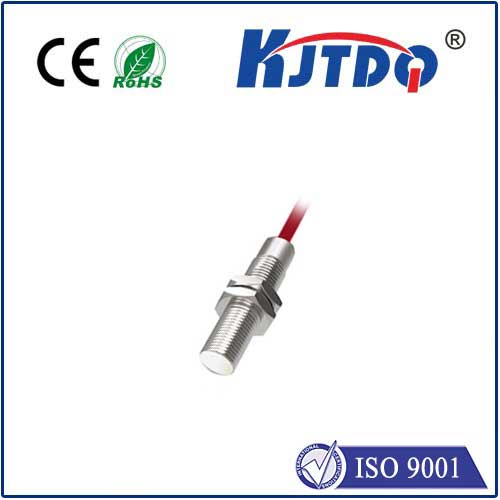
Installation and integration are streamlined for efficiency. The sensor features a compact, threaded barrel design that allows for easy mounting directly into pressurized ports or manifolds. Its PNP normally open (NO) configuration, indicated by the "BDC" suffix, provides a straightforward interface with most modern Programmable Logic Controllers (PLCs) and control systems. The integrated LED status indicator offers instant visual confirmation of operation and switching state, a simple yet invaluable feature for quick diagnostics during routine checks or troubleshooting. This user-centric design philosophy minimizes installation time and complexity, getting systems operational faster.
The application scope for the KGG10P2BDC is vast. In plastic injection molding, it reliably detects the position of the mold clamp or screw under immense tonnage pressure. Within hydraulic power units, it monitors piston position or valve spool movement, ensuring precise control of force and motion. In heavy-duty stamping and forging presses, it provides critical end-position detection for rams and slides. Its resilience also makes it suitable for subsea applications or any environment where equipment is exposed to pressurized fluids or gases. By providing a dependable digital signal in these harsh conditions, it forms the foundational layer for advanced automation, predictive maintenance, and Industry 4.0 data collection initiatives.
Choosing the right sensor for high-pressure applications is a strategic decision that impacts overall equipment effectiveness (OEE). Opting for a purpose-built sensor like the KGG10P2BDC mitigates risk and enhances system longevity. It represents an investment in uninterrupted productivity and operational safety. When specifying components for a new system or upgrading an existing one, considering the environmental extremes is crucial. The KGG10P2BDC High Pressure Proximity Sensor stands as a proven, robust choice for engineers who prioritize durability, precision, and long-term reliability in their most demanding automated processes, ensuring that pressure becomes a controlled variable, not a point of failure.