check

check

check

check

check

check
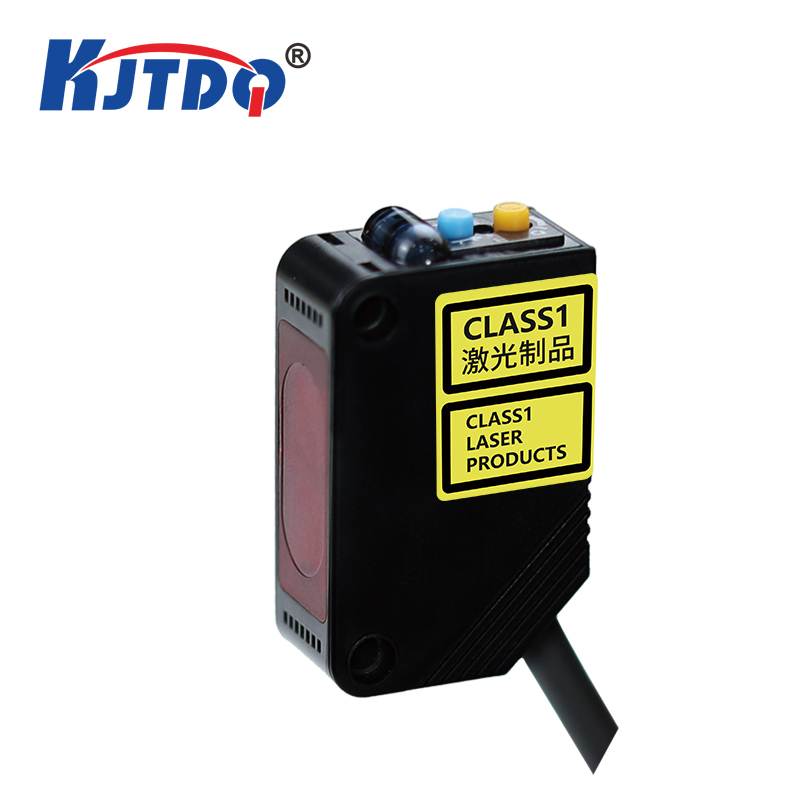
In the world of industrial automation and control systems, the reliability and precision of sensing components are non-negotiable. Among the myriad of options available, the LGGM20/40 photoelectric switch stands out as a cornerstone for countless applications requiring accurate object detection, positioning, and counting. This comprehensive guide delves into the core features, operational principles, and diverse applications of the LGGM20/40, providing essential insights for engineers, system integrators, and procurement specialists.
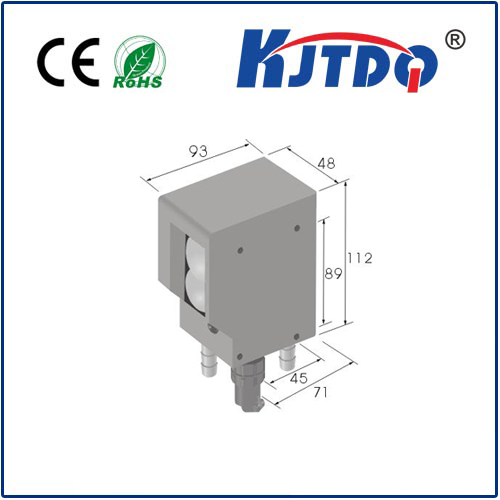
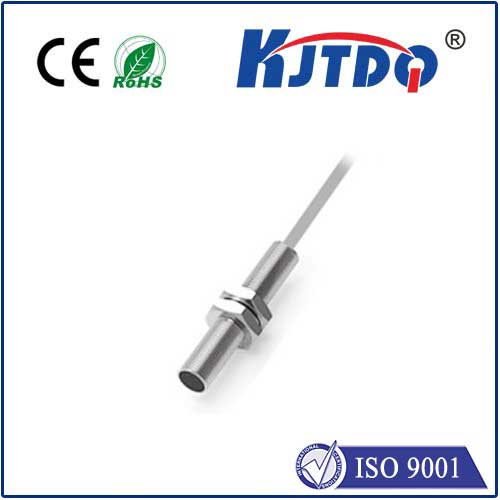
At its heart, the LGGM20/40 is a through-beam photoelectric sensor. This design consists of two separate units: a transmitter and a receiver. The transmitter emits a focused beam of light, typically infrared or visible red, which is then captured by the opposing receiver. An object is detected when it physically interrupts this light beam. This fundamental principle grants the LGGM20/40 series several inherent advantages. First and foremost is its exceptional sensing range. Models within this series can reliably detect objects over distances of 20 to 40 meters, a capability that makes them ideal for large-scale or demanding environments where other sensor types might fail. This long-range operation is achieved with high stability, minimizing false triggers caused by ambient light or environmental interference.
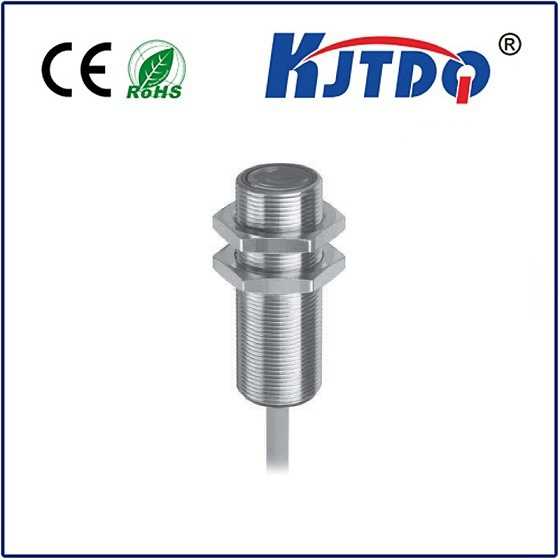
The robustness of the LGGM20/40 is another key selling point. Housed in a durable, typically metal or high-grade polymer casing, these switches are built to withstand the rigors of industrial settings. They offer significant resistance to dust, moisture, and vibration, often conforming to ingress protection ratings like IP67. This ensures consistent performance in challenging conditions such as manufacturing floors, material handling systems, and outdoor logistics hubs. The electrical output is usually in the form of a clean, switch-like signal (PNP or NPN transistor output), allowing for seamless integration with Programmable Logic Controllers (PLCs), relays, and other standard control circuitry.
When considering implementation, understanding the specific model variants is crucial. The "20" and "40" designations commonly refer to the sensing distance in meters. Choosing between them depends entirely on the application's physical layout. For instance, the LGGM20 might be perfectly suited for monitoring conveyor belts or automated assembly lines where the gap between sensor units is moderate. Conversely, the LGGM40 becomes indispensable for large warehouse door monitoring, long-spanning packaging machinery, or security perimeters where a wider detection zone is necessary. Many versions also offer adjustable sensitivity or a built-in timing function, adding layers of flexibility for complex detection tasks.
The practical applications for the LGGM20/40 photoelectric switch are vast and varied. In packaging and bottling plants, they are indispensable for precise bottle cap presence verification, case counting on high-speed lines, and ensuring proper product positioning before sealing. Within the automotive industry, these sensors play a critical role in robotic welding cells, ensuring component presence before a weld cycle begins, and in vehicle assembly for verifying door and panel alignment. They are equally vital in warehouse automation, where they control the flow of pallets, manage inventory by counting items on sortation systems, and provide safety beams for automated guided vehicles (AGVs). Furthermore, their reliability makes them a preferred choice for security systems, acting as invisible beams for intrusion detection in perimeter fencing or access control points.
Installation and alignment, while straightforward, require attention to detail for optimal performance. The transmitter and receiver must be precisely aligned so that the light beam is directly received at its maximum strength. Most units are equipped with visual indicators, such as LED lights, that signal both power status and the reception of the beam. This greatly simplifies the setup process. Regular maintenance is minimal but should include periodic lens cleaning to prevent the accumulation of dirt, grease, or debris that could attenuate the light signal and reduce sensing reliability. Ensuring stable power supply within the specified voltage range (commonly 10-30V DC) is also fundamental for long-term operation.
In comparison to other sensing technologies like inductive proximity sensors or ultrasonic sensors, the through-beam photoelectric switch offers unique benefits. It is unaffected by the color, material, or surface finish of the target object—it only needs to be opaque enough to break the beam. This makes it versatile for detecting plastics, wood, cardboard, and metals alike. While diffuse-reflective sensors have a simpler setup with only one unit, they generally offer shorter ranges and can be influenced by the object's reflectivity. The through-beam design of the LGGM20/40 provides the highest accuracy and consistency for long-distance applications.
In conclusion, the LGGM20/40 photoelectric switch series represents a blend of proven technology, rugged construction, and versatile performance. Its ability to deliver unwavering accuracy over extended distances in tough environments makes it a trusted component in modern industrial automation. By selecting the appropriate model for the required range and understanding its integration parameters, businesses can achieve enhanced efficiency, improved safety, and greater reliability in their automated processes. For any project demanding dependable long-range object detection, the LGGM20/40 remains a premier and logical choice.