check

check

check

check

check

check
In the intricate world of industrial automation, the reliability of a single component can dictate the efficiency of an entire production line. The ML100-55-G/95/103 photoelectric switch stands as a testament to this principle, engineered to deliver unparalleled precision and durability in the most demanding environments. This device is not merely a sensor; it is a critical node in the network of modern manufacturing, logistics, and packaging systems.
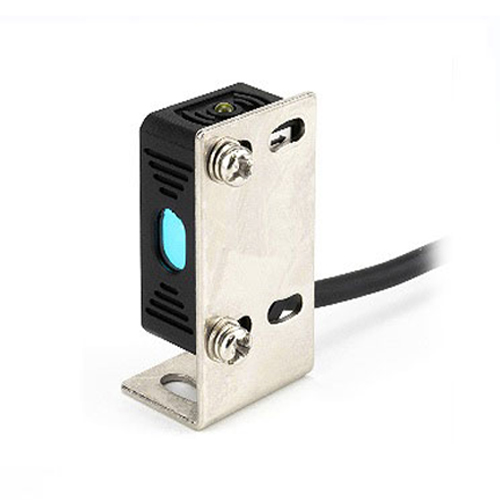
At its core, the ML100-55-G/95/103 utilizes a through-beam sensing method. This design features a physically separated transmitter and receiver. The transmitter emits a focused beam of light, typically infrared, which is then captured by the receiver unit. An object is detected when it interrupts this beam. This method is renowned for its long sensing range and high reliability, as it is less susceptible to interference from the object's color, reflectivity, or surface texture. The "95/103" in its designation often refers to key specifications, which may include a sensing distance of up to several meters and a robust housing rated for IP67 protection against dust and temporary immersion.
The operational advantages of this photoelectric switch are manifold. Its primary strength lies in consistent long-range detection. Whether monitoring the passage of large packages on a conveyor belt, ensuring precise positioning in automated storage and retrieval systems (AS/RS), or providing safety curtains for machinery, the ML100-55-G/95/103 performs with steadfast accuracy. The through-beam design minimizes false triggers, a common pitfall in environments filled with dust, steam, or varying light conditions that can plague reflective sensor types. This translates directly to reduced downtime and maintenance costs.
Durability is engineered into every aspect of its construction. Housed in a rugged, typically metallic or high-grade polymer casing, it withstands mechanical shocks, vibrations, and exposure to oils or coolants commonly found in industrial settings. The IP67 rating ensures it remains operational despite challenging environmental factors, making it suitable for food processing, automotive assembly, and outdoor logistics applications. Installation and alignment, while requiring careful initial setup for the separate units, are facilitated by built-in alignment indicators or audible signals on many models, simplifying integration into existing systems.
When compared to other sensing technologies like inductive proximity sensors or diffuse reflective photoelectric switches, the ML100-55-G/95/103 offers distinct benefits. Inductive sensors only detect metals, limiting their application. Diffuse sensors, which reflect light off the target object, have shorter ranges and can be affected by the object's color. The through-beam ML100-55-G/95/103 provides a superior solution for non-metallic object detection at a distance with high environmental immunity.
Real-world applications vividly demonstrate its value. In a bottling plant, these switches are deployed along the conveyor to count bottles accurately, ensuring each crate is filled correctly before sealing. Within an automotive paint shop, they verify the presence of car bodies on overhead conveyors, triggering sprayers at the exact moment. In warehouse automation, they form invisible grids that track parcel movement, enabling seamless sorting and routing. Each instance relies on the switch's unwavering ability to detect without physical contact, preventing product damage and ensuring smooth workflow.
Selecting the right photoelectric switch involves analyzing specific needs. The ML100-55-G/95/103 is ideal for applications requiring detection across a gap, such as on conveyor entry/exit points, door monitoring, or safety interlocking. Factors to consider include the required sensing distance, the size and material of the target objects, ambient light conditions, and the necessary response speed. Its fixed cable or connector variants offer flexibility for different electrical cabinet designs.
For optimal performance and longevity, correct installation is paramount. The transmitter and receiver must be securely mounted and precisely aligned to ensure the beam is uninterrupted in the "clear" state. Regular maintenance should involve cleaning the lenses with a soft cloth to prevent buildup of grime that could attenuate the light signal. Periodically checking the alignment, especially in high-vibration areas, ensures continued reliable operation.
The ML100-55-G/95/103 photoelectric switch represents a mature yet vital technology in automation. Its design prioritizes functional reliability over complexity, delivering a robust detection solution that forms the silent, watchful eyes of industry. For engineers and system integrators seeking a dependable component for critical detection tasks, this device offers a proven balance of range, resilience, and precision, contributing directly to enhanced operational efficiency and system uptime.