check

check

check

check

check

check
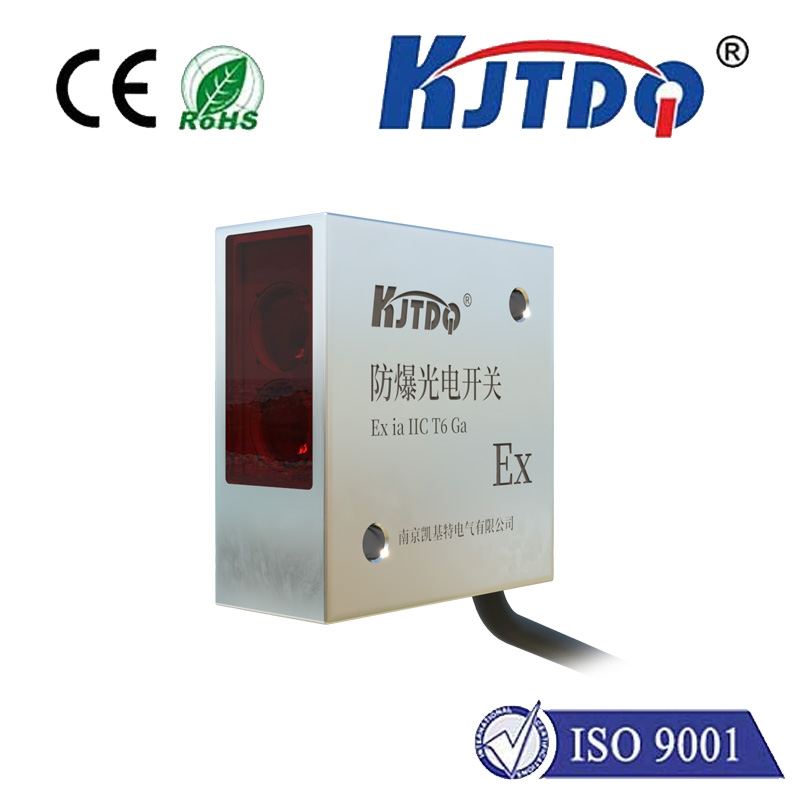
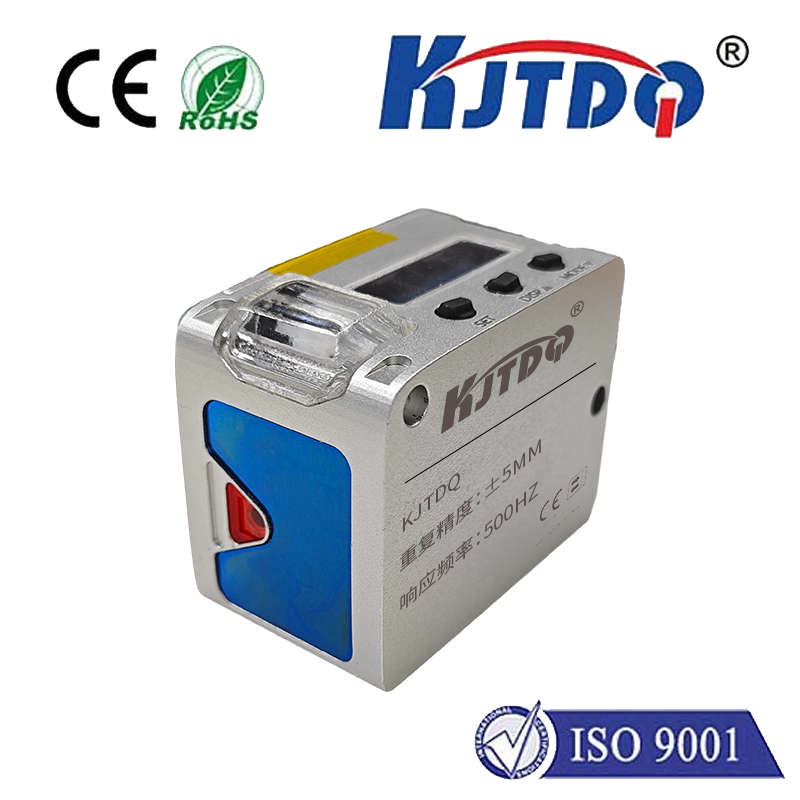
In the world of industrial automation and control systems, the reliability and accuracy of sensing components are paramount. Among the myriad of options available, the BR4M-TDTL1 photoelectric switch stands out as a sophisticated solution designed for demanding applications. This comprehensive guide delves into the features, working principles, and practical uses of this advanced sensor, providing valuable insights for engineers, technicians, and procurement specialists.
The BR4M-TDTL1 is a type of through-beam photoelectric sensor. Its core operation relies on a transmitter and a receiver housed in separate units. The transmitter emits a focused beam of light, typically infrared or red visible light, which is then detected by the receiver unit positioned opposite it. An object is sensed when it interrupts this light beam. This through-beam design is renowned for offering the longest sensing ranges and highest levels of reliability among photoelectric sensing methods, as it is less susceptible to environmental factors like target color, reflectivity, or surface finish.
A key strength of the BR4M-TDTL1 lies in its robust construction. Engineered for industrial environments, it often features a rugged housing made from materials like nickel-plated brass or stainless steel, providing excellent resistance to physical impact, moisture, and chemicals. Many models come with an IP67 or higher ingress protection rating, making them suitable for use in washdown areas or outdoor settings where dust and water exposure are concerns. The internal electronics are designed for stable operation across a wide temperature range, ensuring consistent performance from freezing cold to intense heat.
The technical specifications of the BR4M-TDTL1 are tailored for precision. It typically operates on a standard DC voltage range, such as 10-30V DC, and provides both NPN (sinking) and PNP (sourcing) output configurations to seamlessly integrate with various programmable logic controllers (PLCs) and control circuits. Its response time is exceptionally fast, often in the microsecond range, allowing it to detect objects on high-speed production lines without missing a beat. The sensing range can vary by model but is generally substantial for a through-beam sensor, sometimes reaching several meters, providing flexibility in machine design and layout.
Practical applications for the BR4M-TDTL1 photoelectric switch are vast and span across multiple industries. In packaging machinery, it is indispensable for detecting the presence or absence of products on a conveyor belt, triggering actions like filling, capping, or labeling. Within the automotive assembly sector, these sensors ensure precise positioning of components for robotic arms. They are crucial in material handling for counting objects, monitoring stack heights, and ensuring safety by detecting personnel in restricted zones. Furthermore, in the food and beverage industry, their sealed construction allows them to function reliably in hygienic processing lines.
Installation and alignment are critical steps for optimal performance. Since the BR4M-TDTL1 uses two separate units, careful mounting is required to ensure the light beam is perfectly aligned from the transmitter to the receiver. Many units are equipped with alignment indicators, such as LED lights that change color or brightness when the beam is properly received. This feature significantly simplifies setup and troubleshooting. Regular maintenance involves keeping the lenses clean from dust, grease, or debris that could attenuate the light signal, and periodically checking the mounting stability to prevent misalignment from vibration.
When selecting a photoelectric switch like the BR4M-TDTL1 for a specific project, several factors must be considered. The operating environment is primary; one must assess the need for chemical resistance, temperature tolerance, and waterproofing. The nature of the target object—its size, material, and the required sensing distance—will determine if a through-beam model is the best choice over diffuse-reflective or retro-reflective types. Electrical compatibility with the existing control system is also essential. Consulting the manufacturer's detailed datasheet is always recommended to verify all parameters.
In conclusion, the BR4M-TDTL1 photoelectric switch represents a blend of durability, precision, and versatility. Its through-beam sensing principle provides unmatched reliability for object detection in challenging industrial settings. By understanding its capabilities and proper application guidelines, professionals can leverage this technology to enhance automation efficiency, improve safety protocols, and ensure seamless production flow. As automation continues to evolve, robust and intelligent sensors like the BR4M-TDTL1 will remain fundamental components in building the smart factories of today and tomorrow.