check

check

check

check

check

check
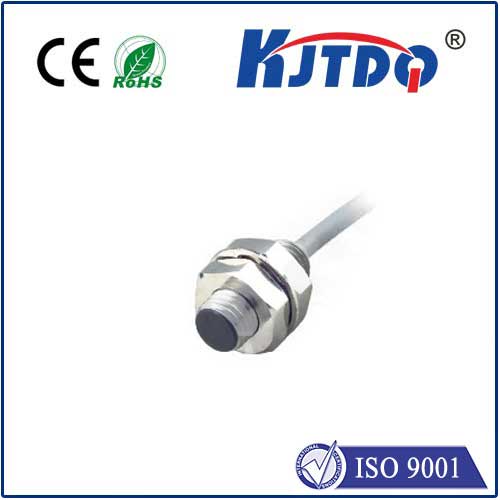
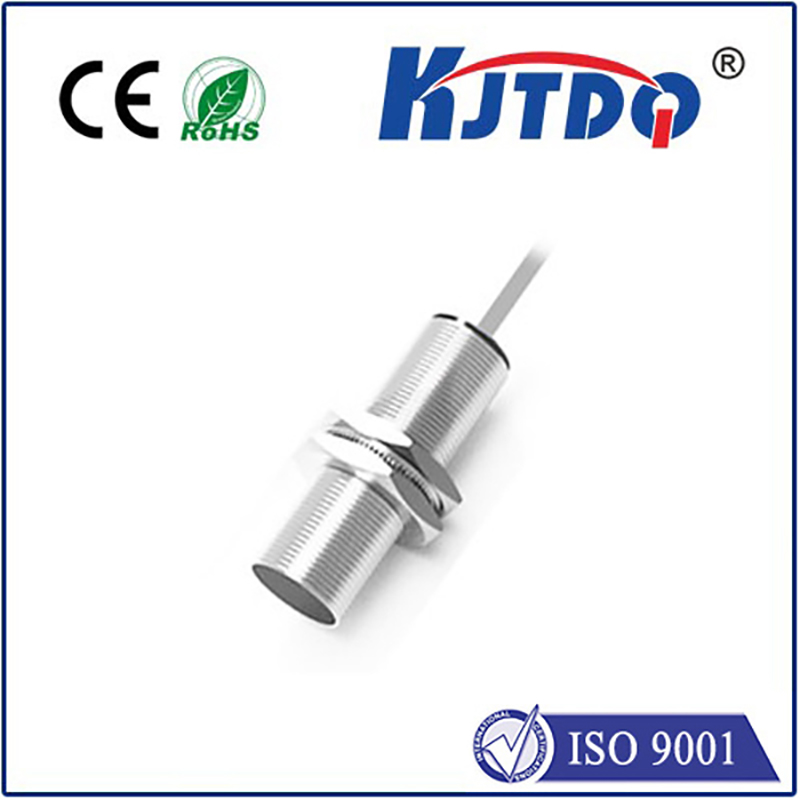
In the world of industrial automation, precision and reliability are non-negotiable. The E3FA-DN12 photoelectric switch stands as a testament to this principle, offering a robust sensing solution for countless applications. This compact device, often categorized under the diffuse-reflective sensor type, is engineered to detect objects without physical contact, ensuring longevity and minimal maintenance. Its DN12 designation typically refers to its cylindrical housing with a 12mm diameter, a common form factor for space-constrained installations.
The core technology behind the E3FA-DN12 involves emitting a beam of light, usually from an LED, and analyzing the reflection. When an object enters its sensing range, it reflects the light back to the sensor's receiver. The built-in circuitry then processes this signal to trigger an output. This simple yet effective mechanism makes it ideal for tasks like object detection on conveyor belts, counting items, verifying part presence in assembly lines, or controlling positioning.
One of the key advantages of the E3FA-DN12 is its versatility. It can detect a wide variety of materials, from metallic components to plastic packages and even transparent glass or films, depending on the specific model's tuning and light source. Modern versions often feature a red or laser light source for a visible beam, simplifying alignment during setup. The sensing distance for diffuse sensors like this model is fixed and relatively short, typically in the range of a few centimeters to a meter, which is perfect for precise, close-range detection.
Durability is another hallmark. Housed in a sturdy casing, these sensors are built to withstand the harsh conditions of industrial environments. Many are rated with high Ingress Protection (IP) codes, such as IP67, making them resistant to dust and temporary immersion in water. This resilience ensures consistent performance in settings like packaging machinery, automotive manufacturing, and material handling systems, where exposure to vibration, moisture, and debris is common.
Installation and integration are straightforward. The E3FA-DN12 typically comes with pre-wired cables or connector options for easy wiring into control systems like PLCs (Programmable Logic Controllers). Its output is usually in the form of a digital signal—either NPN (sinking) or PNP (sourcing)—compatible with standard industrial electronics. Many models also feature a built-in indicator LED that shows both power status and output activation, providing immediate visual feedback for troubleshooting.
When selecting a photoelectric switch, understanding the application's specific needs is crucial. The E3FA-DN12 diffuse type is excellent for general-purpose detection where the background is distant or non-reflective. However, for applications requiring detection of very small objects or precise positioning, a through-beam or retro-reflective model might be considered. For challenging surfaces, like shiny or dark materials, sensors with background suppression technology can offer better performance.
Regular maintenance, though minimal, involves keeping the lens clean from obstructions like dust or oil buildup to ensure optimal light transmission. Proper alignment is also critical; even a slight misalignment can lead to unreliable detection. Following the manufacturer's guidelines for operating voltage, temperature ranges, and load connections will guarantee the sensor operates within its specified parameters, maximizing its service life.
In conclusion, the E3FA-DN12 photoelectric switch represents a fundamental component in automation. Its blend of simple operation, rugged design, and reliable performance makes it a go-to choice for engineers and technicians worldwide. By providing accurate, non-contact detection, it enhances efficiency, safety, and productivity across diverse industries, from food processing to electronics manufacturing. Understanding its capabilities and proper application is key to leveraging its full potential in any automated system.